Best Brooder Heat Plates 2026: Safe Warmth for Chicks
Compare 6 of the best brooder heat plates for 2026, safer than heat lamps, with sizing by chick count, height adjustment, and how to brood chicks correctly.
Few upgrades make raising chicks safer and calmer than swapping a heat lamp for a brooder heat plate. A plate warms chicks directly, the way a mother hen would, instead of cooking the whole room, so it uses a fraction of the electricity and removes the fire risk that makes heat lamps the leading cause of coop and barn fires. Chicks duck under it when cold and wander out when warm, resting in natural darkness at night. The result is healthier chicks and far more peace of mind for you.
We compared popular brooder heat plates using manufacturer specifications, chick capacity, height adjustment, wattage, and the recurring themes in verified owner reviews. We did not brood chicks under each one ourselves. Instead we weighed the features that matter most for new chicks: safe low-temperature warmth, the right capacity, adjustable height to follow growth, and energy efficiency. Below are six heat plates we recommend, a comparison table, and guidance for brooding chicks the right way.
Best Brooder Heat Plates 2026

RentACoop 12x12 Adjustable Heating Plate
Adjustable heat plate for up to 20 chicks with a bonus foldable anti-roost cone, a proven favorite.

Brinsea EcoGlow Safety 600 Brooder
Energy-efficient 12-watt brooder plate for up to 20 chicks from a trusted incubation brand.

ZenxyHoC 10-Inch Brooder Plate, Anti-Roost
Compact 10-inch heat plate with an anti-roost cone for small batches of chicks.

Sindarhor Brooder Plate, 3 Heat Levels
Adjustable-height plate with three temperature levels for chicks and ducklings on a budget.

RentACoop 10x10 Adjustable Heating Plate
Adjustable heat plate for up to 15 chicks with a bonus anti-roost cone, from a trusted brand.
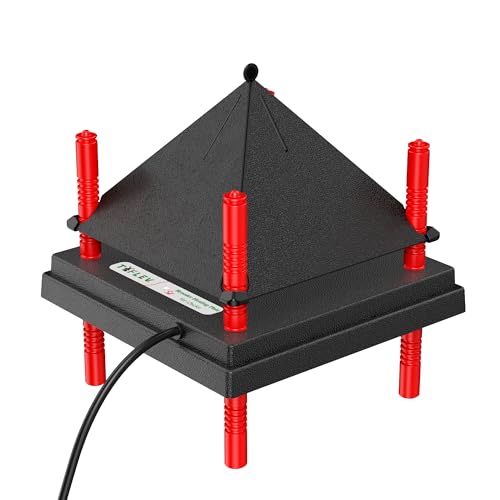
Tiflev Chick Brooder Heating Plate
Budget adjustable-height brooder plate with an anti-stand cone for small starter flocks.
How Do These Heat Plates Compare?
| Heat Plate | Price | Size | Chick Capacity | Best For |
|---|---|---|---|---|
| RentACoop 12x12 | $60 | 12x12 in | Up to 20 | Best overall |
| Brinsea EcoGlow 600 | $62 | Large | Up to 20 | Trusted brand, efficient |
| ZenxyHoC 10" | $27 | 10x10 in | Small batch | Budget small flocks |
| Sindarhor 3-level | $29 | Adjustable | Small batch | Chicks and ducklings |
| RentACoop 10x10 | $50 | 10x10 in | Up to 15 | Mid-size batches |
| Tiflev plate | $25 | Adjustable | Small batch | Cheapest starter |
How We Picked These Heat Plates
We did not brood chicks under each plate ourselves. Instead we compared manufacturer specifications, chick capacity, height adjustment, wattage, and the consistent patterns in verified owner reviews, then judged them against what keeps chicks warm, safe, and growing well. We weighted four factors most heavily. First, safe low-temperature warmth that removes the fire risk of heat lamps. Second, appropriate capacity, sizing up rather than crowding. Third, adjustable height so the plate follows chicks as they grow and feather out. Fourth, energy efficiency, since plates use far less power than lamps. Brand track record and value rounded out the picture.
A Closer Look at Each Heat Plate
RentACoop 12x12 Adjustable Heating Plate
Our top overall pick is a backyard favorite, a 12 by 12 inch plate rated for up to 20 chicks with adjustable legs and a bonus anti-roost cone that stops chicks from perching and pooping on top. The generous size means a full batch fits comfortably under it through that critical first week, and the height adjusts easily as they grow. It runs cool and efficient compared with a lamp. For most keepers raising a typical batch of chicks, this is the dependable, well-rounded choice.
Pros: Roomy 20-chick capacity, adjustable height, anti-roost cone, proven reputation.
Cons: Larger plate needs adequate brooder space; mid-range price.
Brinsea EcoGlow Safety 600
From a trusted name in incubation, this energy-sipping plate uses just 12 watts to warm up to 20 chicks, making it one of the most efficient options here. Brinsea's reputation for quality and safety gives extra confidence for first-time brooders. The low wattage keeps running costs minimal across the brooding weeks, and the safety-focused design reflects the brand's incubation pedigree. It is an excellent pick for keepers who want a premium, ultra-efficient plate from a maker known specifically for hatching and raising chicks.
Pros: Very low 12-watt draw, trusted brand, up to 20 chicks, safety-focused.
Cons: Premium pricing; confirm height range suits your brooder.
ZenxyHoC 10-Inch Brooder Plate
For small batches on a budget, this compact 10-inch plate covers the essentials with an anti-roost cone to keep the top clean. It suits keepers raising a handful of chicks who do not need a large plate, delivering safe, lamp-free warmth at a low price. The smaller surface means fewer chicks, so size up if you have a big batch. For a first small flock or a backup plate, it is an affordable, sensible way to brood chicks safely.
Pros: Low price, anti-roost cone, lamp-free safety, good for small batches.
Cons: Limited capacity; not for large groups of chicks.
Sindarhor Brooder Plate, 3 Heat Levels
This budget plate adds three adjustable temperature levels alongside height adjustment, giving extra control as chicks grow. It works for ducklings as well as chicks, a plus for mixed broods, and the multiple settings help fine-tune warmth through the weaning weeks. The capacity suits small batches, so size up for larger groups. For keepers who want a little more adjustability than a basic plate without spending much, it is a flexible, affordable option for raising young poultry safely.
Pros: Three heat levels, adjustable height, works for ducklings, affordable.
Cons: Smaller capacity; lesser-known brand.
RentACoop 10x10 Adjustable Heating Plate
The smaller sibling of our top pick, this 10 by 10 inch plate handles up to 15 chicks with the same adjustable legs and bonus anti-roost cone from a trusted brand. It is ideal for mid-size batches where the 12-inch plate would be more than you need. You get the same quality and easy height adjustment in a more compact, slightly cheaper package. For keepers raising a moderate number of chicks, it hits a sweet spot of capacity, quality, and price.
Pros: Up to 15 chicks, adjustable, anti-roost cone, trusted brand.
Cons: Smaller than the 12-inch model; still mid-range price.
Tiflev Chick Brooder Heating Plate
The most affordable plate here delivers adjustable-height, lamp-free warmth with an anti-stand cone to keep chicks off the top. It is a sensible cheapest-entry option for small starter flocks or keepers trying a heat plate for the first time without much spend. Capacity suits small batches, so plan to size up for bigger groups. For a budget-minded first brood, it covers the core job of safe, controllable chick warmth at a price that is easy to justify.
Pros: Lowest price, adjustable height, anti-stand cone, lamp-free safety.
Cons: Small capacity; basic feature set and lesser-known brand.
Brooding Chicks the Right Way
- Start warm, then step down. Aim for about 95 F in week one and reduce roughly 5 F each week.
- Set plate height, not air temp. Lower the plate so chicks just fit under it, raising it as they grow.
- Read the chicks. Huddling means too cold, scattering to the edges means too warm, even spread is just right.
- Size up, do not crowd. Every chick must reach the warm zone, so pick a plate rated above your chick count.
- Brood draft-free. Heat plates warm chicks directly, so keep the brooder out of cold drafts.
A heat plate keeps chicks safe and comfortable, but daily attention matters most in those first weeks. Watch for pasty butt, chilled or piling chicks, and signs of illness, and always provide fresh water and chick starter feed. For sick chicks, high losses, or anything that worries you, consult a poultry veterinarian or local extension office. This guide is educational and complements that hands-on care.
Backyard Chicken Keepers Planner
Track your chicken's health, meds, vet visits, mobility, nutrition, and quality of life, all in one printable planner.
Related Chicken-Keeping Guides
Reviewed in detail
If you have narrowed the decision to one product, we go through it in detail here: RentACoop heating plate review, Sweeter Heater OH11x40 review and Rubbermaid 100 gallon stock tank brooder review.
Editor's Pick · Affiliate link
An Automatic Coop Door, the Upgrade Keepers Regret Waiting On
Nearly every predator loss happens because a door was open at dusk or dawn. An automatic opener closes on a light sensor or timer whether or not you are home, which is the single biggest reduction in risk available to a small flock.
Frequently Asked Questions
What is a brooder heat plate and why use one?
A brooder heat plate is a flat, adjustable-height heater that chicks huddle under for warmth, mimicking the way they would shelter beneath a mother hen. Unlike a heat lamp, it warms the chicks directly rather than the whole room, uses far less electricity, and poses much less fire risk. Chicks move in and out as they need heat, which helps them self-regulate and follow a natural day-night rhythm. For these reasons many keepers and poultry-extension sources now recommend heat plates over traditional heat lamps for brooding.
Are heat plates safer than heat lamps for chicks?
Generally yes. Heat lamps are a leading cause of barn and coop fires because the bulb runs extremely hot and can ignite bedding if it falls or sits too close. Heat plates run at a low surface temperature, use a fraction of the wattage, and have no exposed bulb, so the fire risk is dramatically lower. They also avoid the constant bright light of a lamp, letting chicks rest in darkness at night. The main caveat is that very cold rooms can challenge a plate, so brood in a draft-free space.
What temperature do chicks need under a heat plate?
Chicks need about 95 degrees Fahrenheit in their warm zone in the first week, then roughly 5 degrees less each week until they are feathered and acclimated to room temperature around five to six weeks. With a heat plate you set the plate height rather than chasing an air temperature, lowering it so chicks just fit under it and raising it as they grow. The chicks themselves are the best gauge: pile under it and they are cold, avoid it and they are too warm, spread evenly and it is just right.
How many chicks fit under a brooder heat plate?
Capacity depends on plate size. A 10 by 10 inch plate typically suits up to around 15 chicks, while a 12 by 12 inch plate handles roughly 20, with the exact number dropping as chicks grow and need more room underneath. It is better to size up than to crowd, since chicks shut out from the heat can chill. Always pick a plate rated for at least as many chicks as you have, and watch that every chick can get under it comfortably during the first cold week.
How high should I set a brooder heat plate?
Start with the plate low enough that day-old chicks can stand under it with the warm surface just touching their backs, which lets them absorb heat the way they would under a hen. Most plates have adjustable legs for this. As the chicks grow and feather out, raise the plate every few days so they still fit but get a little cooler, gradually weaning them off heat by five to six weeks. Watch their behavior and adjust: huddling means too low and cold, avoiding it means too high or warm.
When can chicks come off heat entirely?
Most chicks are ready to leave supplemental heat at around five to six weeks, once they are fully feathered and the brooder or coop temperature stays comfortable, generally when nights are above the mid-60s Fahrenheit. Raise the heat plate gradually over those weeks so the transition is slow rather than sudden. Move them to the coop only after they are feathered and acclimated, and harden them off to outdoor temperatures over a few days. Going by feathering and behavior is more reliable than a fixed calendar date alone.
Need more help with your flock?
Browse our guides by topic to find practical solutions.
Wellness Planner: $39