Best Chicken Waterers 2026: Clean Water for Your Flock
Compare 6 of the best chicken waterers for 2026, from float-controlled fonts to nipple buckets and cup systems, with sizing tips and how to keep water clean.
Clean water is the quiet engine of a productive flock. An egg is roughly three-quarters water, so a hen that runs short or refuses dirty water will stop laying fast, and dehydration in summer heat can turn dangerous within hours. Yet water is also the easiest thing in the coop to get wrong, since open fonts foul quickly with droppings and bedding. The fix is usually a closed nipple or cup system, or a float-controlled font that keeps a steady, clean supply with far less daily fuss.
We compared popular chicken waterers using manufacturer specifications, capacity, delivery design, materials, and the recurring themes in verified owner reviews. We did not run a long-term cleanliness trial ourselves. Instead we weighed the features that matter most for a backyard flock: clean water that birds cannot foul, enough capacity for hot days, freeze and algae resistance, and easy refilling. Below are six waterers we recommend, a comparison table, and guidance for choosing and placing one.
Best Chicken Waterers 2026

Fvlotrik 3 Gallon Float-Control Waterer
Hands-free float-controlled waterer that keeps a steady, clean level and reduces daily refilling.

Omlet Insulated Stay-Clean Waterer, 3 Gal
Premium insulated automatic dispenser that keeps water clean and cooler through the day.

Lilyang Float-Control Hanging Waterer
Hanging or standing float-control waterer with a clean, no-mess design at a fair price.
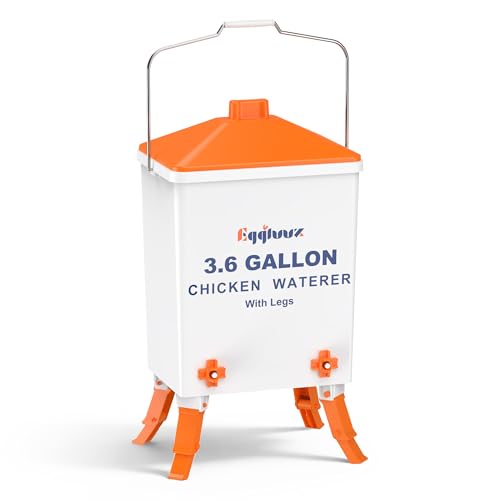
Eggluuz 3.6 Gallon Nipple Bucket Waterer
Closed bucket with water nipples and adjustable legs, very clean and easy to refill.

Canvino PVC Pipeline Watering System
Complete 45-piece PVC nipple system for whole-coop watering across multiple drinking points.
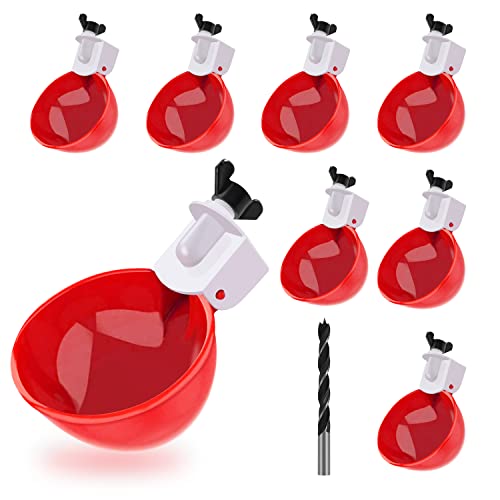
Darcvds Chicken Water Cups, 8 Pack
Budget cup waterers with tee fittings to build a clean DIY drinking system on a bucket or pipe.
How Do These Waterers Compare?
| Waterer | Price | Type | Capacity | Best For |
|---|---|---|---|---|
| Fvlotrik float | $40 | Float font | 3 gal | Best overall value |
| Omlet insulated | $100 | Insulated font | 3 gal | Cleanest, hot climates |
| Lilyang float | $32 | Float font | Medium | Hanging or standing |
| Eggluuz nipple bucket | $29 | Nipple bucket | 3.6 gal | Cleanest closed system |
| Canvino PVC kit | $46 | PVC nipple system | Your reservoir | Whole-coop watering |
| Darcvds cups | $9 | DIY cups | Your bucket | Cheapest DIY build |
How We Picked These Waterers
We did not run a hands-on cleanliness or freeze test. Instead we compared manufacturer specifications, delivery design, capacity, materials, and the consistent patterns in verified owner reviews, then judged them against what keeps a flock hydrated with clean water and minimal effort. We weighted four factors most heavily. First, cleanliness, strongly favoring closed nipple and cup systems birds cannot foul. Second, enough capacity for hot days, when intake can double. Third, low-maintenance refilling and algae resistance. Fourth, durability outdoors. Price and ease of setup rounded out the picture, with DIY kits earning points for scaling cheaply to larger flocks.
A Closer Look at Each Waterer
Fvlotrik 3 Gallon Float-Control Waterer
Our top overall pick keeps a steady water level automatically thanks to a float valve, so the font refills as birds drink and you spend far less time topping it up. The 3-gallon capacity covers a small to medium flock for a couple of days, and the design keeps water cleaner than a basic open font. It is a strong value for hands-off hydration. Place it in the shade, rinse it regularly, and your flock has reliable water with minimal daily attention.
Pros: Hands-free float control, good capacity, less refilling, great value.
Cons: Open drinking surface still needs periodic cleaning; not freeze-proof.
Omlet Insulated Stay-Clean Waterer
This premium automatic waterer adds insulation to keep water cooler through hot afternoons and cleaner overall, which matters most in warm climates where algae and heat-stressed birds are real concerns. The stay-clean design resists the fouling that plagues open fonts. It is the priciest pick here, so it suits keepers who want top hygiene and temperature control. The 3-gallon capacity serves a small to medium flock, and the build quality is meant for years of outdoor use.
Pros: Insulated and cooler water, stay-clean design, durable, premium build.
Cons: Expensive; capacity is moderate for large flocks.
Lilyang Float-Control Hanging Waterer
This float-controlled waterer hangs or stands, giving you flexibility to mount it at the right height to keep bedding and droppings out. The float keeps a consistent level with minimal refilling, and the no-mess design is easy to live with. It is a budget-friendly take on automatic watering for a small to medium flock. As with any float font, give the basin a regular rinse and place it in the shade to slow algae during the warm months.
Pros: Float control, hang or stand options, affordable, low mess.
Cons: Open basin needs routine cleaning; medium capacity.
Eggluuz 3.6 Gallon Nipple Bucket Waterer
For the cleanest water with the least scrubbing, this closed bucket with water nipples is hard to beat. Birds peck a nipple to drink, so droppings and bedding never reach the supply, and the 3.6-gallon capacity with adjustable legs suits a range of flock sizes. An anti-roost feature helps keep the lid clean. New birds may take a day to learn the nipples, but once they do, you get consistently fresh water and far less daily maintenance than any open font.
Pros: Sealed, very clean, good capacity, adjustable legs, anti-roost.
Cons: Birds need a short learning period; nipples can drip if knocked.
Canvino PVC Pipeline Watering System
For larger coops, this 45-piece PVC nipple system distributes water across multiple drinking points from a single reservoir, so even a sizable flock always has access. It takes more setup than a standalone font, but the payoff is clean, sealed water and fewer crowding squabbles. You connect it to your own bucket or barrel and size the line to your space. A great fit for keepers running bigger flocks who want a permanent, low-contamination watering line.
Pros: Multiple clean drinking points, scalable, sealed system, good for big flocks.
Cons: More assembly; you supply the reservoir and mounting.
Darcvds Chicken Water Cups, 8 Pack
The most affordable option here lets you build a clean DIY cup system on a bucket or pipe using included tee fittings. The cups refill as birds drink, keeping water sealed away from contamination at a fraction of the cost of a finished waterer. It is perfect for tinkerers and large flocks where buying multiple complete units adds up. You supply the bucket and a little assembly, and you end up with a clean, scalable watering setup for very little money.
Pros: Extremely cheap, clean cup design, scalable, tee fittings included.
Cons: Requires DIY assembly; you provide the bucket or pipe.
Getting the Most From a Chicken Waterer
- Go closed where you can. Nipple and cup systems stay cleanest because birds cannot foul the supply.
- Place it in the shade. Cooler water slows algae and helps the flock through summer heat.
- Set the right height. Raise open fonts to back height to keep scratched litter and droppings out.
- Provide backups. Offer a second source for medium and large flocks so timid hens always have access.
- Keep water out of the coop. Watering in the run reduces overnight humidity and ammonia buildup.
Reliable water keeps your flock laying and healthy, but watch for trouble: a hen that stops drinking, panting in heat, or sudden drops in laying all warrant attention. In freezing weather, switch to a heated waterer so the supply never ices over. For illness or persistent appetite and intake changes, consult a poultry veterinarian or local extension office. This guide is educational and complements that everyday care.
Backyard Chicken Keepers Planner
Track your chicken's health, meds, vet visits, mobility, nutrition, and quality of life, all in one printable planner.
Related Chicken-Keeping Guides
Reviewed in detail
For a full look at one specific option, see Premier 1 heated poultry waterer review.
Editor's Pick · Affiliate link
An Automatic Coop Door, the Upgrade Keepers Regret Waiting On
Nearly every predator loss happens because a door was open at dusk or dawn. An automatic opener closes on a light sensor or timer whether or not you are home, which is the single biggest reduction in risk available to a small flock.
Frequently Asked Questions
How much water do chickens need each day?
A standard laying hen drinks roughly half a liter to a full liter of water a day, and far more in hot weather, when intake can double. Water is even more critical than feed for laying, since an egg is about 75 percent water and a hen that runs short will quickly stop laying. Always provide more capacity than the minimum so the flock never runs dry, and place waterers in the shade in summer. Clean, cool, constantly available water is one of the simplest keys to a productive flock.
What is the best type of chicken waterer?
Closed systems that deliver clean water on demand, such as nipple or cup waterers fed from a bucket, stay the cleanest because birds cannot foul them with droppings, dirt, or bedding. Float-controlled automatic waterers keep a steady level and reduce refilling. Open fonts are simple and cheap but get dirty fast and need frequent scrubbing. For most backyard flocks, a nipple bucket or float-fed waterer offers the best mix of cleanliness, low maintenance, and reliable supply throughout the day.
How do I keep chicken water clean?
Switch to a closed nipple or cup system so birds drink without standing over or stepping in the water, which is the main source of contamination. Raise any open font to back height to keep out scratched-up litter and droppings. Place waterers in the shade to slow algae, rinse and refill every day or two, and scrub weekly. In summer, algae grows fast, so clean more often. Closed systems dramatically cut cleaning time and give your flock consistently fresh water with far less effort.
How do nipple and cup waterers work?
Both connect to a reservoir, usually a bucket or pipe, and release water only when a bird interacts with them. A nipple has a small metal pin a chicken pecks to get a drop at a time, while a cup uses a little lever or float so the cup refills as the bird drinks. Because the water stays sealed in the reservoir until the moment of drinking, it stays clean and cool. Chickens learn both quickly, though new birds may need a day or two and a gentle demonstration.
Where should I put a chicken waterer?
Place waterers in a shaded spot to keep the water cool and slow algae, and set them at the birds' back height to reduce contamination from scratched bedding. Many keepers keep water in the run rather than the coop, since spills add humidity that can cause respiratory problems and ammonia buildup overnight. Provide more than one water source for larger flocks so lower-ranking hens always have access. Keep the area well drained so the ground around the waterer does not turn to mud.
How many waterers do I need for my flock?
Provide enough capacity that the flock never empties it between checks, plus a second source for groups beyond a handful of birds so timid hens are not blocked. A rough guide is one drinking point, such as a nipple or cup, for every three to four birds, and at least two separate waterers for medium and large flocks. Redundancy matters because a hen that cannot reach water in summer heat is at real risk. More access points also reduce squabbling around a single station.
Need more help with your flock?
Browse our guides by topic to find practical solutions.
Wellness Planner: $39