Best Chicken Coop Bedding 2026: Dry, Low-Dust Coops
Compare 6 of the best chicken coop bedding options for 2026, from absorbent hemp to nesting pads, with dust, odor, deep-litter, and composting guidance.
Bedding is the foundation of a clean, healthy coop, soaking up droppings and moisture, controlling odor, and giving your flock a comfortable surface to walk, scratch, and dust-bathe on. The right bedding keeps ammonia down, dust low, and cleaning manageable, all of which protect your chickens' sensitive respiratory systems. Get it right and the coop stays fresh between cleanings. Get it wrong, with dusty or poorly absorbent material, and you battle smell, dampness, and the health problems that come with a dirty environment.
We compared popular coop bedding using absorbency, dust level, odor control, material and sustainability, value, and the recurring themes in verified owner reviews. We did not bed our own coop with these. Instead we weighed the features that matter most: high absorbency to keep the coop dry, low dust for respiratory health, effective odor control, and suitability for methods like deep litter and composting. Below are six options we recommend, a comparison table, and guidance for keeping your coop clean and your flock breathing easy.
Best Chicken Coop Bedding 2026

Dominion Hemp Dominion Hemp Coop Bedding, 30 lb
Highly absorbent USA-made hemp bedding for coops, nest boxes, and brooders, low dust.
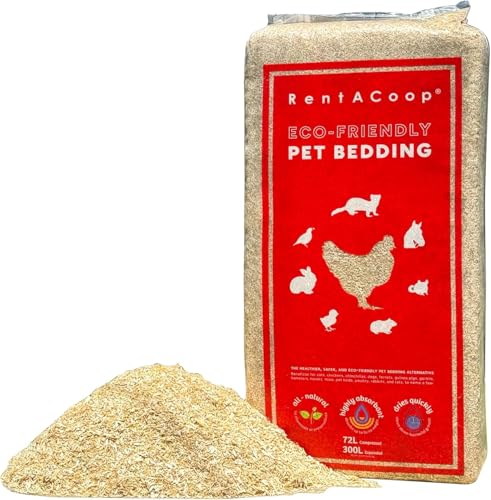
RentACoop RentACoop Extra-Soft Hemp Bedding, 300L
Super-absorbent, low-dust hemp with natural odor control for coops and nest boxes.

Cranky Frank Hemp Cranky Frank Hemp Bedding, 20 lb
All-natural dust-free hemp bedding that is super absorbent for chickens and pets.
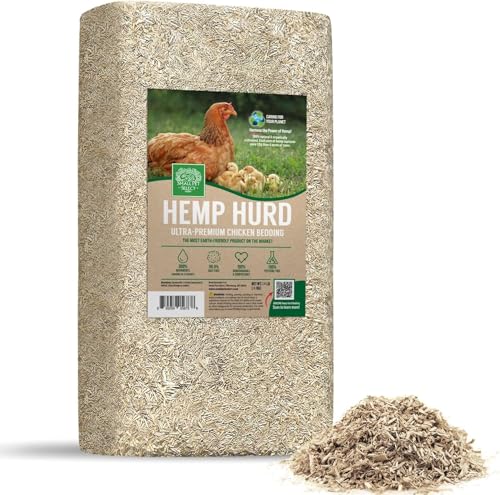
Small Pet Select Small Pet Select Hemp HURD Bedding, 18 lb
Biodegradable ultra-premium hemp hurd bedding with eco-friendly odor control.

All Walks All Walks Hemp Bedding, 18.5L
Budget low-dust, odor-controlling hemp bedding for small animals and nest boxes.

Eaton Pet and Pasture Eaton Laying Hen Nesting Pads, 10 Pack
USA-grown 13 by 13 nesting pads that line boxes to keep eggs clean and tidy.
How Does This Coop Bedding Compare?
| Product | Price | Material | Size | Best For |
|---|---|---|---|---|
| Dominion Hemp | $59 | Hemp | 30 lb | Best overall |
| RentACoop Hemp | $73 | Hemp | 300 L | Max absorbency |
| Cranky Frank Hemp | $55 | Hemp | 20 lb | Dust-free |
| Small Pet Select | $45 | Hemp hurd | 18 lb | Eco-friendly |
| All Walks Hemp | $25 | Hemp | 18.5 L | Budget pick |
| Eaton nesting pads | $28 | Nest pads | 10 pack | Nest box liner |
How We Picked This Coop Bedding
We did not line our own coop with these. Instead we compared absorbency, dust level, odor control, material and sustainability, value, and the consistent patterns in verified owner reviews, then judged each against what keeps a coop dry, low-dust, and healthy. We weighted four factors most heavily. First, absorbency, since soaking up moisture is bedding's main job. Second, low dust, which protects chickens' sensitive lungs. Third, odor control to keep ammonia down. Fourth, suitability for deep litter and composting, plus value. We favored hemp for its standout absorbency and low dust, with a nest-pad option for the boxes.
A Closer Look at Each Option
Dominion Hemp Coop Bedding, 30 lb
Our top overall pick is a highly absorbent, USA-made hemp bedding sized at 30 pounds with around 10 cubic feet of usable volume, ideal for coop floors, nest boxes, and brooders. Hemp's standout absorbency keeps the coop dry and ammonia low, while its low dust protects the flock's respiratory health far better than dustier options. It also makes great compost. The generous bag and reliable quality make it a strong everyday choice. For most keepers wanting a cleaner, lower-dust coop with less frequent cleaning, this hemp bedding is the balanced pick.
Pros: Highly absorbent, low dust, USA-made, versatile and compostable.
Cons: Higher upfront cost than pine shavings or straw.
RentACoop Extra-Soft Hemp Bedding, 300L
This extra-soft premium hemp bedding emphasizes super absorbency, low dust, and natural odor control in a large 300-liter quantity, making it the pick when you want maximum performance and a big supply on hand. The soft texture is comfortable for birds, and the high absorbency means fewer changes and a drier coop. It works for nest boxes and small animals too. The larger size and premium positioning come at a higher price, but for keepers with bigger coops or a strong preference for top-tier hemp, it delivers.
Pros: Super absorbent, extra soft, strong odor control, large quantity.
Cons: Highest price here; more than small coops need.
Cranky Frank Hemp Bedding, 20 lb
This all-natural hemp bedding leans on being dust-free and super absorbent in a 20-pound bag with about 75 usable liters, a great fit for keepers who prioritize the lowest possible dust for sensitive birds. Low dust is one of hemp's biggest advantages, and this option makes it a selling point, helping protect chickens prone to respiratory issues. It works for chickens and other pets alike. At a mid-range price with strong absorbency and minimal dust, it is a solid, health-minded choice for a clean and comfortable coop.
Pros: Marketed dust-free, super absorbent, all-natural, multi-pet use.
Cons: Smaller volume than the largest bags; premium pricing.
Small Pet Select Hemp HURD Bedding, 18 lb
This ultra-premium hemp hurd bedding is biodegradable and built around eco-friendly odor control in an 18-pound bag, appealing to keepers who want sustainability alongside performance. Hemp hurd is the absorbent inner core of the stalk, soaking up moisture well while breaking down nicely in the compost pile. The eco-friendly angle suits keepers who garden and want their soiled bedding to feed the soil. With good absorbency, low dust, and a green focus, it is a strong choice for environmentally minded flock keepers.
Pros: Biodegradable, eco-friendly odor control, absorbent, composts well.
Cons: Smaller bag; premium price per pound.
All Walks Hemp Bedding, 18.5L
The budget pick brings hemp's low-dust, odor-controlling benefits in a smaller 18.5-liter bag at the lowest price here, geared toward small animals and nest boxes but useful for compact coops or trying hemp before buying big. It lets keepers sample the absorbency and low dust of hemp without a large commitment, or use it to line nesting boxes economically. For a few hens or a first hemp purchase, it covers the essentials of a clean, comfortable surface at a wallet-friendly price.
Pros: Affordable, low dust, odor control, good for nest boxes or trials.
Cons: Small quantity; runs out fast in a full coop.
Eaton Laying Hen Nesting Pads, 10 Pack
Different from loose bedding, these USA-grown 13-by-13-inch nesting pads line the nest boxes to keep eggs clean and the boxes tidy, complementing your floor bedding rather than replacing it. Pads form a neat, cushioned base that protects eggs and pulls out quickly at cleaning time, taking debris with them. Many keepers top a pad with a little loose bedding for a natural feel. As a clean, low-effort liner for the boxes, this 10-pack is a worthwhile addition that helps keep your eggs spotless and your nests fresh.
Pros: Keeps eggs clean, tidy and quick to swap, USA-grown, cushioned.
Cons: For nest boxes, not coop floors; a consumable.
Keeping a Clean, Healthy Coop
- Prioritize absorbency and low dust. Dry bedding and clean air protect your flock's lungs.
- Spot-clean regularly. Remove droppings under roosts often and refresh damp spots.
- Consider deep litter. In a dry, ventilated coop, layering bedding composts waste in place.
- Avoid cedar. Cedar oils can irritate chickens' respiratory systems; choose hemp, pine, or straw.
- Compost soiled bedding. Natural bedding plus droppings makes rich garden compost after aging.
Good bedding keeps the coop dry, fresh, and healthy, but it works best with proper ventilation and a regular cleaning routine. Watch for ammonia smell, damp patches, or dusty conditions, which signal it is time to refresh bedding or improve airflow. For persistent respiratory issues in your flock, consult a poultry veterinarian or local extension office. This guide is educational and complements attentive coop management.
Backyard Chicken Keepers Planner
Track your chicken's health, meds, vet visits, mobility, nutrition, and quality of life, all in one printable planner.
Related Chicken-Keeping Guides
Editor's Pick · Affiliate link
An Automatic Coop Door, the Upgrade Keepers Regret Waiting On
Nearly every predator loss happens because a door was open at dusk or dawn. An automatic opener closes on a light sensor or timer whether or not you are home, which is the single biggest reduction in risk available to a small flock.
Frequently Asked Questions
What is the best bedding for a chicken coop?
There is no single best, but the top choices are hemp, pine shavings, and straw, with hemp gaining popularity for its high absorbency, low dust, and natural odor control. Good bedding should absorb moisture and droppings, keep dust low to protect chickens' sensitive respiratory systems, control ammonia smell, and be comfortable to walk and dust-bathe on. Avoid cedar shavings, which give off oils that can irritate chickens' lungs. The right pick depends on your climate, budget, and whether you compost, but hemp and quality pine shavings suit most coops.
How often should I change coop bedding?
It depends on your method. With spot-cleaning, remove droppings from under roosts daily or every few days and refresh damp areas, then do a full bedding change every few weeks to a couple of months. With the deep litter method, you add fresh bedding on top regularly and let the lower layers compost in place, doing a full cleanout once or twice a year. Whatever the schedule, change bedding sooner if it smells of ammonia, feels damp, or looks soiled, since dirty bedding harbors pests and bacteria.
Is hemp bedding worth the cost?
For many keepers, yes. Hemp bedding costs more upfront than pine shavings or straw, but it is highly absorbent, very low in dust, and good at controlling odor, and a little goes a long way since it soaks up far more than its weight in moisture. Lower dust is better for chickens' respiratory health, and the absorbency means fewer changes and less ammonia. It also composts well. If you value a cleaner, lower-dust coop and less frequent cleaning, hemp often justifies the higher price over time.
What is the deep litter method?
The deep litter method is a low-maintenance system where, instead of removing all bedding regularly, you let droppings and bedding compost in place on the coop floor. You start with several inches of bedding, turn it occasionally, and add fresh material on top as needed, letting beneficial microbes break down waste and even generate a little warmth in winter. Once or twice a year you remove most of the rich compost for the garden and start fresh. It works best in a dry, well-ventilated coop with an absorbent bedding like hemp or pine shavings.
Can I compost chicken coop bedding?
Yes, soiled coop bedding mixed with droppings is excellent compost material, rich in nitrogen and carbon. Natural beddings like hemp, pine shavings, and straw break down well in a compost pile. Because fresh chicken manure is high in nitrogen and can be too strong for plants directly, composting it for several months mellows it into a safe, nutrient-rich amendment for your garden. Avoid composting bedding if you have used medicated products in the coop, and always let the pile fully compost before applying it to edible crops.
Why does my chicken coop smell like ammonia?
An ammonia smell means droppings are breaking down faster than your bedding can manage, usually from too much moisture, not enough absorbent bedding, poor ventilation, or overdue cleaning. Ammonia irritates chickens' eyes and lungs and signals an unhealthy environment. Fix it by removing soiled bedding, adding more absorbent material like hemp or fresh shavings, improving airflow, and addressing any leaks or waterer spills that wet the bedding. Keeping the coop dry and well-ventilated with absorbent bedding prevents the smell from returning.
Need more help with your flock?
Browse our guides by topic to find practical solutions.
Wellness Planner: $39