Best Chicken First Aid Kits 2026 for Your Flock
Compare 6 of the best chicken first aid supplies for 2026, from complete poultry kits to wound sprays and leg splints, with treatment and when-to-call-a-vet guidance.
Chickens are tough but accident-prone, and they hide trouble until it is serious, so having first aid supplies ready can make the difference when a pecking wound, bout of bumblefoot, or predator scare strikes. A well-stocked kit lets you clean a wound, stop bleeding, and stabilize a bird right away instead of scrambling when the feed store is closed. A kit does not replace a veterinarian for serious cases, but for the everyday scrapes of flock life, it is one of the most useful things a keeper can own.
We compared popular chicken first aid supplies using contents and coverage, ingredients, ease of use, and the recurring themes in verified owner reviews, plus poultry-extension and veterinary guidance on common ailments. We did not use these on our own birds. Instead we weighed what matters most: effective wound care, coverage of common chicken problems like pecking injuries and bumblefoot, safety, and value. Below are six options we recommend, a comparison table, and guidance on treating minor issues and knowing when to call a vet.
Best Chicken First Aid Supplies 2026
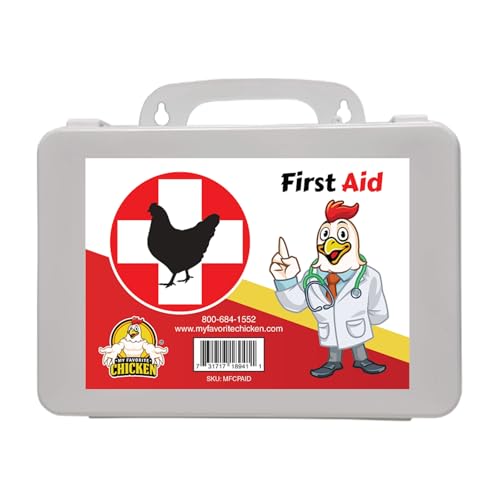
My Favorite Chicken My Favorite Chicken Poultry First Aid Kit
A complete ready-made poultry first aid kit so you have the essentials on hand for emergencies.

Vetericyn Vetericyn Plus Poultry Care Spray
Healing aid and skin repair spray for wounds, pecking injuries, bumblefoot, and vent issues.

Dr. Naylor Dr. Naylor Blu-Kote Aerosol
Fast-drying blue antiseptic wound dressing that also masks red to deter pecking, 2-pack.

PetSilver PetSilver Chicken Wound Spray
Patented silver wound spray for pecking sores, bumblefoot, cuts, burns, and irritations.

Lemant Lemant Poultry Care Spray
Budget skin repair and recovery aid for wounds, pecking irritations, and bumblefoot.
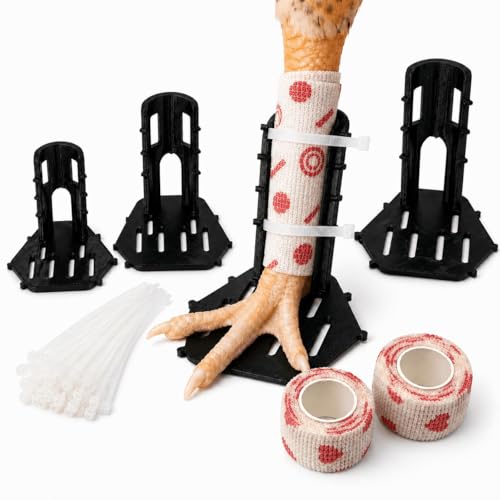
Whadirom Whadirom Poultry Leg Splint Set
Four-size splint kit with cohesive wrap for supporting injured chicken legs and feet.
How Do These First Aid Options Compare?
| Product | Price | Type | Use | Best For |
|---|---|---|---|---|
| My Favorite Chicken kit | $105 | Complete kit | All-around | Best overall |
| Vetericyn Plus spray | $24 | Wound spray | Wounds, bumblefoot | Everyday wound care |
| Blu-Kote aerosol | $23 | Antiseptic dressing | Pecking sores | Deterring pecking |
| PetSilver spray | $28 | Silver spray | Cuts, burns, sores | Stubborn wounds |
| Lemant spray | $20 | Care spray | Wounds, irritations | Budget pick |
| Whadirom splint set | $27 | Leg splints | Leg, foot support | Leg injuries |
How We Picked These First Aid Supplies
We did not treat our own birds for this guide. Instead we compared contents and coverage, active ingredients, ease of use, and the consistent patterns in verified owner reviews, alongside poultry-extension and veterinary guidance on common chicken ailments, then judged each against how well it helps a keeper handle everyday injuries. We weighted four factors most heavily. First, effective wound care for the cuts and sores chickens get. Second, coverage of common problems like pecking injuries, bumblefoot, and leg trouble. Third, safety and ease of use under stress. Fourth, value. None of these replace a veterinarian for serious cases.
A Closer Look at Each Option
My Favorite Chicken Poultry First Aid Kit
Our top overall pick is a complete, ready-made poultry first aid kit that gathers the essentials in one place, so you are not assembling supplies from scratch or discovering a gap mid-emergency. Buying a kit is the fastest way to get covered, especially for new keepers who do not yet know what they need. It costs more than a single spray, but the convenience and completeness are the point: open it and you have what you need to clean wounds and stabilize a bird. A smart foundation that you can top up over time.
Pros: Complete and ready to use, great for new keepers, all-in-one convenience.
Cons: Highest price; you may still add personal preferences.
Vetericyn Plus Poultry Care Spray
This widely trusted poultry care spray is a healing aid and skin repair for chicken wounds, pecking injuries, bumblefoot, vent prolapses, and more, making it the everyday wound-care workhorse of many coops. It is easy to apply to a cleaned wound, gentle, and versatile across the common surface problems chickens face. At a reasonable price for the 8-ounce size, it earns a spot in nearly any kit. If you buy just one wound product to keep on hand, a well-regarded all-purpose spray like this is a strong choice.
Pros: Versatile across common ailments, gentle, easy to apply, trusted.
Cons: Surface wounds only; not for deep or infected injuries.
Dr. Naylor Blu-Kote Aerosol
This fast-drying blue antiseptic wound dressing, sold here as a two-pack, has a special advantage for flock life: the blue tint masks the red of a wound, which discourages flockmates from pecking at an injured bird. It treats minor cuts and pecking sores while the color helps break the pecking cycle that can turn a small wound into a serious one. It stains skin, so wear gloves, and keep it away from eyes. For coops where pecking is a recurring problem, it is a genuinely useful tool.
Pros: Antiseptic plus pecking deterrent, fast-drying, two-pack value.
Cons: Stains skin and surfaces; for minor surface wounds only.
PetSilver Chicken Wound Spray
This patented silver-solution wound spray targets pecking sores, bumblefoot, cuts, burns, and skin irritations, using silver's well-known properties for supporting clean healing. USA-made in a generous 12-ounce bottle, it is a good choice for keepers who want a wound spray for the more stubborn surface problems that crop up. Apply to a cleaned wound and keep the bird on clean bedding. Like the other sprays, it is for surface care, not deep wounds or infections, but it is a capable, well-reviewed option for a kit.
Pros: Silver solution, large bottle, broad surface-wound use, USA-made.
Cons: Pricier per use; surface wounds only.
Lemant Poultry Care Spray
The budget pick is an 8.5-ounce skin repair and recovery spray for chicken wounds, pecking irritations, bumblefoot, and vent-area support, covering much of the same everyday ground as pricier sprays at a lower cost. It is an easy way to get effective wound care into a starter kit without overspending, or to keep a backup bottle in the coop. For keepers building a kit on a budget or wanting an inexpensive all-purpose spray to have on hand, it covers the basics of minor wound care well.
Pros: Affordable, covers common ailments, easy to apply, good backup.
Cons: Surface care only; budget formulation.
Whadirom Poultry Leg Splint Set
Different from the sprays, this is a four-size leg splint kit with cohesive wrap and cable ties for supporting an injured chicken's leg or foot, useful for issues like a slipped tendon, sprain, or splayed leg in young birds. Having the right-size splint and wrap on hand lets you stabilize a leg promptly, which can make a real difference for recovery. Leg injuries can be tricky, so pair this with veterinary advice for anything beyond minor support. It is a worthwhile, specialized addition to a complete kit.
Pros: Multiple sizes, includes wrap, stabilizes leg injuries, specialized.
Cons: Niche use; serious leg injuries still need a vet.
Building and Using a Chicken First Aid Kit
- Keep it stocked and accessible. Store supplies where you can grab them fast, and restock after use.
- Separate injured birds. Flockmates peck at blood, so isolate a wounded chicken to heal.
- Clean before you treat. Flush wounds with saline or wound spray before applying a dressing.
- Add soaking and bleeding aids. Epsom salts for bumblefoot soaks and styptic powder for bleeding are handy.
- Know your vet ahead of time. Find a poultry or avian vet before an emergency so you are ready.
A first aid kit empowers you to handle the everyday scrapes of chicken keeping, but it is not a substitute for professional care. For deep or gaping wounds, heavy bleeding, suspected fractures, breathing trouble, an unresolved prolapse, or any bird that is weak or rapidly declining, contact a poultry or avian veterinarian promptly. Your local extension office can also point you to poultry resources. This guide is educational and complements, rather than replaces, veterinary care.
Backyard Chicken Keepers Planner
Track your chicken's health, meds, vet visits, mobility, nutrition, and quality of life, all in one printable planner.
Related Chicken-Keeping Guides
Reviewed in detail
If you have narrowed the decision to one product, we go through it in detail here: Essential poultry first aid kit review and Food grade diatomaceous earth review.
Editor's Pick · Affiliate link
An Automatic Coop Door, the Upgrade Keepers Regret Waiting On
Nearly every predator loss happens because a door was open at dusk or dawn. An automatic opener closes on a light sensor or timer whether or not you are home, which is the single biggest reduction in risk available to a small flock.
Frequently Asked Questions
What should be in a chicken first aid kit?
A solid chicken first aid kit covers wound care and a few common ailments. Useful items include a poultry wound or care spray, an antiseptic wound dressing, vet wrap or cohesive bandage, gauze, blunt scissors, tweezers, disposable gloves, electrolytes and a vitamin supplement, and saline for flushing wounds. Many keepers also keep Epsom salts for soaking bumblefoot, a styptic powder to stop nail or beak bleeding, and a leg-splint option. Whether you buy a ready-made kit or build your own, keep it stocked and within reach.
How do I treat a pecking wound on a chicken?
First separate the injured bird, since flockmates are drawn to blood and will keep pecking a red wound. Gently clean the area with saline or a poultry wound spray, remove debris, and apply an antiseptic wound dressing. A blue-tinted antiseptic also masks the red color that attracts pecking. Keep the bird isolated until the wound dries and scabs, watch for swelling or infection, and reintroduce slowly. For deep, large, or infected wounds, or if the bird is weak, contact a poultry or avian veterinarian.
What is bumblefoot and how do I treat it?
Bumblefoot is a bacterial infection of the footpad, often starting from a small cut or splinter and showing as swelling, redness, or a dark scab on the bottom of the foot. Mild cases may respond to soaking the foot in warm Epsom salt water, cleaning, applying an antiseptic, and keeping the bird on clean, dry bedding. Severe or deep cases with abscesses usually need veterinary care, since they may require minor surgery and antibiotics. Smooth roosts and clean footing help prevent it from starting.
Do chickens really need a first aid kit?
Yes. Chickens are prey animals that hide illness and injury until it is advanced, and problems like pecking wounds, bumblefoot, scaly leg mites, or a predator scare can crop up suddenly. Having basic supplies on hand means you can act immediately instead of scrambling when farm and feed stores are closed. A first aid kit will not replace a veterinarian for serious cases, but it lets you handle minor wounds, stop bleeding, and stabilize a bird so you can decide whether vet care is needed.
Is blue antiseptic spray safe for chickens?
Blue-tinted antiseptic wound dressings made for animals are widely used on poultry to treat minor cuts, pecking sores, and surface wounds. The blue color has a practical benefit beyond antisepsis: it disguises the red of a wound, which discourages flockmates from pecking at it. Apply it to clean wounds, avoid the eyes, and wear gloves since it stains skin. As with any treatment, it is for minor surface issues. Deep wounds, heavy bleeding, or signs of infection call for a veterinarian.
When should I call a vet instead of treating at home?
Handle minor surface wounds, small cuts, and routine issues at home, but call a poultry or avian veterinarian for deep or gaping wounds, heavy or persistent bleeding, suspected broken bones, signs of infection like swelling, heat, or pus, breathing trouble, a prolapsed vent that will not resolve, or any bird that is weak, not eating, or rapidly declining. Finding an avian vet before an emergency saves precious time. Your local extension office can also point you to poultry resources. When unsure, err toward professional care.
Need more help with your flock?
Browse our guides by topic to find practical solutions.
Wellness Planner: $39