Best Chicken Fencing 2026: Keep Your Flock Safe
Compare 6 of the best chicken fencing options for 2026, from tall poultry netting to electric fence kits and galvanized wire, with height and predator-proofing tips.
Good fencing gives your chickens room to forage while keeping them where they belong and putting a barrier between them and predators. The right setup means fewer escapes, less garden damage, and a flock that can scratch and dust-bathe in safety. Get it wrong, with fencing too short or too flimsy, and you end up chasing birds out of the neighbor's beds or, far worse, losing them to a fox or loose dog. The good news is there is a fencing option for every yard and budget.
We compared popular chicken fencing using manufacturer specifications, height, materials, electric versus non-electric design, ease of setup, and the recurring themes in verified owner reviews. We did not install these around our own flock. Instead we weighed the features that matter most: adequate height, predator deterrence, portability for rotational grazing, and durability. Below are six options we recommend, a comparison table, and guidance for choosing and placing fencing that keeps your flock safe.
Best Chicken Fencing 2026

Omlet Omlet Chicken Fencing, 39 ft
Tall, freestanding poultry netting with a door that gives chickens space without an electric charge.
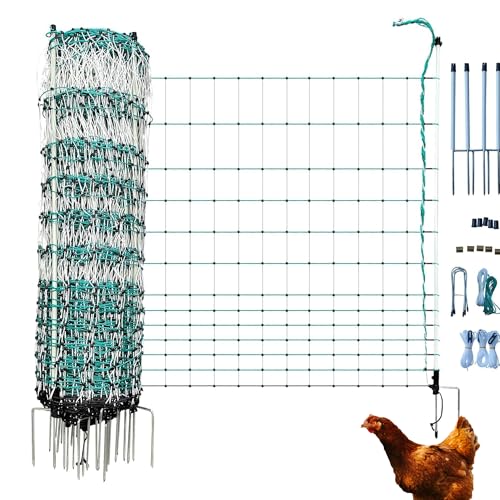
RentACoop RentACoop Electric Netting, 168 ft
48-inch tall electric poultry net for serious predator protection over a large area.

ouluu ouluu Electric Poultry Netting
Portable electric fence net for chickens, ducks, and turkeys to graze new ground safely.

LoJok LoJok Electric Poultry Netting
Anti-predator electric net with double-spike posts, 47.5 inches tall and 164 feet long.
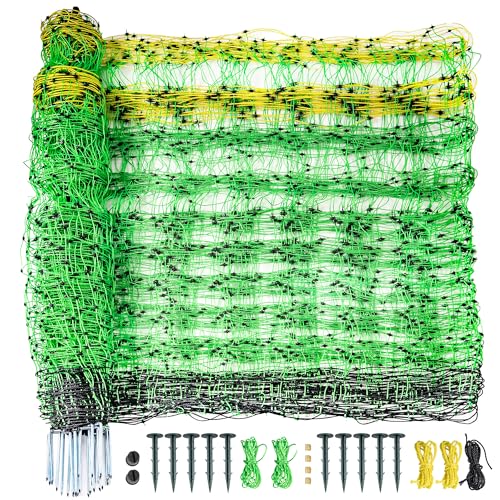
PPOLB PPOLB Electric Fence Netting
Portable 164-foot electric netting that doubles for chickens, ducks, geese, and rabbits.

TOYPOPOR TOYPOPOR Chicken Wire, 82 ft
Galvanized hexagonal poultry wire for runs and garden barriers at a budget price.
How Does This Chicken Fencing Compare?
| Product | Price | Type | Length | Best For |
|---|---|---|---|---|
| Omlet fencing | $229 | Non-electric net | 39 ft | Best overall, tall |
| RentACoop electric | $240 | Electric net | 168 ft | Large areas |
| ouluu electric | $149 | Electric net | 164 ft | Rotational grazing |
| LoJok electric | $160 | Electric net | 164 ft | Predator-heavy areas |
| PPOLB electric | $150 | Electric net | 164 ft | Mixed poultry |
| TOYPOPOR wire | $24 | Galvanized wire | 82 ft | Budget, garden |
How We Picked This Chicken Fencing
We did not stake out our own run to test these fences. Instead we compared manufacturer specifications, height, mesh type, electric versus non-electric design, post and grounding requirements, and the consistent patterns in verified owner reviews, then judged each against how well it contains chickens and deters predators. We weighted four factors most heavily. First, adequate height to limit escapes. Second, predator deterrence, where electric netting leads. Third, portability for rotational free-ranging on fresh grass. Fourth, durability and ease of setup. Price and versatility across poultry types rounded out the picture.
A Closer Look at Each Option
Omlet Chicken Fencing, 39 ft
Our top overall pick is a tall, freestanding poultry net that stands significantly higher than many movable fences, giving chickens generous space while reducing escapes, all without the complexity of an electric charge. A built-in door lets you walk in and out easily, and the freestanding design means you can reshape or relocate the enclosure as needed. It is a clean, no-shock solution for keepers who want to define a large run or free-range area and value simplicity. Pair it with a secure coop for nighttime safety.
Pros: Tall to limit escapes, no electricity needed, built-in door, flexible layout.
Cons: Premium price; non-electric, so less ground-predator deterrence.
RentACoop Electric Netting, 168 ft
For serious predator protection over a large area, this 48-inch electric poultry net runs 168 feet and is rated for chickens, ducks, and turkeys from about four weeks old. The height and electrified strands deter foxes, raccoons, and loose dogs, while the long run encloses a big foraging space. You will need a separate energizer and good grounding to keep it hot, but once set up it is one of the strongest daytime defenses available. A great fit for keepers facing real predator pressure.
Pros: Long run, strong predator deterrence, good height, suits multiple poultry.
Cons: Energizer sold separately; needs proper grounding to work.
ouluu Electric Poultry Netting
This portable electric net spans 164 feet at 47.5 inches tall and is built for moving around, making it ideal for rotational free-ranging where you give chickens fresh forage and rest the old ground. It works for ducks, geese, and turkeys too, so mixed flocks are covered. The portability is the draw, letting you reposition the enclosure every week or two. As with all electric netting, you supply the energizer and keep it well grounded. A versatile, mid-priced choice for active homesteaders.
Pros: Portable for rotation, good height and length, suits mixed poultry.
Cons: Requires energizer; takes practice to keep taut.
LoJok Electric Poultry Netting
Aimed squarely at predator-heavy properties, this 164-foot net adds double-spike posts for a more stable, secure stand and anti-predator design at 47.5 inches tall. The sturdier posts help the fence hold its shape and stay upright on uneven or windy ground, which matters when a sagging net loses its deterrent value. It suits chickens, ducks, geese, and turkeys. Like the others, it needs an energizer and grounding. For keepers who have lost birds and want a dependable electric barrier, it is a strong option.
Pros: Double-spike posts for stability, good height, anti-predator design.
Cons: Energizer not included; setup effort on rough ground.
PPOLB Electric Fence Netting
This 164-foot electric net is the flexible all-rounder, rated for chickens, ducks, geese, and even rabbits, so it adapts as your homestead changes. The portable movable design supports rotational grazing across backyards, gardens, and small farms. It hits a friendly mid-range price while delivering the core electric deterrence that keeps ground predators at bay. You provide the energizer and grounding. For keepers who want one net that can pull double duty around the property, it is a practical and budget-conscious choice.
Pros: Versatile across poultry and rabbits, portable, fair price.
Cons: Energizer sold separately; general-purpose rather than specialized.
TOYPOPOR Chicken Wire, 82 ft
The budget pick is a classic: galvanized hexagonal poultry wire, 16 inches tall and 82 feet long, for defining runs, fencing off garden beds, or reinforcing existing barriers. It is rust-resistant and cheap, and a single roll covers a lot of ground. Keep in mind that chicken wire contains birds and slows casual threats but will not stop a determined raccoon or dog, so reserve it for low-risk daytime containment and use hardware cloth where real predator-proofing is needed. For the price, it is a handy staple to keep on hand.
Pros: Very affordable, galvanized and rust-resistant, versatile for gardens.
Cons: Low height; not predator-proof on its own.
Setting Up Fencing for a Safe Flock
- Match height to your breeds. Aim for 4 to 6 feet for active layers; heavy breeds need less.
- Use electric netting for predators. A grounded, energized net is the best daytime deterrent.
- Lock birds in at night. Fencing manages the day; a hardware-cloth coop protects the roost after dark.
- Rotate portable netting. Move the enclosure to fresh grass to keep forage clean and reduce parasites.
- Reserve hardware cloth for weak points. Use it on coop windows, vents, and the bottom apron against diggers.
Fencing is one layer of a safe setup, not the whole story. Combine the right height, predator deterrence, and a secure coop, and watch your flock for signs of escape attempts or predator probing like dug holes or pushed netting. If predators persist, reassess your defenses and consider electric netting or a covered run. This guide is educational and complements local advice from experienced keepers or your extension office.
Backyard Chicken Keepers Planner
Track your chicken's health, meds, vet visits, mobility, nutrition, and quality of life, all in one printable planner.
Related Chicken-Keeping Guides
Reviewed in detail
If you have narrowed the decision to one product, we go through it in detail here: Premier 1 PoultryNet Plus starter kit review, Omlet chicken fencing review and Land Guard hardware cloth review.
Editor's Pick · Affiliate link
An Automatic Coop Door, the Upgrade Keepers Regret Waiting On
Nearly every predator loss happens because a door was open at dusk or dawn. An automatic opener closes on a light sensor or timer whether or not you are home, which is the single biggest reduction in risk available to a small flock.
Frequently Asked Questions
How tall does chicken fencing need to be?
Most standard breeds can clear a fence under 4 feet, especially lighter, flightier birds, so aim for fencing at least 4 to 6 feet tall to keep chickens in and many ground predators out. Heavy breeds like Orpingtons rarely fly high and may be contained by lower fencing, while bantams and active layers can flutter over surprisingly tall barriers. If birds keep escaping, you can add height, clip one wing to unbalance flight, or choose a taller netting designed for poultry.
Do I need electric poultry netting?
Electric poultry netting is not required, but it is one of the most effective tools against ground predators like foxes, raccoons, dogs, and coyotes. A mild but memorable shock teaches predators to stay away and discourages chickens from pushing through. Non-electric fencing and chicken wire contain birds and slow some threats but do not deter determined diggers and climbers as well. Many keepers use electric netting for daytime free-ranging and a hardware-cloth-secured coop for nighttime protection.
What is the difference between chicken wire and hardware cloth?
Chicken wire is light hexagonal mesh that is good for keeping chickens contained and fencing off gardens, but its thin wire and wide openings will not stop a determined raccoon, dog, or weasel. Hardware cloth is a sturdier welded mesh with small openings, far better for predator-proofing coops, runs, and vulnerable points like windows and vents. A practical setup uses chicken wire or netting to define the run and hardware cloth where real predator protection is needed.
Is portable electric netting easy to move?
Yes, portable electric poultry netting is designed to be picked up and relocated, which is its main advantage. Built-in posts let you roll out a new enclosure on fresh grass every week or two, giving chickens clean forage while you rest the old ground. Moving it takes some practice to keep the net taut and the posts upright, and you need a fence energizer and good grounding to keep it hot. For rotational free-ranging, it is hard to beat.
Will fencing alone keep predators out at night?
Fencing helps during the day, but it is rarely enough on its own at night, when most predators hunt and chickens are vulnerable on the roost. The safest practice is to lock birds into a secure, hardware-cloth-protected coop every evening, using fencing to manage the daytime run or free-range area. Electric netting adds strong daytime and dusk protection, but a closed, predator-proof coop remains the cornerstone of keeping your flock safe overnight.
How do I keep chickens from flying over the fence?
Start with a fence tall enough for your breeds, ideally 5 to 6 feet for active layers. If birds still escape, clipping the flight feathers on one wing unbalances their flight and usually grounds them, a painless trim of the long primary feathers that grows back at the next molt. Reducing crowding and boredom also helps, since bored or stressed birds are more motivated to roam. Covered runs eliminate the problem entirely by closing off the top.
Need more help with your flock?
Browse our guides by topic to find practical solutions.
Wellness Planner: $39