Winter Coop Care: Keeping the Coop Dry, Safe, and Healthy
Winter coop care is about dryness and ventilation, not heat. Learn to prep the coop with deep bedding, open high vents, unfrozen water, wide roosts, and draft control.
Good winter coop care is one of the most misunderstood parts of chicken keeping. The instinct is to wrap everything up tight and add heat, but that is exactly backward. Chickens are cold-hardy, and the real winter threats are moisture, drafts, and the frostbite and illness they cause. Your job is not to warm the coop, it is to keep it dry, well ventilated, and free of drafts, and to make sure water stays liquid. Get those right and your flock will sail through winter. This guide covers how to prep and maintain the coop all season.
Backyard Chicken Keepers Planner
Track your chicken's health, meds, vet visits, mobility, nutrition, and quality of life, all in one printable planner.
The Goal: Dry, Ventilated, Draft-Free
Everything in winter coop care serves one aim: a coop that is dry, well ventilated, and free of drafts at roost level. Chickens give off a lot of moisture through breathing and droppings, and trapped humidity condenses on combs and wattles to cause frostbite while also fueling respiratory disease. The counterintuitive lesson is that a slightly cold, dry, airy coop is far healthier than a warm, sealed, damp one. Keep that priority front of mind and the rest of your winter routine falls into place.
Prepping the Coop for Winter
Before the cold sets in, give the coop a thorough going-over. Clean it out and lay down deep, dry bedding. Check every vent: high vents near the roofline should be open for moisture control, while low gaps at roost level should be sealed against drafts. Inspect for leaks and make sure rain and snow cannot blow in. Confirm roosts are wide and flat and that all birds have room to roost together. Set up your water plan, whether a heated waterer or a routine for swapping in fresh warm water. A little preparation now prevents problems later.
Ventilation, Not Sealing
The single most important winter habit is keeping high ventilation open. It feels wrong to leave vents open when it is freezing, but those high vents are what carry away the moisture that would otherwise frostbite your birds. Remember the rule: ventilation up high, solid walls down low. Block the drafts that blow across roosting birds at night, but never close off the high airflow that keeps the coop dry. If you make only one change to your winter approach, make it this one.
Winter Coop Care Gear

Lilyang Heated Chicken Waterer, 3 Gallon
Keeps drinking water liquid through freezing weather with no daily thawing.

Farm Innovators Farm Innovators Heated Poultry Waterer, 3 Gallon
A dependable hanging heated fount for reliable winter hydration.
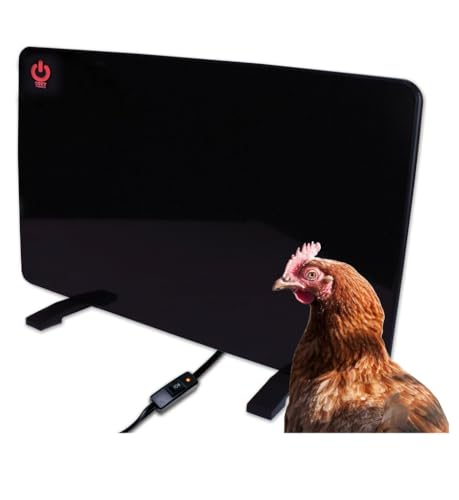
Cozy Products Cozy Coop Flat-Panel Radiant Heater
For extreme-cold cases only: a safer radiant panel used in place of a hazardous heat lamp.
Bedding and the Deep Litter Method
Dry bedding is your ally against winter moisture. Keep it deep, and remove or cover wet spots promptly. Many keepers use the deep litter method in winter: rather than cleaning out fully, you add fresh bedding on top of the old through the season. The lower layers compost gently, helping keep the coop dry and adding a small amount of warmth. Start with several inches, turn it occasionally to keep it from packing, and add more as needed. Keep it dry and ventilated, and it can reduce your winter workload while supporting coop health.
Water, Roosts, and Daily Checks
- Water: Keep it unfrozen with a heated waterer or by swapping warm water a couple of times a day. Hydration is critical in the cold.
- Roosts: Use wide, flat roosts so birds can cover their feet, and make sure all birds can roost together to share warmth.
- Feed: Keep it available free choice, since birds burn more energy in the cold, and offer a little scratch in the late afternoon.
- Daily check: Confirm water is liquid, bedding is dry, vents are clear, drafts are blocked, and do a head count.
A Word on Heat
For most coops in most climates, no supplemental heat is needed or wise. Heat lamps are a leading cause of coop fires and leave birds unable to acclimate and dangerously cold if the power fails. Reserve added heat for narrow cases like very young, sick, or non-cold-hardy birds, or truly extreme conditions, and use a flat-panel radiant heater rather than a heat lamp. Never let heat substitute for a dry, ventilated coop, which is what actually keeps your flock healthy.
The Takeaway
Winter coop care is simpler than it seems once you let go of the urge to warm things up. Keep the coop dry, ventilated up high, and free of drafts at roost level, provide unfrozen water, deep dry bedding, wide roosts, and plenty of feed, and check it daily. Use the deep litter method if it suits you, and skip the heat lamp. Do this and your cold-hardy flock will come through winter healthy, comfortable, and ready to lay again as the days grow longer.
Editor's Pick · Affiliate link
An Automatic Coop Door, the Upgrade Keepers Regret Waiting On
Nearly every predator loss happens because a door was open at dusk or dawn. An automatic opener closes on a light sensor or timer whether or not you are home, which is the single biggest reduction in risk available to a small flock.
Frequently Asked Questions
How do I prepare my chicken coop for winter?
Focus on keeping it dry, ventilated, and draft-free rather than warm. Clean it out and add deep, dry bedding, check that high vents are open for moisture control while sealing low drafts at roost level, set up a heated waterer or a plan for unfrozen water, and confirm roosts are wide and that all birds have space. Skip the heat lamp in most climates. A dry, ventilated, draft-free coop is the goal.
Should I close up all the coop vents in winter?
No, and this is a common mistake. Closing vents traps the moisture chickens give off, leading to frostbite and respiratory illness. Keep high vents open all winter to let humidity escape, and instead block only the low drafts at roost level. The rule is ventilation up high, solid walls down low. Moisture, not cold, is the real winter threat, and ventilation is how you control it.
What is the deep litter method for winter?
Deep litter is a system where you add fresh bedding on top of the old through the season rather than fully cleaning out. The lower layers compost gently, which helps keep the coop dry and adds a small amount of warmth. Start with several inches of bedding, turn it occasionally, and add more as needed. Keep it dry and well ventilated. Many keepers find it reduces winter workload and supports coop health.
How do I keep the coop dry in winter?
Keep high ventilation open so moisture escapes, use plenty of dry bedding and add to it as needed, keep the waterer from spilling or use a no-spill design, and remove wet bedding promptly. Make sure rain and snow cannot blow in through vents by using overhangs. A dry coop prevents the moisture buildup that causes frostbite and illness, so dryness is the top winter priority.
What kind of roosts are best for winter?
Wide, flat roosts are best, such as a 2-by-4 placed with the flat side up. They let chickens fully cover their feet with their bodies while they sleep, protecting toes from frostbite. Narrow round perches leave feet exposed. Make sure every bird has space to roost together, since they share warmth, and keep roosts above any drafts but below the high vents.
Do I need to insulate my chicken coop?
In most climates, no. Heavy insulation often does more harm than good if it reduces ventilation and traps moisture. Chickens are cold-hardy and do not need a warm coop, they need a dry, draft-free one. If you do add insulation in a very cold climate, never sacrifice ventilation to do it, and make sure birds cannot peck at exposed insulation material.
How often should I check the coop in winter?
Daily. Check that water is unfrozen, refresh feed, look for wet bedding, confirm vents are clear and drafts are blocked, and do a quick head count. Cold weather makes problems like frozen water or damp bedding more urgent, so a daily check lets you catch and fix them fast. A few minutes each day keeps the winter coop healthy and your flock comfortable.
Need more help with your flock?
Browse our guides by topic to find practical solutions.
Wellness Planner: $39