Molting Season Care: Helping Chickens Through a Molt
Molting is a natural annual feather change that pauses laying. Learn how to support molting chickens with higher-protein feed, low stress, gentle handling, and good nutrition.
The first time you see your flock mid-molt can be alarming: ragged, patchy birds, feathers scattered across the coop, and the egg basket suddenly empty. Take a breath, because molting is completely normal. It is the annual process by which chickens shed worn feathers and grow a fresh, insulating new coat, usually in late summer or fall as the days shorten. Your birds are not sick, they are renewing. This guide explains what is happening, why laying stops, and how to support your flock so they come through the molt healthy and ready for the season ahead.
Backyard Chicken Keepers Planner
Track your chicken's health, meds, vet visits, mobility, nutrition, and quality of life, all in one printable planner.
What Molting Is and Why It Happens
Molting is the natural replacement of old, worn feathers with new ones, typically once a year. It is triggered mainly by shortening daylight in late summer and fall, which is nature's way of giving hens a fresh, full coat heading into winter. During a molt, birds can look downright scruffy, losing feathers in patches and revealing bare skin and emerging pin feathers. The process usually takes about 8 to 12 weeks. It is a sign of a healthy, well-functioning bird, not a problem to fix, though there is plenty you can do to make it smoother.
Why Laying Stops During a Molt
Feathers are made mostly of protein, and regrowing an entire coat is a major demand on a hen's body. To meet it, she diverts the protein and energy that would normally go into making eggs toward feather production instead. The result is that most hens slow down or stop laying altogether during the molt. This pause is natural and even beneficial, giving her reproductive system a rest. Once the new feathers are mostly grown in and daylight begins to lengthen again, laying typically resumes. Do not push for eggs during a molt, support the molt instead.
The Key to Molt Support: Protein
Since feathers are protein, the most helpful thing you can do is raise the protein in your flock's diet during the molt. Standard layer feed runs around 16 percent protein, but molting birds benefit from more, often in the 18 to 20 percent range, to fuel rapid feather regrowth. You can switch to a higher-protein feather-fixer or grower-style feed for the duration, or supplement the regular ration with protein-rich extras in moderation. Keep grit available for digestion and continue offering calcium for any birds still laying. Return to normal layer feed once the molt finishes.
Molt Nutrition Support

Sav-A-Chick Sav-A-Chick Poultry Electrolyte & Vitamin Supplement
Vitamins and electrolytes in the water support birds through the stress of a molt.
High-Protein Feather-Fixer Poultry Feed
A higher-protein feed formulated to fuel feather regrowth during molting season.
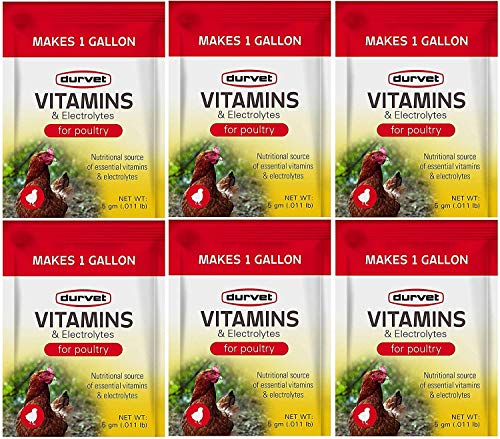
Durvet Durvet Vitamins & Electrolytes for Poultry
An easy vitamin and electrolyte mix to keep molting birds eating, drinking, and resilient.
Handle With Care
Molting birds need gentle treatment. The new feathers, called pin feathers, push out encased in a protective sheath and are supplied with blood while they grow, which makes them tender and sometimes painful. A broken pin feather can bleed. For this reason, molting chickens often dislike being picked up and may act withdrawn or irritable. Handle them as little as possible during the molt, and when you must, do so gently. Keep an eye out for any bleeding feathers and address them if needed. Giving birds space during this sensitive time is part of good molt care.
Keep Stress Low
Molting is already demanding, so minimize additional stress. Avoid introducing new birds to the flock during a molt, since pecking-order disputes are extra hard on a bird channeling its energy into feathers. Keep the environment calm, maintain clean water and good nutrition, and hold off on big changes to housing or routine if you can. A vitamin and electrolyte supplement in the water can help support birds through the period. The less stress a bird faces, the more energy it can devote to growing its new coat.
What to Expect Across the Flock
Molts do not hit every bird identically. They tend to cluster in late summer and fall, but individual chickens start at different times, so you may see some birds looking ragged while others appear untouched. First-year pullets that started laying the previous spring often skip a heavy molt their first fall. Older hens usually molt more noticeably and may take longer. Some birds have a fast, dramatic hard molt, while others molt slowly and gradually. All of this variation is normal across a mixed-age flock.
The Takeaway
Molting looks dramatic but is a healthy, natural part of the chicken year. Your flock is shedding worn feathers and growing a fresh coat for the season ahead, and the laying pause is normal and good for them. Support the molt by raising dietary protein, keeping stress low, handling birds gently around their tender pin feathers, and providing clean water and good nutrition. Give it the 8 to 12 weeks it takes, and your chickens will emerge in glossy new feathers, ready to lay again as the days lengthen.
Editor's Pick · Affiliate link
An Automatic Coop Door, the Upgrade Keepers Regret Waiting On
Nearly every predator loss happens because a door was open at dusk or dawn. An automatic opener closes on a light sensor or timer whether or not you are home, which is the single biggest reduction in risk available to a small flock.
Frequently Asked Questions
What is molting in chickens?
Molting is the natural process where chickens shed old, worn feathers and grow new ones, usually once a year in late summer or fall. It is triggered mainly by shortening daylight. During a molt birds can look ragged or patchy and often stop laying, since the protein and energy that would go into eggs is redirected into growing feathers. It is normal, healthy, and temporary, lasting roughly 8 to 12 weeks.
Why do chickens stop laying when they molt?
Feathers are mostly protein, and growing a whole new set is demanding. A hen's body diverts protein and energy from egg production to feather regrowth, so most hens slow down or stop laying entirely during a molt. This is a natural rest and is good for their long-term health. Laying typically resumes once the new feathers are mostly grown in and the days begin to lengthen again.
How can I help my chickens through a molt?
Boost protein, reduce stress, and handle them gently. Switch to or supplement with a higher-protein feed, since feathers are made of protein, and offer protein-rich treats in moderation. Keep stress low by avoiding flock changes, and handle birds carefully because new pin feathers are tender and blood-filled. Provide clean water, consider a vitamin and electrolyte supplement, and give them time. Good nutrition speeds recovery.
What should I feed chickens during molting?
Raise the protein level. Layer feed is usually around 16 percent protein, but molting birds benefit from more, often 18 to 20 percent, to fuel feather regrowth. You can switch to a higher-protein feather-fixer or grower-type feed during the molt, or supplement with protein-rich extras in moderation. Keep grit available and continue offering calcium for any birds still laying. Return to layer feed once the molt finishes.
Are pin feathers painful for chickens?
New feathers, called pin feathers, emerge encased in a protective sheath and are supplied with blood while they grow, which makes them tender and sensitive. A broken pin feather can bleed. This is why molting birds often dislike being handled and may act withdrawn. Handle them gently and minimally during a molt, and keep an eye out for any bleeding feathers, which you can address if needed.
How long does a chicken molt last?
A typical molt lasts about 8 to 12 weeks from start to finish, though it varies by bird. Some chickens have a quick, hard molt that drops many feathers fast and regrows them quickly, while others have a slow, gradual molt that is less dramatic but lasts longer. Older birds often molt more heavily. Once the new feathers are in and daylight lengthens, hens usually return to laying.
Do all chickens molt at the same time?
Not exactly, though molts often cluster in late summer and fall when daylight shortens. Individual birds start at different times, and first-year pullets that began laying the previous spring often skip a heavy molt their first fall. Older hens tend to molt more noticeably. You may see some birds raggedy while others look fine, which is perfectly normal across a mixed-age flock.
Need more help with your flock?
Browse our guides by topic to find practical solutions.
Wellness Planner: $39