Keeping Chickens Cool in Summer and Preventing Heat Stress
Chickens are far more sensitive to heat than cold. Learn to keep your flock cool with shade, cool water, airflow, electrolytes, and how to spot and treat heat stress fast.
New keepers often worry most about winter, but for chickens the dangerous season is summer. Birds tolerate cold remarkably well, yet they cannot sweat and struggle to shed heat, which makes high temperatures far more threatening than freezing ones. Heat stress can become deadly quickly, especially for heavy, well-feathered breeds. The reassuring news is that with shade, cool water, good airflow, and a watchful eye, you can keep your flock safe and comfortable through even a brutal heat wave. This guide shows you how, and how to recognize trouble before it turns serious.
Backyard Chicken Keepers Planner
Track your chicken's health, meds, vet visits, mobility, nutrition, and quality of life, all in one printable planner.
Why Heat Is So Dangerous for Chickens
Chickens have no sweat glands. They cool themselves mainly by panting and by holding their wings out to release heat, which are far less effective than sweating. Their feathers, such an asset in winter, work against them in summer by holding warmth in. Heavy breeds and heavily feathered birds suffer soonest. As temperatures climb into the high 80s and beyond, especially with humidity, birds start to struggle, and sustained heat in the 90s becomes genuinely dangerous. This is the opposite of the cold-hardiness chickens are known for, and it means summer is when your active intervention matters most.
The Three Essentials: Shade, Water, Airflow
Shade
Birds need access to deep shade all day, not just in the morning. Track how the sun moves across your yard and make sure there is shaded ground at every hour. Trees, shade cloth, tarps, and the shadow of the coop all work. Avoid letting the coop itself turn into an oven: a closed, sun-baked coop can be hotter than outside, so good ventilation and shade over the structure matter too.
Cool, Constant Water
Chickens drink far more in heat, and cool water encourages them to keep drinking. Keep waterers in the shade, refresh them often, and add ice or frozen water bottles to keep the water cool through the day. Provide multiple water stations so no bird goes without, especially in a larger flock. Constant access to cool, fresh water is the single most important thing you can do in summer.
Airflow
Moving air helps birds shed heat. Maximize ventilation in the coop, open it up for cross-breeze, and consider a fan to move air through on still, hot days. Good airflow in the run and coop makes a real difference during a heat wave.
Summer Cooling and Hydration Support

Sav-A-Chick Sav-A-Chick Poultry Electrolyte & Vitamin Supplement
Add to water during heat waves to support hydration and help birds through heat stress.
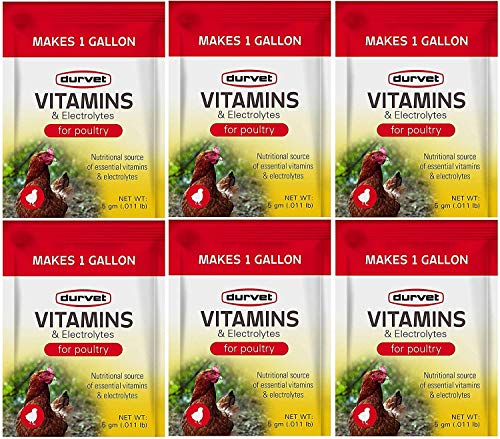
Durvet Durvet Vitamins & Electrolytes for Poultry
An easy electrolyte and vitamin mix to keep the flock drinking and resilient in the heat.
Large Capacity Poultry Waterer
Extra water capacity and stations keep cool water available all day during hot weather.
Recognizing Heat Stress
Catching heat stress early can save a bird's life. Watch for these signs:
- Panting: Open-beak breathing, the most common early sign.
- Wings held out: Birds hold their wings away from the body to release heat.
- Pale or droopy comb: A sign the bird is struggling to cool itself.
- Lethargy: Standing still, lying down spread out, reduced eating and movement.
- Severe signs: Staggering, unresponsiveness, or collapse, which is an emergency.
If you see these signs, act immediately: move the bird to shade, offer cool water with electrolytes, and gently cool it, for example by misting or by placing it briefly in shallow cool water up to the legs. Severe heat stress can be fatal, so do not wait to see if it passes.
Smart Summer Habits
Beyond the essentials, a few habits help your flock through the hottest stretches. Offer frozen treats such as frozen fruit, vegetables, or herbs for hydration and a cool snack. Provide shallow pans of cool water for birds to stand in, since they release heat through their feet. Feed during the cooler morning and evening hours when birds eat more. Avoid handling or moving birds during the hottest part of the day, which adds stress. Keep dust-bathing areas available, as birds use them to regulate temperature. Small adjustments add up to a much more comfortable flock.
The Takeaway
Summer, not winter, is the season that demands your attention, because chickens are far more vulnerable to heat than to cold. Provide deep shade all day, cool and constant water, and good airflow, support birds with electrolytes during heat waves, and learn the signs of heat stress so you can act fast. Adjust your routines to the cooler hours and offer frozen treats and foot-cooling water. Do this and your flock will ride out even a severe heat wave safely, panting a little but healthy and hydrated.
Editor's Pick · Affiliate link
An Automatic Coop Door, the Upgrade Keepers Regret Waiting On
Nearly every predator loss happens because a door was open at dusk or dawn. An automatic opener closes on a light sensor or timer whether or not you are home, which is the single biggest reduction in risk available to a small flock.
Frequently Asked Questions
Are chickens more sensitive to heat or cold?
Heat, by a wide margin. Chickens tolerate cold well thanks to their feathers, but they cannot sweat and struggle to shed heat, so high temperatures are far more dangerous to them than cold. Heat stress can become deadly, especially for heavy breeds and birds with lots of feathering. Summer care, not winter care, is when most keepers need to actively protect their flock from the weather.
What temperature is too hot for chickens?
Chickens start to feel heat stress as temperatures climb into the high 80s Fahrenheit, and conditions above the low 90s, especially with high humidity, become genuinely dangerous. Heavy breeds and well-feathered birds struggle sooner. There is no single hard cutoff, since humidity, shade, airflow, and the individual bird all matter, but treat any sustained heat in the 90s as a situation that requires active cooling measures.
How do I cool down my chickens in hot weather?
Provide constant cool, fresh water, deep shade, and good airflow, and reduce activity during the hottest hours. Add cool water sources, shallow pans for them to stand in, and frozen treats like frozen fruit or vegetables. A fan can move air in the coop. Make sure shade is available all day as the sun moves. The combination of shade, hydration, and airflow is what keeps birds safe in heat.
What are the signs of heat stress in chickens?
Watch for panting with the beak open, wings held out and away from the body, pale or droopy combs, lethargy, reduced eating, and birds standing still or lying down spread out. In severe cases a bird may stagger or collapse. These are signs to act fast: move the bird to shade, offer cool water with electrolytes, and gently cool it. Heat stress can be fatal, so do not wait.
Do electrolytes help chickens in the heat?
Yes. Poultry electrolyte and vitamin supplements added to drinking water help replace what birds lose during heat stress and encourage them to keep drinking, supporting recovery and resilience in hot weather. They are a useful tool during heat waves and for birds showing early heat stress. Always provide plain water as well, and follow the product's mixing directions rather than over-concentrating the solution.
Should I give chickens cold water in summer?
Cool water is ideal and encourages drinking, which is essential in heat. Keep waterers in the shade so the water does not get warm, refresh it often, and consider adding ice or frozen water bottles to keep it cool through the day. Multiple water stations help, since birds drink far more in hot weather. Constant access to cool, fresh water is the single most important thing in summer.
Does laying slow down in hot weather?
It can. Heat-stressed hens often eat less and may lay fewer or thinner-shelled eggs, since heat affects both appetite and calcium use. Keeping birds cool, hydrated, and well fed helps maintain production. Offering feed during the cooler morning and evening hours, when birds eat more, also helps. Expect some natural dip during heat waves, and focus on keeping the flock safe rather than pushing for eggs.
Need more help with your flock?
Browse our guides by topic to find practical solutions.
Wellness Planner: $39