Do Chickens Need a Heat Lamp? The Honest Answer
Adult chickens almost never need a heat lamp, and heat lamps are a leading cause of coop fires. Learn safer alternatives, when heat is justified, and what chicks really need.
Every fall, the same question comes up: do chickens need a heat lamp for winter? It is one of the most important questions a keeper can ask, because the common answer, reaching for a heat lamp, is usually both unnecessary and genuinely dangerous. Adult chickens are cold-hardy, and far more flocks are lost to heat-lamp fires than to cold itself. This guide gives you the honest answer for adult birds, explains the real risks, covers the narrow cases where heat is justified, and points you to the safer alternatives, including what your baby chicks actually need.
Backyard Chicken Keepers Planner
Track your chicken's health, meds, vet visits, mobility, nutrition, and quality of life, all in one printable planner.
The Short Answer: Almost Never
For adult chickens in nearly all climates, the answer is no. Chickens are built for cold. Their down feathers trap warm air against the body, they tuck their feet and heads in to conserve heat, and cold-hardy breeds handle freezing and even sub-zero nights in a dry, draft-free coop. What harms chickens in winter is not the cold, it is moisture, drafts, and the frostbite they cause. Adding a heat lamp does nothing to fix those problems and introduces serious new ones. The energy you might spend on heat is far better spent on ventilation, dry bedding, and draft control.
Why Heat Lamps Are So Risky
Heat lamps are a leading cause of coop fires, and the reason is simple physics. The bulbs run extremely hot, the coop is full of dry bedding and feathers, and all it takes is a startled bird, a gust of wind, or a failed clamp to send the lamp into the litter. Fires spread fast and often kill the entire flock and destroy the coop. Beyond fire, heat lamps create dependence: birds acclimated to artificial warmth are dangerously cold if the power fails during a cold snap, exactly when they most need their natural cold tolerance. For most keepers, the risks far outweigh any benefit.
The Problem With Heating the Whole Coop
Some keepers try to heat the entire coop. This causes the same acclimation problem on a larger scale. Birds kept artificially warm never develop their full cold tolerance, feel the cold sharply whenever the heat is off, and are at real risk if the power fails. A heated coop can also worsen condensation and give a false sense of security that lets ventilation and bedding slip. Chickens do best adjusting naturally to seasonal cold in a dry, draft-free environment, not leaning on heat they could suddenly lose.
Safer Alternatives When You Truly Need Heat
For Chicks: A Brooder Heat Plate
Baby chicks are the real exception, since they cannot regulate their temperature and genuinely need warmth in a brooder. The safest modern option is a brooder heat plate, which the chicks nestle under much as they would a mother hen. It provides contact warmth without an open, blazing bulb, drastically reducing fire risk and the chance of overheating. Start chicks around 95 degrees Fahrenheit in week one and reduce by about five degrees each week until they are feathered.
For Adults in Extreme Cold: A Radiant Panel
In the narrow cases where adult birds genuinely need supplemental heat, very young or non-cold-hardy birds, sick or injured birds, or truly extreme conditions, a flat-panel radiant heater is far safer than a heat lamp. It runs at a much lower surface temperature and is far less likely to ignite bedding. Mount it securely away from flammable surfaces, follow the instructions, and treat it as a backup for extreme cold, not a constant crutch.
Safer Heat Alternatives

RentACoop RentACoop Brooder Heating Plate
The safe way to warm chicks: they nestle underneath like under a hen, no open bulb.
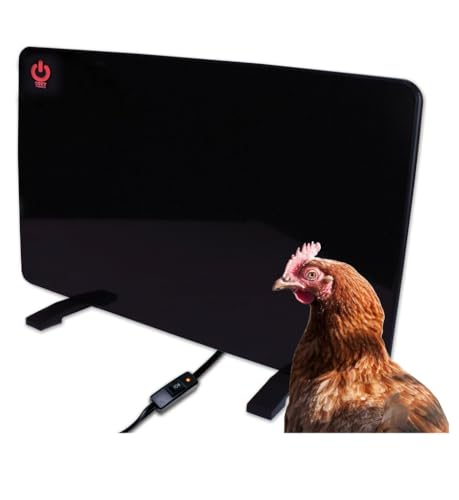
Cozy Products Cozy Coop Flat-Panel Radiant Heater
A lower-temperature radiant panel for extreme cold, far safer than a heat lamp.
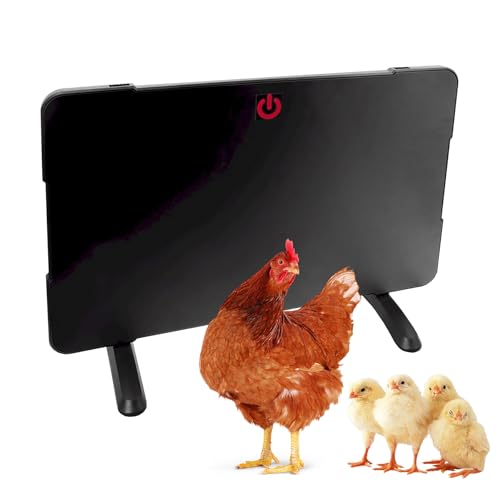
Farm Innovators Farm Innovators 2-in-1 Radiant Coop Heater
An adjustable radiant coop panel for cold-climate keepers who need a backup heat source.
What to Do Instead of Reaching for Heat
- Ventilate up high: Keep high vents open all winter to carry away the moisture that causes frostbite.
- Block low drafts: Keep roost-level walls solid so cold air does not blow across sleeping birds.
- Keep bedding dry: Dry, deep bedding controls humidity and adds a little warmth.
- Provide unfrozen water: A heated waterer keeps birds hydrated, which matters more than air temperature.
- Use wide roosts: Flat roosts let birds cover their feet and share warmth together.
The Takeaway
Do chickens need a heat lamp? For adult birds, the honest answer is almost never, and the fire risk makes heat lamps a poor choice even when warmth seems tempting. Trust your flock's natural cold tolerance and put your effort into a dry, ventilated, draft-free coop with unfrozen water. Reserve supplemental heat for genuine exceptions like chicks, which do best with a brooder heat plate, or extreme cold, which calls for a safer radiant panel. Choose safety and dryness over heat, and your flock will thank you for it.
Editor's Pick · Affiliate link
An Automatic Coop Door, the Upgrade Keepers Regret Waiting On
Nearly every predator loss happens because a door was open at dusk or dawn. An automatic opener closes on a light sensor or timer whether or not you are home, which is the single biggest reduction in risk available to a small flock.
Frequently Asked Questions
Do adult chickens need a heat lamp in winter?
In almost all cases, no. Adult chickens are cold-hardy and tolerate freezing weather well in a dry, draft-free coop. Heat lamps are usually unnecessary and carry serious risks, including coop fires and birds that cannot acclimate to the cold. Far more flocks are lost to heat-lamp fires than to cold. For grown birds, focus on ventilation, dry bedding, and draft control instead of adding heat.
Why are heat lamps dangerous in a chicken coop?
Heat lamps are a leading cause of coop fires. A bird, a gust, or a failed clamp can knock the lamp into dry bedding, which ignites fast, often destroying the coop and the flock. The bulbs run extremely hot and can shatter if splashed. They also leave birds dependent on the heat and dangerously cold if the power fails. The fire risk alone makes them a poor choice for most keepers.
What should I use instead of a heat lamp?
For the rare cases that genuinely need warmth, a flat-panel radiant heater is far safer than a heat lamp, since it runs at a lower surface temperature and is much less likely to start a fire. For baby chicks, a brooder heat plate is the safest modern option, mimicking a mother hen's warmth without an open bulb. For adult birds in most climates, the best answer is no added heat at all.
Do baby chicks need heat?
Yes. Unlike adults, chicks cannot regulate their body temperature and need supplemental warmth in a brooder, starting around 95 degrees Fahrenheit in the first week and dropping about five degrees each week until they are feathered. The safest way to provide it is a brooder heat plate, which the chicks nestle under like they would a hen. Heat lamps work but carry fire risk and can overheat chicks.
Will a heated coop hurt my chickens?
It can. A heated coop prevents birds from acclimating to the cold, so they feel it much more on any day the heat is off and are at serious risk if the power fails during a cold snap. It can also create condensation problems and a false sense of security. Chickens do better adjusting naturally to seasonal cold in a dry, draft-free coop than relying on artificial heat they could suddenly lose.
When is supplemental heat actually justified?
Supplemental heat makes sense in a few narrow cases: baby chicks in a brooder, sick or injured birds that cannot maintain temperature, very young or non-cold-hardy birds, or genuinely extreme conditions far below a breed's tolerance. Even then, use the safest option available, a heat plate for chicks or a flat-panel radiant heater for adults, and never let heat mask a damp or drafty coop.
If I do use a heater, how do I use it safely?
Choose a flat-panel radiant heater designed for coops rather than a heat lamp, mount it securely away from bedding and flammable surfaces, follow the manufacturer's instructions, and use an outlet and cords rated for the load. Keep it as a backup for extreme cold, not a constant crutch, and maintain good ventilation and dry bedding regardless. Safety and dryness always come before warmth.
Need more help with your flock?
Browse our guides by topic to find practical solutions.
Wellness Planner: $39