Foxes and Chickens: Keeping Your Flock Safe From Foxes
Foxes dig, climb, and carry chickens off whole. Learn to recognize a fox attack and stop them with dig barriers, electric poultry netting, and a sealed coop at night.
Foxes are the classic chicken thief of folklore, and for good reason. They are intelligent, fast, persistent, and equipped to both dig under fences and slip over low barriers. A fox that discovers your flock will return again and again, probing for any weakness, and it can empty a coop over a few nights if your defenses have a gap. But foxes are also very beatable with the right setup. This guide explains how foxes hunt, how to recognize their work, and the specific defenses that keep them out for good.
Backyard Chicken Keepers Planner
Track your chicken's health, meds, vet visits, mobility, nutrition, and quality of life, all in one printable planner.
How Foxes Hunt Chickens
Foxes are most active at dawn, dusk, and through the night, though a bold fox, especially a parent feeding kits in spring, will hunt in daylight too. They are excellent diggers and will tunnel under an unprotected run wall. They can also jump and scramble over low fencing. When a fox succeeds, it usually carries the bird off whole, which is why a fox attack often leaves nothing behind but scattered feathers and a missing hen. They are smart enough to remember a productive food source and persistent enough to keep testing your setup, so a single weak point is all they need.
Recognizing a Fox Attack
Two clues point strongly to a fox. First, birds vanish entirely, with no body to find, since foxes carry prey away. You might see a feather trail leading off toward cover. Second, you find digging under the run wall or fence line. A fox may also kill more than one bird and cache or remove them. If you are losing birds without a trace and seeing fresh digging at the perimeter, treat it as a fox and harden the run and coop right away.
The Three Defenses That Stop Foxes
1. A Dig-Proof Run
Because foxes dig, the base of your run is critical. Add a hardware cloth apron: lay a 12 to 18 inch strip of half-inch hardware cloth flat on the ground along the outside of the run wall and pin it with landscape staples or weigh it with pavers. Grass grows through and hides it within weeks. When the fox digs at the wall, it hits the apron and quits. Alternatively, bury fencing about 12 inches deep. Make sure run walls are tall enough and, ideally, covered, since foxes can climb low barriers.
2. Electric Poultry Netting
For a free-range area or a movable run, electric poultry netting is one of the single most effective fox deterrents. A properly powered, grounded fence delivers a sharp shock that teaches a fox to stay away after one encounter, and the lesson tends to stick. It is portable, so you can rotate range areas or expand outdoor space while keeping foxes out. Keep the fence energized, grounded, and clear of grass that could short it out.
3. A Sealed Coop at Night
Most fox attacks happen in low light, so locking the flock into a secure, sealed coop from dusk to dawn removes the bulk of the risk. Seal openings with hardware cloth, use secure latches, and consider an automatic door so the birds are shut in reliably every night, even when you are away. A fox cannot take what it cannot reach.
Fox Defense Gear
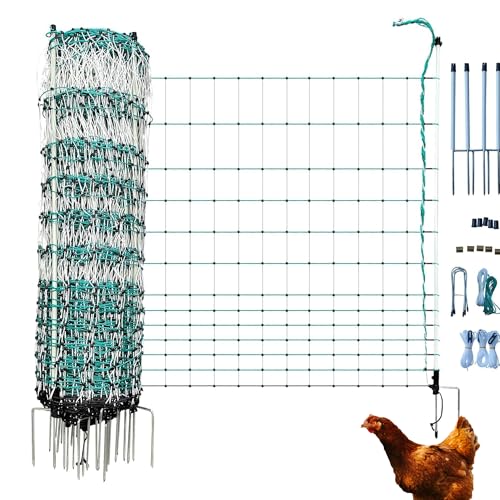
RentACoop Electric Poultry Netting, 48 in x 168 ft
Portable electrified fence that teaches foxes and coyotes to keep their distance.

GoldPeak Half-Inch Hardware Cloth, 48 in x 100 ft
Use it for a buried dig apron and to seal coop openings against a digging, persistent fox.

nolonly Automatic Coop Door with Light Sensor
Shuts the flock in at dusk, exactly when foxes start to hunt.
Reduce What Attracts Foxes
Like all predators, foxes are drawn by food and opportunity. Keep feed in sealed metal containers, avoid leaving food out overnight, collect eggs daily, and remove brush piles and cover near the coop that a fox could use to approach unseen. A tidy, well-managed yard with no easy food gives a fox less reason to keep visiting. Solar predator lights can add a deterrent layer at night, though they should never replace solid fencing.
The Takeaway
Foxes are cunning and persistent, but the formula to stop them is well proven: a dig-proof run with a hardware cloth apron, electric poultry netting around any range area, and a sealed coop locked tight every night. Layer these so that every route a returning fox tries is already blocked, remove food attractions, and stay alert at dawn and dusk when foxes hunt most. With a determined, layered setup, you can keep even the craftiest fox out and your flock safe.
Editor's Pick · Affiliate link
An Automatic Coop Door, the Upgrade Keepers Regret Waiting On
Nearly every predator loss happens because a door was open at dusk or dawn. An automatic opener closes on a light sensor or timer whether or not you are home, which is the single biggest reduction in risk available to a small flock.
Frequently Asked Questions
How do I keep foxes away from my chickens?
The most effective defenses are a secure, dig-proof run, electric poultry netting around any range area, and locking the flock into a sealed coop at night. Foxes both dig under fencing and jump or climb low barriers, so you need a buried apron or dig barrier plus enough height. Electric netting is especially effective because the shock teaches a fox to stay away after a single encounter.
What does a fox attack on chickens look like?
Foxes typically carry a bird off whole, often leaving little behind but scattered feathers and sometimes a trail. You may lose a bird with no body to find. A fox may also kill more than one bird and cache or carry them away. Digging under the run wall is a strong sign of a fox or dog. Birds vanishing without a trace, combined with digging, points squarely to a fox.
Do foxes hunt chickens during the day?
Foxes are most active at dawn, dusk, and night, but a bold or hungry fox, especially one feeding kits in spring, will hunt in broad daylight. Do not assume daytime free-ranging is safe in an area with foxes. The risk is highest at dawn and dusk, so be especially careful about lock-up timing and supervise any daytime ranging if foxes are active nearby.
How deep can a fox dig under a fence?
Foxes are capable diggers and will tunnel under a run wall that lacks a barrier, sometimes going down a foot or more. The reliable fix is a hardware cloth apron: lay a 12 to 18 inch skirt flat on the ground along the outside base of the run and pin it down, or bury fencing about 12 inches deep. When the fox digs at the wall and hits the buried mesh, it gives up.
Does electric poultry netting really stop foxes?
Yes, electric netting is one of the best fox deterrents available. A properly powered fence delivers a sharp, memorable shock that teaches a fox to avoid the area after one contact. It is portable, so you can protect a movable run or rotating range. Just keep it properly energized, grounded, and free of grass shorting it out, and make sure the netting is rated for poultry and predators.
Will a fox come back after a failed attempt?
Often, yes. Foxes are intelligent and persistent, and once they identify a flock as a food source they will probe for weaknesses repeatedly. This is why one good defense is rarely enough. A fox that fails at the dig barrier may try to climb, and one turned away by electric netting may test the coop. Layer your defenses so that every route a returning fox tries is already closed.
Do guardian animals deter foxes?
They can. Livestock guardian dogs are very effective against foxes, and donkeys, llamas, or even geese can help on larger properties. For a typical backyard flock, though, secure fencing, electric netting, and a sealed coop usually solve the problem at far lower cost and effort. Consider a guardian animal only if you have heavy, ongoing fox pressure that hardware has not resolved.
Need more help with your flock?
Browse our guides by topic to find practical solutions.
Wellness Planner: $39