Why Is My Chicken Sneezing?
Chickens sneeze from dust and irritation or from respiratory infections. Learn to tell harmless sneezing from contagious disease, what to do, and when to call a vet.
You are out filling the feeder when you hear it: a tiny chicken sneeze. Then another. Is it nothing, or is it the start of something that could sweep through your whole flock? Sneezing is one of those symptoms that sits right on the line between harmless and serious, so it pays to know how to read it.
An occasional sneeze in a single, otherwise healthy chicken is usually just dust or irritation and nothing to worry about. Repeated sneezing, especially in more than one bird or alongside nasal discharge, watery or bubbly eyes, rattling breath, or a swollen face, points to a respiratory infection that needs prompt attention. The difference between a dusty nose and a contagious disease comes down to the other signs and how many birds are affected.
Respiratory Support
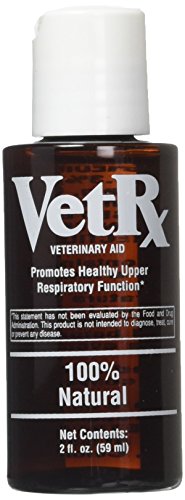
Time-tested remedy keepers use to ease minor respiratory and congestion symptoms.

Sav-A-Caf Sav-A-Chick Electrolyte & Vitamin Supplement
Vitamins and electrolytes to support a recovering bird's hydration and immunity.

Equa Holistics Equa Holistics HealthyGut Probiotics
Digestive and immune support to help a stressed, sick bird recover.
Common causes, most likely first
Dust and environmental irritation
The most common and least worrying cause is simple dust. Chickens spend their days scratching in dirt, dust bathing, and rooting through bedding, and they regularly get particles up their nostrils. A dusty coop, powdery feed, or fresh shavings can all trigger a few sneezes. If one bird sneezes occasionally, has clear nostrils and bright eyes, and is otherwise acting normal, dust is almost certainly the cause.
Ammonia and poor ventilation
Wet bedding and accumulated droppings release ammonia, which irritates and damages the delicate lining of a chicken's airways. If you can smell ammonia at chicken height, the level is already high enough to harm your birds and predispose them to infection. A damp, poorly ventilated coop is a classic setup for respiratory trouble, especially in winter when keepers seal coops too tight.
Respiratory infections
When sneezing spreads through the flock or comes with other symptoms, suspect an infectious respiratory disease. Common culprits in backyard flocks include infectious bronchitis, mycoplasma gallisepticum, infectious coryza, and infectious laryngotracheitis. These are contagious and bring signs like nasal and eye discharge, watery or foamy eyes, swollen sinuses or face, rattling or gurgling breath, head shaking, coughing, and lethargy. Some, like mycoplasma, can make birds lifelong carriers that flare under stress.
What to do
- Watch closely for a day. Note whether it is one bird or several, and whether other symptoms appear.
- Check the environment first. Reduce dust, clean out wet bedding, and improve ventilation by adding high vents that release damp air without drafting the roost.
- Isolate any bird with clear infection signs to slow the spread and let her rest.
- Support recovery with vitamins and electrolytes in the water, keeping the bird warm, dry, and well fed.
- Many keepers use a poultry remedy like VetRx to ease mild congestion, though it is supportive, not a cure for bacterial disease.
- Quarantine new birds for at least two to four weeks before adding them, since respiratory disease often arrives with new stock.
| Sign | Likely meaning |
|---|---|
| Occasional sneeze, one bird, clear nose | Dust or irritation, monitor |
| Sneezing plus ammonia smell in coop | Ventilation and bedding problem |
| Nasal or eye discharge, swollen face | Respiratory infection, isolate and treat |
| Rattling, gurgling, or open-beak breathing | Serious infection, call a vet |
| Spreading fast through the flock | Contagious disease, biosecurity and vet |
Backyard Chicken Keepers Planner
Track your chicken's health, meds, vet visits, mobility, nutrition, and quality of life, all in one printable planner.
When to worry and call a vet
A single sneeze from a bright, active bird in a dusty run is not a cause for alarm. Clean up the environment, improve airflow, and keep an eye out. Most isolated sneezing resolves with better ventilation and dust control.
Contact a poultry or avian vet, or your local extension office, when sneezing comes with discharge, swollen eyes or face, rattling or open-beak breathing, loss of appetite, or lethargy, and especially when it spreads to multiple birds. Respiratory diseases in poultry are often contagious, sometimes leave lifelong carriers, and require accurate diagnosis because the right treatment depends on the specific pathogen. A vet can identify the disease, advise on antibiotics where bacterial infection is involved, and help you protect the rest of the flock. Catching a respiratory outbreak early gives your birds the best chance of a full recovery.
Editor's Pick · Affiliate link
An Automatic Coop Door, the Upgrade Keepers Regret Waiting On
Nearly every predator loss happens because a door was open at dusk or dawn. An automatic opener closes on a light sensor or timer whether or not you are home, which is the single biggest reduction in risk available to a small flock.
Frequently Asked Questions
Is occasional sneezing in chickens normal?
A little sneezing here and there can be perfectly normal, especially when a chicken gets dust up its nose from foraging, dust bathing, or a dry, dusty coop. A bird that sneezes a few times then goes back to normal, with bright eyes and clear nostrils, is usually fine. The concern is repeated sneezing in multiple birds, or sneezing paired with discharge, rattly breathing, or swollen eyes.
What is the difference between dust irritation and a respiratory infection?
Dust irritation is occasional, affects one bird, clears up quickly, and comes with no other symptoms. A respiratory infection tends to spread through the flock and brings additional signs: nasal or eye discharge, watery or bubbly eyes, rattling or gurgling breath, head shaking, swollen face or sinuses, coughing, and lethargy. If you see those signs, especially in more than one bird, treat it as an infection and act.
How do I improve coop ventilation to prevent respiratory problems?
Good ventilation removes moisture and ammonia while avoiding drafts on roosting birds. Add vents high on the walls near the roofline so stale, damp air escapes above the birds' heads. Keep bedding dry, clean droppings regularly, and never seal the coop tight in winter. Ammonia from wet litter damages the respiratory tract, so if you can smell it at chicken height, you need more airflow and cleaner bedding.
Can respiratory infections spread through my whole flock?
Yes, and quickly. Many poultry respiratory diseases, including infectious bronchitis, mycoplasma, and infectious coryza, are highly contagious and spread through droplets, shared water, and direct contact. Some carriers remain infected for life and can shed the disease under stress. This is why isolating a sneezing bird early and practicing strict biosecurity, especially quarantining new birds, matters so much.
Should I worry if my chicken sneezes in cold weather?
Cold itself does not cause infection, but cold, damp, poorly ventilated coops do raise the risk. Chickens tolerate cold well when they are dry and draft-free, but a damp coop with high ammonia stresses the airways and invites disease. If birds sneeze more in winter, check your ventilation and bedding rather than sealing the coop tighter, which traps moisture and makes things worse.
What home care helps a sneezing chicken?
Isolate the bird to limit spread and reduce stress, keep her warm, dry, and draft-free, and ensure she keeps eating and drinking. Vitamins and electrolytes in the water support recovery, and poultry-specific remedies like VetRx are popular for easing mild congestion. Reduce dust and ammonia in the environment. Supportive care helps, but infections that worsen or involve swelling and discharge need a vet for proper diagnosis and treatment.
When is sneezing an emergency?
Treat it as urgent when a bird is gasping, breathing with an open beak, making loud rattling or gurgling sounds, has a swollen face or sinuses, shows discharge from eyes and nostrils, stops eating, or becomes lethargic. Rapid spread through the flock is also a red flag. These point to a serious respiratory infection that needs prompt veterinary diagnosis, since treatment depends on the specific disease involved.
Need more help with your flock?
Browse our guides by topic to find practical solutions.
Wellness Planner: $39