Signs of a Sick Chicken: How to Spot Illness Early
Chickens hide illness until it is serious. Learn the subtle early warning signs, what droppings and posture reveal, and when a sick chicken is an emergency.
One of the hardest truths of chicken keeping is that chickens are masters at hiding when they feel unwell. As prey animals, they instinctively mask weakness, because in the wild a bird that looks sick is the first one a predator picks off. That survival instinct means a hen can appear perfectly normal in the morning and be gravely ill by evening. The keepers who lose the fewest birds are not the ones with the most medicine on the shelf, but the ones who know their flock so well that they notice the first tiny sign something is wrong.
This guide will help you build that eye. It walks through the subtle early signs of illness, what a chicken's posture and droppings reveal, when a situation becomes an emergency, and the supportive care you can provide while you sort out what is happening. For anything you cannot quickly identify and resolve, a poultry vet or your local extension office is your best ally.
Sick Chicken Care Basics
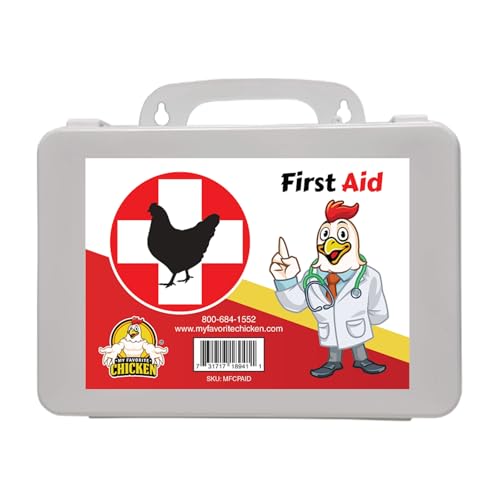
My Favorite Chicken Essential Poultry First Aid Kit
Have wound care and supportive supplies ready before you need them.

Sav-A-Chick Sav-A-Chick Electrolyte & Vitamin Supplement
Hydrates and supports any bird that is stressed, weak, or off-color.

Nutri-Drench Poultry Nutri-Drench
Fast-absorbing energy and nutrients for a bird that has stopped eating.

Vetericyn Vetericyn Plus Poultry Care Spray
No-sting care for wounds, pecking injuries, and irritated skin.
Why early detection is everything
Because chickens hide illness, the window between "slightly off" and "seriously ill" can be alarmingly short. By the time a bird is obviously sick, the underlying problem is often well advanced. This is why daily observation is the single most valuable habit a keeper can develop. Spend a few minutes every morning and evening simply watching your flock go about its business. Learn who rushes to the feeder first, who roosts where, whose comb is the brightest red, and how each bird normally moves and sounds.
Once you know your flock's normal, the abnormal jumps out at you. The hen who hangs back from the morning scramble, the bird who stands alone with her eyes half closed, the one whose comb has gone pale and floppy, all of these are messages. Catching them early gives you time to isolate, support, and treat while the odds are still in your favor.
Subtle early warning signs
The earliest signs of illness are quiet and easy to miss if you are not paying attention. Watch for:
- Standing apart from the flock or lagging behind the group
- Reduced appetite or drinking less than usual
- A hunched, puffed-up posture with fluffed feathers, often to conserve warmth
- Closed, droopy, or watery eyes and a generally dull expression
- A pale, shrunken, or discolored comb and wattles
- Less activity, reluctance to move, or sleeping during the day
- A sudden drop in egg laying
- Quietness in a normally vocal bird, or unusual sounds
None of these alone confirms illness, but a bird showing several deserves a closer look. Pick her up, feel her weight and crop, and check her over from comb to feet.
What droppings tell you
Droppings are one of the most honest health indicators in the coop, and learning to read them pays off. Normal chicken droppings are firm and brown with a white cap of urates, and birds also pass occasional brown, frothy, looser cecal droppings, which are completely normal. Be alert to lasting changes:
- Blood in droppings can signal coccidiosis, especially in young birds, and warrants prompt action.
- Persistent watery diarrhea may indicate infection, parasites, or diet issues.
- Worms visible in the droppings point to an internal parasite burden.
- Bright green or yellow droppings can suggest illness or that a bird is not eating.
Make a habit of glancing under the roost each morning. A sudden, lasting change in droppings, especially alongside other symptoms, is a strong cue to investigate.
When it becomes an emergency
Some signs mean you should act immediately rather than wait and watch. Treat these as emergencies:
| Emergency sign | Possible cause | Immediate action |
|---|---|---|
| Labored or open-mouth breathing | Respiratory disease, gapeworm | Isolate, improve air, call vet |
| Twisted neck, paralysis, tremors | Marek's, vitamin deficiency, toxin | Isolate, call vet urgently |
| Heavy bleeding or open wound | Injury, predator, pecking | Stop bleeding, clean, isolate |
| Straining, penguin stance | Egg binding | Warm soak, calcium, vet if no egg |
| Not eating or drinking at all | Many serious conditions | Support fluids, call vet |
| Swollen, firm abdomen | Reproductive disease, fluid | Veterinary evaluation |
In all of these, time matters. A bird that has stopped eating and drinking can go downhill within a day, so prompt support and a call to your vet make a real difference.
Backyard Chicken Keepers Planner
Track your chicken's health, meds, vet visits, mobility, nutrition, and quality of life, all in one printable planner.
Isolating and supporting a sick bird
When you spot a sick chicken, the first step is almost always to separate her. Move her to a clean, warm, draft-free isolation space away from the flock. This serves three purposes: it protects healthy birds from anything contagious, it lets you monitor her eating, drinking, and droppings closely, and it shields her from being pecked, since flocks often bully a weak member to the point of injury.
While you assess the situation, provide supportive care. Offer clean water with electrolytes to fight dehydration, and tempt her with easy-to-eat, appealing food. A nutrient drench can keep a bird that has gone off feed from crashing while you figure out the cause. Keep her warm and quiet, since warmth and rest support recovery. Supportive care does not replace diagnosis, but it buys precious time and often makes the difference in whether a bird pulls through.
Building your observation habit
Everything in this guide comes back to knowing your birds. Make daily observation a ritual, not a chore. Watch the flock at feeding time, handle your birds regularly to check weight, crop, and feet, and keep a simple log of who is laying and anything that looks off. Have a small kit of basics, wound spray, electrolytes, a nutrient drench, on hand so you are not scrambling when a problem appears at dusk. And establish a relationship with a poultry-savvy vet before you need one, so you have someone to call in a crisis.
Chickens will never tell you outright when they feel unwell. But they show you, in a hundred small ways, if you are watching. Learn your flock's normal, trust the little changes that catch your eye, isolate and support promptly, and lean on your vet for the rest. That attentive eye is the most powerful health tool you will ever have, and it is the heart of keeping a happy, thriving flock.
Editor's Pick · Affiliate link
An Automatic Coop Door, the Upgrade Keepers Regret Waiting On
Nearly every predator loss happens because a door was open at dusk or dawn. An automatic opener closes on a light sensor or timer whether or not you are home, which is the single biggest reduction in risk available to a small flock.
Frequently Asked Questions
What are the first signs that a chicken is sick?
Because chickens hide illness, the earliest signs are subtle: a bird that hangs back from the flock, eats or drinks less, stands hunched with fluffed feathers, or seems quieter than usual. A pale comb, closed or droopy eyes, and reduced activity are common early flags. Knowing each bird's normal behavior is what lets you catch these small changes before they become serious.
Why do chickens hide their illness?
Chickens are prey animals, and in the wild a visibly weak bird is the one a predator targets first. Over millions of years, they evolved to mask pain and sickness to avoid standing out. This instinct persists in backyard flocks, which is why a chicken can look fine one day and gravely ill the next. It also makes daily observation the keeper's single most valuable skill.
What do a sick chicken's droppings look like?
Droppings are a powerful health window. Watch for persistent diarrhea, blood (which can signal coccidiosis), worms, very watery output, or unusual colors like bright green or yellow. Keep in mind that the occasional brown, frothy cecal dropping is normal. A sudden, lasting change in droppings, especially with other symptoms, is a sign to investigate and possibly call a vet.
When is a sick chicken an emergency?
Treat it as an emergency if a bird has labored or open-mouth breathing, neurological signs like a twisted neck or paralysis, heavy bleeding, a swollen abdomen, or has completely stopped eating and drinking. A hen straining with a penguin stance may be egg bound. In these cases, isolate the bird, provide warmth and support, and contact a poultry vet right away, since chickens decline quickly.
Should I separate a sick chicken from the flock?
Yes. Isolate any bird showing signs of illness in a clean, warm, draft-free space away from the others. This protects the flock from contagious disease, lets you monitor eating, drinking, and droppings closely, and shields the sick bird from being pecked, since flockmates often bully a weak member. Keep her isolated until you understand the issue and she has fully recovered.
What can I do for a sick chicken at home?
Provide supportive care: a warm, quiet isolation space, clean water with electrolytes, and easy-to-eat, appealing food. A nutrient drench helps a bird that is off feed. Keep her warm and calm while you assess the situation. Supportive care buys time and aids recovery, but it does not replace diagnosis, so loop in a vet for anything you cannot quickly identify and resolve.
How can I catch illness in my flock earlier?
Build a daily observation habit. Spend a few minutes morning and evening watching who eats first, whose comb is bright, how everyone moves, and what the droppings look like. Handle birds regularly to check weight, crop, and feet. Keep a simple flock log of laying and anything unusual. The keepers who know their birds' normal are the ones who spot the abnormal in time to act.
Need more help with your flock?
Browse our guides by topic to find practical solutions.
Wellness Planner: $39