Mites and Lice on Chickens: How to Spot and Treat Them
External parasites torment backyard flocks. Learn how to check for mites and lice, treat birds and the coop with permethrin, and prevent reinfestation.
Mites and lice are among the most common nuisances in backyard chicken keeping, and nearly every flock deals with them at some point. These external parasites cause itching, feather damage, stress, and reduced laying, and in heavy infestations the blood-feeding kinds can even kill birds through anemia. The good news is that with regular inspections and the right treatment, mites and lice are very manageable. The key is catching them early and treating both the birds and their environment.
This guide explains how to tell mites and lice apart, how to check your flock, how to treat an infestation effectively, and how to keep these pests from returning. Always confirm product choices and dosing with a poultry vet or your local extension office, since correct application makes the difference between solving the problem and prolonging it.
Parasite Treatment Essentials
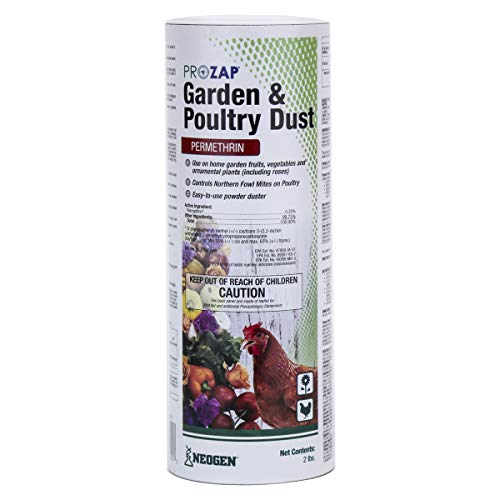
Neogen Prozap Garden & Poultry Dust
Permethrin dust for treating mites and lice on birds and in coop crevices.

Vetericyn Vetericyn Plus Poultry Care Spray
Soothes and protects scabby, irritated skin from parasite damage.

Sav-A-Chick Sav-A-Chick Electrolyte & Vitamin Supplement
Supports birds weakened by anemia from blood-feeding mites.
Mites versus lice: knowing your enemy
Lice are pale, six-legged insects that live on the bird full time. They do not suck blood; instead they feed on skin scales and feather debris. You will spot them as fast-moving straw-colored insects near the skin, along with clusters of whitish eggs, called nits, glued to the base of feather shafts, especially around the vent.
Mites are tiny eight-legged arachnids, and they come in a few important types. The northern fowl mite lives on the bird and feeds on blood, leaving dark, dirty-looking buildup around the vent. The red roost mite is sneakier: it hides in cracks and crevices of the coop during the day and emerges at night to feed on roosting birds, then retreats. Scaly leg mites burrow under the leg scales, causing raised, crusty, deformed scales on the legs and feet. Because their habits differ, your treatment has to match the parasite.
How to inspect your flock
Routine inspection is the best defense. Pick up a few birds during regular handling and look closely:
- Part the feathers around the vent, under the wings, and at the base of the tail, where parasites concentrate.
- Look for moving insects, dark specks, or clumps of eggs on feather shafts.
- Inspect the legs for raised, crusty scales that signal scaly leg mites.
- For red roost mites, check the coop at night with a flashlight, looking along roost undersides and in cracks.
Watch for behavioral and physical clues too: excessive scratching and preening, feather loss or damage, scabby skin, pale combs and wattles from blood loss, a drop in egg production, and birds that seem reluctant to go into the coop at night, which can indicate roost mites are biting them there.
Treating an infestation
Effective treatment usually means tackling both the birds and the environment. For the birds, a poultry-labeled permethrin dust or spray is the common choice. Apply it thoroughly to the vent area, under the wings, and the base of the tail, working it down to the skin. Because these products kill crawling parasites but not all eggs, a second treatment after about 7 to 10 days is essential to catch newly hatched mites or lice before they mature and lay more eggs.
For red roost mites, treating the birds alone will fail, because the mites live in the coop. You must also clean and treat roosts, nest boxes, and every crack and crevice where they hide. Remove and replace bedding, scrub surfaces, and dust or spray the structure. For scaly leg mites, smothering the legs with a safe oil-based barrier helps suffocate the burrowing mites, repeated over several weeks as new scales grow in.
Food-grade diatomaceous earth is popular for dust baths and crevices, but it only works when completely dry and is unreliable on its own against an active infestation. Use it as a preventive supplement rather than your main treatment, and apply it carefully to avoid respiratory dust.
| Parasite | Where it lives | Treatment focus |
|---|---|---|
| Lice | On the bird, eggs on feathers | Dust the bird, repeat in 7 to 10 days |
| Northern fowl mite | On the bird, around the vent | Dust the bird, repeat treatment |
| Red roost mite | Coop cracks, feeds at night | Treat birds and the coop thoroughly |
| Scaly leg mite | Under leg scales | Oil barrier on legs, repeat over weeks |
Backyard Chicken Keepers Planner
Track your chicken's health, meds, vet visits, mobility, nutrition, and quality of life, all in one printable planner.
Supporting affected birds
Heavy infestations take a toll. Blood-feeding mites can cause anemia, leaving birds weak with pale combs, and this is especially dangerous for chicks, broody hens who stay on the nest, and any already-weakened bird. While you clear the parasites, support recovering birds with good nutrition, electrolytes, and vitamins to help rebuild their strength. Treat scabby or irritated skin gently to help it heal and prevent secondary infection. A broody hen sitting in a mite-infested nest deserves particular attention, since she is a captive meal for roost mites.
Preventing mites and lice
Prevention starts with giving chickens the tools they use naturally. A dry dust-bathing area, a patch of loose dry soil or a dedicated box, lets birds coat their feathers in dust and smother parasites themselves. Keep the coop clean and dry, since damp, dirty conditions favor parasites, and clean nest boxes and roosts regularly.
Inspect your birds often so you catch problems early, and treat at the first sign rather than waiting. Quarantine every new bird for 30 days before adding it to the flock, since new arrivals are a top source of parasites. Finally, discourage wild birds and rodents around the coop, since they carry mites and lice that drop into your setup. A little routine vigilance keeps these pests from ever becoming a crisis.
Mites and lice are an almost universal part of keeping chickens, but they do not have to be a serious problem. Inspect regularly, treat both the birds and the coop thoroughly, repeat treatments to break the life cycle, and lean on prevention through dust baths and cleanliness. With those habits, your flock stays comfortable, healthy, and productive all year long.
Editor's Pick · Affiliate link
An Automatic Coop Door, the Upgrade Keepers Regret Waiting On
Nearly every predator loss happens because a door was open at dusk or dawn. An automatic opener closes on a light sensor or timer whether or not you are home, which is the single biggest reduction in risk available to a small flock.
Frequently Asked Questions
How do I know if my chickens have mites or lice?
Part the feathers around the vent, under the wings, and at the base of the tail and look closely at the skin and feather shafts. Lice are pale, fast-moving insects with clumps of eggs glued to feather bases. Mites are tiny dots, often red or dark after feeding. Other clues include scratching, feather damage, scabby skin, pale combs, drops in laying, and birds reluctant to roost where red mites hide.
What is the difference between mites and lice on chickens?
Lice live on the bird full time, feed on skin and feather debris, and lay egg clusters at the base of feathers. Mites are tiny arachnids, and some, like the red roost mite, live in coop cracks and only come out at night to feed on blood. Northern fowl mites live on the bird. Both cause irritation, but blood-feeding mites can cause dangerous anemia, especially in heavy infestations.
How do I treat mites and lice on chickens?
A poultry-labeled permethrin dust or spray applied to the birds is the common approach, focusing on the vent, under the wings, and the tail base, and repeated after about 7 to 10 days to catch newly hatched parasites. For red roost mites, you must also treat the coop, since they hide in cracks. Clean and dust nest boxes, roosts, and crevices thoroughly. Confirm products and timing with your vet or extension office.
Will diatomaceous earth get rid of chicken mites?
Food-grade diatomaceous earth can help reduce parasites and is popular for dust baths and coop crevices, but it works only when completely dry and is not reliable as a sole treatment for an active infestation. It also creates respiratory dust, so use it carefully. For an established mite or lice problem, a proven permethrin product applied correctly is more dependable.
Where do chicken mites and lice come from?
Wild birds and rodents are the most common sources, since they carry parasites that drop into coops and runs. New birds added without quarantine can also bring them in. Mites and lice spread quickly in warm weather and in crowded or dirty conditions. Quarantining new birds and discouraging wild birds and rodents around the coop greatly reduces your risk.
Can mites and lice kill chickens?
Yes, heavy infestations can. Blood-feeding mites like the red roost mite can cause severe anemia, weakness, and death, especially in chicks, broody hens stuck on the nest, and weakened birds. Even non-blood-feeding lice cause stress, weight loss, reduced laying, and skin damage. This is why regular inspections and prompt treatment matter for the whole flock's health.
How do I prevent mites and lice in my flock?
Provide a dry dust-bathing area, since dust bathing is a chicken's natural parasite defense. Keep the coop clean and dry, inspect birds regularly during handling, and treat at the first sign of parasites. Quarantine new birds for 30 days, control rodents and wild birds, and keep nest boxes and roosts clean. Routine attention prevents most infestations from ever getting out of hand.
Need more help with your flock?
Browse our guides by topic to find practical solutions.
Wellness Planner: $39