Common Chicken Diseases: A Backyard Keeper's Guide
Learn to recognize, treat, and prevent the most common chicken diseases. A practical guide to keeping your backyard flock healthy, with vet-backed advice.
Healthy chickens are active, curious, and loud about it. So when a hen goes quiet and stands alone in the corner of the run, your instincts should perk up. Chickens are prey animals, and they have evolved to mask weakness until they can no longer hide it. By the time a bird looks obviously sick, the problem is often well advanced. That is why every backyard keeper benefits from knowing the common diseases, what they look like, and how to respond before a small issue becomes a flock-wide emergency.
This guide walks through the illnesses you are most likely to encounter, grouped by how they show up. None of this replaces a poultry vet or your local agricultural extension office, both of which are worth finding before you ever need them. Think of this as the map that helps you ask better questions and act faster.
Flock Health Essentials
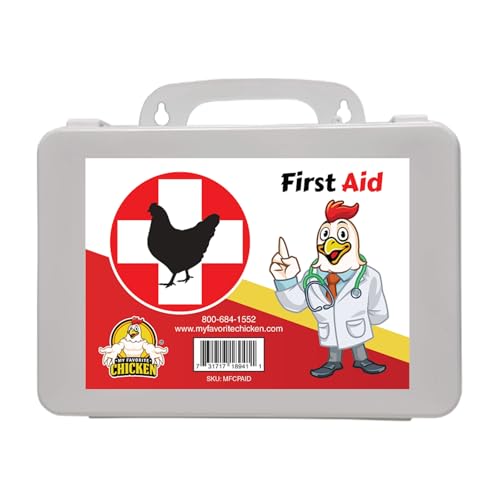
My Favorite Chicken Essential Poultry First Aid Kit
Pre-assembled kit with wound care, vet wrap, and tools sized for backyard flocks.

Sav-A-Chick Sav-A-Chick Electrolyte & Vitamin Supplement
Single-dose packets to support stressed, dehydrated, or recovering birds.

Vetericyn Vetericyn Plus Poultry Care Spray
No-sting antimicrobial spray for wounds, pecking injuries, and bumblefoot.

Nutri-Drench Poultry Nutri-Drench
Fast-absorbing energy and nutrient drench for weak or off-feed chickens.
Why early detection matters so much
The single most useful skill in chicken keeping is daily observation. Spend a few minutes each morning and evening simply watching your flock. Note who eats first, who hangs back, whose comb looks bright red versus pale, and what the droppings look like under the roost. Once you know your birds' normal, the abnormal jumps out. A hen who skips the morning scratch grains, a rooster who stops crowing, or a pullet with pasty droppings is telling you something.
Because chickens decline quickly, the keepers who catch problems early have far better outcomes. Isolation, clean water, warmth, and a call to a vet within the first day often turn the tide. Waiting to "see if it gets better" usually wastes the window when treatment works best.
Digestive and parasitic diseases
Coccidiosis is one of the most common killers of young birds. Caused by a protozoan parasite that thrives in damp bedding, it produces droopy chicks, ruffled feathers, and blood-streaked droppings. It is treatable with amprolium when caught early, and medicated chick starter helps prevent it. Keeping brooders and coops dry is your strongest defense.
Internal worms, including roundworms and cecal worms, are common in birds with outdoor access. Signs include weight loss despite good appetite, pale combs, and a generally unthrifty look. A fecal test from your vet confirms the type and guides the right dewormer, which matters because guessing leads to resistance.
Sour crop and impacted crop are digestive backups where the crop fails to empty overnight. A squishy, balloon-like crop in the morning or a hard, firm mass signals trouble. These often trace back to long grass, moldy feed, or an underlying illness, so they deserve a closer look.
Respiratory diseases
Respiratory infections spread fast in poultry and are common in mixed or crowded flocks. Watch for sneezing, nasal discharge, swollen eyes or sinuses, rattling breath, and a gurgling sound when the bird inhales. Culprits include infectious bronchitis, mycoplasma (often called CRD), infectious coryza, and fowl pox in its wet form.
Because these illnesses look so similar and several are lifelong carriers once a bird is infected, diagnosis matters. A vet can run tests and advise whether to treat, manage, or close your flock. Good ventilation that moves stale, ammonia-heavy air out without creating a cold draft prevents many respiratory flare-ups in the first place.
Viral diseases you cannot treat
Marek's disease is a widespread herpesvirus that causes tumors and paralysis, often in young birds between 12 and 25 weeks. There is no cure, but a vaccine given at the hatchery on day one dramatically lowers risk. Buying vaccinated chicks is the practical prevention for most backyard keepers.
Avian influenza and Newcastle disease are serious, reportable viruses. A sudden die-off, swelling, or neurological signs across several birds should prompt a call to your state veterinarian. Keeping wild waterfowl away from feed and water is a meaningful safeguard.
Reproductive and external problems
Laying hens face their own set of issues. Egg binding, where an egg gets stuck in the oviduct, is an emergency marked by a straining, lethargic hen who may walk like a penguin. Vent prolapse and egg yolk peritonitis also strike layers, especially high-production breeds. Adequate calcium, proper light management, and not pushing pullets to lay too early all help.
On the outside, mites and lice are nearly universal. Check around the vent and under the wings for crawling parasites, clumped feathers, or scabby skin at night when red mites emerge. Bumblefoot, a staph infection in the footpad, shows as a swollen pad with a dark scab and a limping bird. Both respond well to early, consistent treatment.
| Symptom you notice | Possible cause | First step |
|---|---|---|
| Bloody droppings, droopy chick | Coccidiosis | Isolate, treat with amprolium, call vet |
| Sneezing, swollen eyes, rattle | Respiratory infection | Isolate, improve ventilation, get diagnosis |
| Paralysis, twisted neck, leg out | Marek's or vitamin deficiency | Isolate, call vet immediately |
| Straining hen, penguin walk | Egg binding | Warm soak, calcium, vet if no egg in hours |
| Limping, swollen footpad | Bumblefoot | Clean, soak, dress, monitor |
| Pale comb, weight loss | Worms or anemia from mites | Fecal test, inspect for parasites |
Backyard Chicken Keepers Planner
Track your chicken's health, meds, vet visits, mobility, nutrition, and quality of life, all in one printable planner.
Building a prevention routine
The most reliable way to avoid these diseases is steady, boring consistency. Provide clean water every single day, since dirty waterers spread coccidiosis and bacteria. Keep bedding dry and replace damp spots promptly. Give layers a calcium source like oyster shell on the side, offer grit so birds can grind their food, and feed an age-appropriate ration rather than filling up on scratch and treats.
Quarantine is non-negotiable. Any new bird, or any bird returning from a show or another flock, should spend 30 days apart before joining the group. This one habit prevents more heartbreak than any supplement. Control rodents, screen out wild birds where you can, and keep a small kit of basics on hand so you are not scrambling at nightfall when a problem appears.
Finally, write down what you see. A simple flock log of who laid, who looked off, and what you did builds the kind of pattern recognition that makes you a better keeper every season. When you do need a vet, that record helps them help you faster.
Chickens are hardy, rewarding animals, and most flocks stay healthy with good basics. Knowing these common diseases does not mean expecting the worst. It means you can act with calm confidence when something is off, and that is exactly what keeps a backyard flock thriving for years.
Editor's Pick · Affiliate link
An Automatic Coop Door, the Upgrade Keepers Regret Waiting On
Nearly every predator loss happens because a door was open at dusk or dawn. An automatic opener closes on a light sensor or timer whether or not you are home, which is the single biggest reduction in risk available to a small flock.
Frequently Asked Questions
What are the most common diseases in backyard chickens?
The illnesses backyard keepers see most often are coccidiosis, respiratory infections (like infectious bronchitis and mycoplasma), Marek's disease, external parasites such as mites and lice, internal worms, and crop or reproductive problems like sour crop and egg binding. Most are manageable with early detection, clean housing, and guidance from a poultry vet or your local extension office.
How can I tell if a chicken is getting sick?
Chickens hide illness as a survival instinct, so watch for subtle changes: a hunched posture, fluffed feathers, pale comb, closed eyes, standing apart from the flock, reduced appetite, watery or bloody droppings, labored breathing, or a sudden drop in laying. Any bird that stops eating or drinking for a day needs prompt attention.
Should I isolate a sick chicken from the flock?
Yes. Move any bird showing signs of illness to a clean, warm, draft-free quarantine pen away from the rest of the flock. This protects healthy birds from contagious disease and lets you monitor eating, drinking, and droppings closely. Keep the sick bird isolated until you understand the problem and it has fully recovered.
Are chicken diseases dangerous to humans?
Most poultry diseases stay within birds, but a few, including Salmonella and avian influenza, can affect people. Wash your hands after handling chickens or eggs, keep coop shoes separate, and never let young children kiss or snuggle birds. If your flock has an unexplained die-off, contact your state veterinarian, since reportable diseases must be tracked.
Can I treat a sick chicken at home?
You can provide supportive care at home: clean water with electrolytes, easy-to-eat food, warmth, and wound cleaning. But diagnosing the actual disease usually requires a poultry-savvy vet, since many illnesses look alike. Never guess on antibiotics or dewormers, because incorrect dosing causes resistance and can harm the bird. Build a relationship with an avian or farm vet before you need one.
How do I prevent disease in my flock?
Biosecurity is your best tool. Keep the coop dry and well ventilated, provide clean water daily, quarantine any new or returning birds for 30 days, control rodents and wild birds, and avoid sharing equipment with other flocks. Good nutrition, proper space (about 4 square feet per bird inside), and routine observation prevent far more disease than any medication.
When should I call a vet versus wait it out?
Call a vet right away for labored breathing, neurological signs like a twisted neck or paralysis, heavy bleeding, a swollen abdomen, or any bird that has stopped eating and drinking. Waiting often means the difference between recovery and loss, because chickens decline fast once symptoms are visible. When in doubt, your local extension office can point you to a poultry vet.
Need more help with your flock?
Browse our guides by topic to find practical solutions.
Wellness Planner: $39