Free-Ranging Chickens Safely: A How-To Guide
How to free-range backyard chickens safely: protecting against hawks and ground predators, electric netting, overhead cover, supervised ranging, and securing the coop at night.
There are few happier sights than a flock of chickens spread across a green yard, scratching and foraging in the sun. Free-ranging gives birds exercise, a varied diet, and room to be chickens, and it can deepen egg color and flavor too. The catch is safety, because roaming birds are exposed to predators. The good news is that you can have most of the benefits with far less risk by ranging smartly. This guide shows you how to free-range your chickens safely, from hawk defense to securing the coop at night.
Tools for Safer Ranging
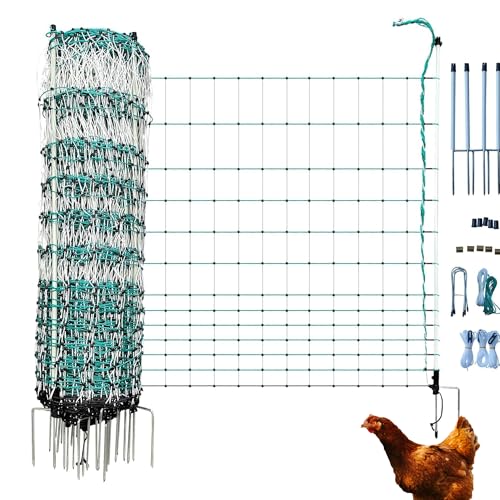
RentACoop Electric Poultry Netting Fence, 48 in x 168 ft
Create a movable, predator-resistant foraging paddock you can shift around the yard.

nolonly Solar Automatic Chicken Coop Door
Locks the flock safely inside at dusk, the most important moment for predator safety.
Understand the Predator Risks
Free-ranging means trading some protection for freedom, so it helps to know what you are up against. Hawks and other raptors strike from above, favoring birds in open spaces. Foxes, coyotes, loose dogs, raccoons, and weasels hunt on the ground, often at dawn, dusk, or when no one is around. The biggest losses happen at night, which is why a secure coop is non-negotiable. Recognizing these threats lets you build defenses around them rather than hoping for the best.
Defending Against Aerial Predators
Hawks are the classic free-range threat, and the answer is cover. Birds need places to dash for safety: trees, shrubs, a covered patio, shade cloth, or even a tarp over part of the range. Open lawns are danger zones, so avoid forcing birds across wide exposed areas. A rooster earns his keep here by watching the sky and sounding the alarm, giving the flock time to take cover. Where hawk pressure is high, a covered run or netting paired with overhead cover is the most dependable protection.
Defending Against Ground Predators
For ground predators, containment and timing are your friends. Portable electric poultry netting is a standout tool: it creates a fenced, electrified paddock that deters foxes, dogs, and coyotes, and you can move it around the yard to give birds fresh ground. A livestock guardian dog or even a watchful rooster adds another layer. Ranging during the times you can supervise, and keeping birds in a secure run when you cannot, dramatically cuts ground-predator losses. And always, without exception, lock the flock into a predator-proof coop at night.
Backyard Chicken Keepers Planner
Track your chicken's health, meds, vet visits, mobility, nutrition, and quality of life, all in one printable planner.
Supervised and Time-Limited Ranging
You do not have to choose between full free-range and full confinement. Many experienced keepers range part-time: a few hours in the evening when they are home to keep an eye out, then everyone back to the secure run or coop. Evening ranging has a bonus, because birds naturally head home to roost at dusk, so they put themselves to bed and you simply close the door. This supervised, time-limited approach captures most of the foraging benefit while sharply limiting exposure, and it pairs perfectly with movable netting.
Securing the Coop and Training the Flock
Safe free-ranging rests on a secure home base. Your coop must be predator-tight with half-inch hardware cloth, strong two-step latches, and no gaps, and it must be closed every single night, since that is when most attacks happen. An automatic coop door makes this effortless and removes the risk of forgetting. Before you let new birds range, confine them to the coop and run for a week or two so they learn where home is; after that, they will reliably return at dusk. With a secure coop and trained flock, the daily rhythm of ranging becomes smooth and safe.
Protecting Your Garden Too
Predators are not the only consideration. Chickens will happily demolish a vegetable bed, so protect plants by fencing off vulnerable areas or using movable netting to steer the flock where you want them. Ranging birds only when crops are established, or for a short window late in the day, also limits the damage. With a bit of planning, you can keep both a thriving garden and a foraging flock, enjoying the best of free-ranging while managing its real trade-offs.
Editor's Pick · Affiliate link
An Automatic Coop Door, the Upgrade Keepers Regret Waiting On
Nearly every predator loss happens because a door was open at dusk or dawn. An automatic opener closes on a light sensor or timer whether or not you are home, which is the single biggest reduction in risk available to a small flock.
Frequently Asked Questions
Is it safe to let chickens free-range?
Free-ranging is rewarding but carries real predator risk, so it is safest with precautions rather than left totally open. Hawks, foxes, dogs, and other predators target roaming birds, especially when unsupervised. You can range much more safely with electric poultry netting, overhead cover, a guard animal or rooster, supervised time, and a secure coop to lock the flock in at night. With these measures, many keepers free-range successfully for years.
How do I protect free-range chickens from hawks?
Hawks strike from above, so cover and confusion are your best defenses. Provide overhead protection like trees, shrubs, a covered patio, or shade cloth where birds can dash for safety, since open lawns are danger zones. A rooster will watch the sky and sound the alarm, and mixing in dark or patterned birds can help. For high hawk pressure, a covered run or electric netting with some overhead cover is the most reliable answer.
Will free-ranging chickens come back to the coop?
Yes. Chickens naturally return to their coop to roost at dusk, since they instinctively seek a safe, familiar place to sleep. Once a flock is established in a coop, you can let them out to range and trust them to put themselves to bed each evening, at which point you simply close the door. New birds should be confined to the coop and run for a week or two first so they learn where home is.
What is the safest way to free-range chickens?
Supervised, time-limited ranging combined with secure containment is the safest approach. Many keepers let the flock out for a few hours in the evening when they can watch, then secure them the rest of the day. Portable electric poultry netting creates a protected foraging paddock you can move around the yard. Always lock birds into a predator-proof coop at night, when most losses happen. Layering these measures gives birds freedom with far lower risk.
How do I keep free-range chickens out of my garden?
Chickens love to scratch up beds and eat seedlings, so protect plants with fencing or by ranging birds only where you want them. Movable electric poultry netting lets you steer the flock to safe areas and away from gardens. You can also fence off vulnerable beds, range birds only when crops are established and tougher, or let them out late in the day for a shorter window. A little planning keeps both garden and flock happy.
Should I free-range every day?
Not necessarily. Many keepers range part-time, a few supervised hours in the evening or on days they are home, rather than all day every day. This balances the benefits of foraging and exercise against predator exposure and garden damage. A roomy, enriched run as home base means birds are content even on days they do not range. Free-range as often as your predator pressure, schedule, and yard allow, not on a rigid schedule.
Need more help with your flock?
Browse our guides by topic to find practical solutions.
Wellness Planner: $39