Backyard Chicken Laws: What to Know First
A practical guide to backyard chicken laws: how to check local ordinances and HOA rules, flock-size limits, rooster bans, permits, setbacks, and egg-selling regulations.
Before you fall in love with a breed or pick out a coop, there is one unglamorous but essential step: making sure backyard chickens are allowed where you live, and under what conditions. Rules vary enormously from one town to the next, and an HOA can be stricter still. A little homework now prevents the heartbreak of having to rehome a beloved flock later. This guide explains what to check, where to look, and the common rules you are likely to encounter, so you can start your flock on solid legal ground.
Plan Your Flock the Right Way
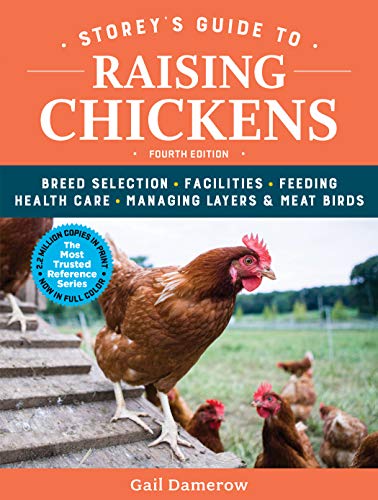
Storey Publishing Storey's Guide to Raising Chickens
A thorough reference that covers flock planning, housing, and responsible keeping.

Callisto The Beginner's Guide to Raising Chickens
Beginner-friendly help for choosing a flock size and setup that fits your situation.
Why Local Rules Matter
Chicken keeping is regulated at the local level, which means there is no single national rule and no safe assumption. One town welcomes a small flock of hens; the next bans poultry entirely or restricts it to large rural lots. Get it wrong and you risk complaints, fines, and the genuine sadness of being ordered to give up your birds. Treat the legal check as the true first step of keeping chickens, ahead of buying anything. It is free, it is quick, and it shapes every later decision about flock size and coop placement.
How to Look Up Your Ordinances
Start online with your city or county website and search the municipal code for words like poultry, fowl, hen, or livestock. If the language is confusing, call the planning, zoning, or animal control department and ask directly. If you live under a homeowners association, read its covenants too, because an HOA can be more restrictive than the city and its rules still bind you. Local feed stores, county extension offices, and experienced neighbors are excellent for understanding how the rules actually play out day to day.
Common Rules You Will Encounter
A handful of restrictions show up again and again:
- Flock-size limits, often scaled to lot size, from a few hens to no cap in rural areas
- Rooster bans, very common in towns and suburbs because of the noise
- Coop setbacks, requiring a minimum distance from property lines and neighboring homes
- Sanitation and nuisance rules covering odor, pests, and cleanliness
- Permits or registration, sometimes with a coop inspection
- Slaughter and sales restrictions on processing birds or selling eggs and meat
Backyard Chicken Keepers Planner
Track your chicken's health, meds, vet visits, mobility, nutrition, and quality of life, all in one printable planner.
Roosters and Flock Size
Two rules trip people up most often: roosters and numbers. Roosters are banned in many residential areas for their crowing, but since hens lay perfectly well without one, this rarely matters for an egg flock. Just confirm before you keep a rooster, because an illegal one can mean fines or forced rehoming. Flock-size caps are the other big one; know your limit before you buy, because it is far easier to start within the rules than to part with birds you have raised. When a town allows only a few hens, choose high-output layers to make the most of them.
Selling Eggs and Other Considerations
If you might sell surplus eggs, there are additional rules, set mostly at the state level. Many states allow small direct-to-consumer sales of your own eggs with modest requirements such as proper labeling, clean cartons, and refrigeration, while larger or retail sales face stricter grading and licensing. Check your state department of agriculture before selling. It is also worth being a good neighbor regardless of the law: a clean, odor-free, well-managed coop and a quiet, hens-only flock keep complaints away and keep chicken keeping welcome in your community.
Start on the Right Side of the Rules
The legal landscape sounds daunting, but it usually comes down to a short checklist: confirm chickens are allowed, learn the flock-size limit, check whether roosters are banned, note any setback and permit requirements, and review your HOA rules. Spend an hour on this before you buy birds and you will keep your flock legal, your neighbors happy, and your chicken-keeping experience free of unwelcome surprises. When in doubt, ask your local officials directly rather than relying on what someone three towns over is allowed to do.
Editor's Pick · Affiliate link
An Automatic Coop Door, the Upgrade Keepers Regret Waiting On
Nearly every predator loss happens because a door was open at dusk or dawn. An automatic opener closes on a light sensor or timer whether or not you are home, which is the single biggest reduction in risk available to a small flock.
Frequently Asked Questions
Are backyard chickens legal where I live?
In most places yes, but the rules vary widely by city, county, and HOA. Many areas allow a limited number of hens, ban roosters, and set requirements for coop placement and cleanliness. Some require a permit or registration. The only way to know for certain is to check your local municipal code and any HOA covenants, or call your city or county offices directly. Never assume; verify before you buy birds.
How do I find my local chicken-keeping laws?
Start with your city or county website and search the municipal code for terms like poultry, fowl, or livestock. Call the planning, zoning, or animal control department if the code is unclear. If you belong to a homeowners association, read its covenants, which can be stricter than city law. Local feed stores, extension offices, and nearby chicken keepers are also good sources for how the rules work in practice.
Can I keep a rooster in my backyard?
Often no. Many towns and most suburban HOAs ban roosters because of the noise, even where hens are allowed. If you only want eggs, you do not need a rooster, so this is rarely a problem for egg keepers. If you hope to hatch chicks, check your rules carefully first, since keeping a banned rooster can mean fines or being forced to rehome him.
How many chickens can I legally keep?
Limits vary a lot, from as few as three or four hens on small urban lots to no limit in rural zones. The cap often scales with lot size. Your municipal code or HOA rules will state the number, and exceeding it can bring complaints and penalties. Check the limit before committing to a flock size, and remember it is easier to start within the rules than to rehome birds later.
Do I need a permit to keep chickens?
Some jurisdictions require a permit, license, or registration to keep backyard poultry, while many do not. Where permits exist they are often inexpensive and may include a coop inspection or setback requirements. Check with your city or county to see whether you need one before bringing birds home. Keeping chickens without a required permit can result in fines even if everything else about your setup is fine.
What rules apply to selling backyard eggs?
Selling eggs adds another layer of rules that vary by state. Many states allow small-scale sales of your own eggs directly to consumers with light requirements, such as proper labeling, clean used or new cartons, and refrigeration. Larger operations or sales to stores face stricter grading and licensing rules. Check your state department of agriculture before selling so you label and handle eggs legally.
Need more help with your flock?
Browse our guides by topic to find practical solutions.
Wellness Planner: $39