Winter Egg Laying: Keeping Hens Productive
Hens slow down in winter because of short daylight. Learn how light, water, and breed affect cold-season laying, and how to decide whether to add coop light.
Most hens slow down or stop laying in winter because there is not enough daylight, since laying is triggered by light and hens need about 14 hours per day to lay steadily. As the days shorten, production naturally drops, and many flocks pause until spring. You can keep hens laying by adding a timed light in the coop to extend the day, or you can let them rest naturally. This guide covers exactly how winter affects laying, how to support your flock in the cold, and how to decide whether to light your coop.
Winter Laying and Cold-Weather Gear
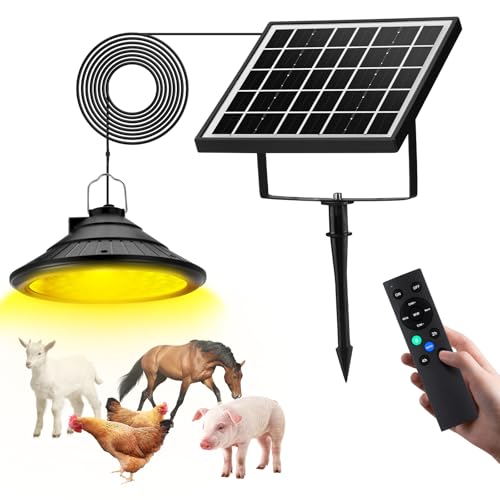
tiyiawi Solar Coop Light with Timer
Extend daylight to about 14 hours to keep hens laying through winter.

Farm Innovators Heated Chicken Waterer, 3 Gallon
Keeps drinking water from freezing so winter laying does not stall.

Manna Pro Layer Pellets, 16% Protein Feed
Steady nutrition supports laying and warmth in cold months.
Why hens stop laying in winter
Egg laying is controlled by light, not temperature directly. Light entering a hen's eye stimulates the pineal gland and triggers the hormonal cascade that releases a yolk and starts an egg. When daylight falls below about 14 hours, that stimulation weakens and laying slows. In most of North America, winter days drop well under that threshold, so the seasonal dip is simply biology at work. Cold weather adds to it by pushing hens to spend more energy staying warm and less on egg production.
One happy exception: first-year pullets that reach maturity in fall often lay right through their first winter, because they have not yet gone through an adult molt. These young birds frequently keep the basket full while older hens take a break.
The light question
If you want winter eggs, the most effective lever is daylight.
How to add light correctly
- Target about 14 to 16 hours total. Combine natural daylight with artificial light to reach the threshold.
- Light in the morning, not the evening. Put the light on a timer to switch on before dawn. If you light the evening instead and it cuts off suddenly, birds can be caught off the roost in sudden darkness.
- Use low wattage. A modest LED bulb is plenty. You only need enough light to read by, not bright daylight.
- Avoid heat lamps for lighting. They are a major fire hazard. Use a regular low-wattage bulb for light and address warmth separately, if at all.
Or let them rest
Many experienced keepers skip the light entirely. The reasoning is that a natural winter rest gives a hen's body time to recover and may support a longer productive life. There is no firm scientific consensus, but a common middle path is to light first and second-year hens for winter eggs while letting older hens rest naturally.
Keeping hens healthy in the cold
Cold is fine, wet and drafty is not
Chickens tolerate cold far better than heat. A dry, draft-free coop with good ventilation up high is more important than added warmth. Ventilation removes moisture and ammonia while drafts at roost level chill the birds, so aim for airflow above the hens without wind blowing on them. Deep, dry bedding adds insulation.
Skip the heat lamp
Resist the urge to heat the coop. Heat lamps cause coop fires every winter, and heated birds fail to acclimate and suffer more if the power fails. Cold-hardy breeds handle freezing temperatures well when dry and sheltered.
Protect combs from frostbite
Large-combed breeds can get frostbite on the comb and wattles. Good ventilation to keep humidity down is the best defense. Some keepers apply a thin layer of petroleum jelly in extreme cold, though dryness matters more.
Water is the hidden key
Frozen water stops laying faster than almost anything else. An egg is about three-quarters water, and hens cannot eat enough snow to stay hydrated. A heated waterer or heated base keeps water liquid through freezing weather, and a thermostatic model only runs when needed. Even with a heater, check water at least twice a day in deep cold. Reliable unfrozen water is the single most impactful thing you can do for winter laying.
Backyard Chicken Keepers Planner
Track your chicken's health, meds, vet visits, mobility, nutrition, and quality of life, all in one printable planner.
Feed for cold weather
Keep hens on a complete layer feed through winter, with free-choice oyster shell for shell strength. Hens burn extra energy staying warm, so a handful of scratch grains tossed in the late afternoon gives them something to digest overnight, which generates body heat. Keep treats modest so the balanced ration stays the bulk of the diet. Make sure feed stays dry and accessible even in snow.
Best breeds for winter laying
If cold-season eggs matter to you, choose hardy, dual-purpose breeds with smaller combs: Australorps, Plymouth Rocks, Wyandottes, Orpingtons, Rhode Island Reds, and Chanteclers all handle winter well. Combine a few of these with first-year pullets and you will gather the steadiest winter basket your daylight allows, especially if you add morning light and keep the water flowing.
Editor's Pick · Affiliate link
An Automatic Coop Door, the Upgrade Keepers Regret Waiting On
Nearly every predator loss happens because a door was open at dusk or dawn. An automatic opener closes on a light sensor or timer whether or not you are home, which is the single biggest reduction in risk available to a small flock.
Frequently Asked Questions
Do chickens lay eggs in winter?
Most hens slow down or stop laying in winter because there is not enough daylight. Laying is triggered by light, and hens need about 14 hours per day to lay steadily. As days shorten, production drops, and many hens pause entirely until spring. First-year pullets often lay through their first winter, and you can maintain laying in older hens by adding timed artificial light to extend the day.
How many hours of light do chickens need to lay?
Hens need roughly 14 hours of light per day to keep laying consistently. Light entering the eye stimulates the gland that drives egg production. In winter, daylight falls well below that in most regions, which is why laying slows. To maintain production, add a timed light in the coop to bring the total to about 14 to 16 hours, ideally switching on in the early morning before dawn.
Should I add a light to my coop in winter?
It is a personal choice. Adding a timed light to reach about 14 hours keeps hens laying through winter, which many keepers want. Others prefer to let hens rest naturally, believing the winter break is good for long-term health and longevity. If you add light, use a low-wattage bulb on a timer set to come on before dawn rather than at night, so birds are not suddenly left in the dark on the roost.
Do chickens need a heated coop in winter?
Usually no. Chickens tolerate cold far better than heat, and a dry, draft-free, well-ventilated coop is more important than heat. Heat lamps are a serious fire risk and are best avoided. Most cold-hardy breeds do fine well below freezing as long as they stay dry and out of the wind. Focus on ventilation without drafts, deep dry bedding, and keeping water from freezing rather than heating the air.
How do I keep chicken water from freezing in winter?
Use a heated waterer or a heated base designed for poultry to keep water liquid in freezing weather. Hens cannot eat snow fast enough to stay hydrated, and an egg is about 75 percent water, so frozen water quickly stops laying. A thermostatically controlled heated waterer turns on only when needed, saving power. Check water at least twice a day in deep cold even with a heater.
Which chicken breeds lay best in winter?
Cold-hardy, dual-purpose breeds tend to lay best through winter, including Australorps, Plymouth Rocks, Wyandottes, Orpingtons, Rhode Island Reds, and Chanteclers. These breeds have small combs less prone to frostbite and good body mass. Even so, all breeds lay less in winter without added light. Pairing hardy breeds with a few first-year pullets gives you the steadiest cold-season basket.
Is it bad to force hens to lay through winter with light?
It is not harmful in the short term, and commercial flocks lay year-round under light. The debate is about the long term. Some keepers believe the natural winter rest lets a hen's body recover and may extend her productive years, while continuous laying may use up her finite egg supply faster. There is no firm consensus. Many backyard keepers light first and second-year hens, then let older hens rest naturally.
Need more help with your flock?
Browse our guides by topic to find practical solutions.
Wellness Planner: $39