How to Choose a Chicken Coop: A Complete Buyer's Guide
What to look for in a chicken coop: the right size, real predator protection, ventilation, roosts, nesting boxes, and easy cleaning, plus how to judge prefab coops.
Your coop is the single most important purchase you will make for your flock. It is their shelter, their bedroom, their nursery, and their last line of defense against predators, all in one structure. Choose well and it will serve you quietly for years. Choose poorly and you will be patching, reinforcing, or replacing it after the first hard winter or the first raccoon visit. This guide walks you through every feature that matters, so you can judge any coop, prefab or DIY, against what your birds actually need.
Coops Worth Considering

LEVELEVE Large Walk-in Chicken Coop with Run
Stand-up walk-in design with galvanized panels for easy cleaning and solid security.

PawHut Wooden Walk-in Chicken Coop for 8-10 Hens
A roomy wooden coop and run that suits a typical backyard flock.
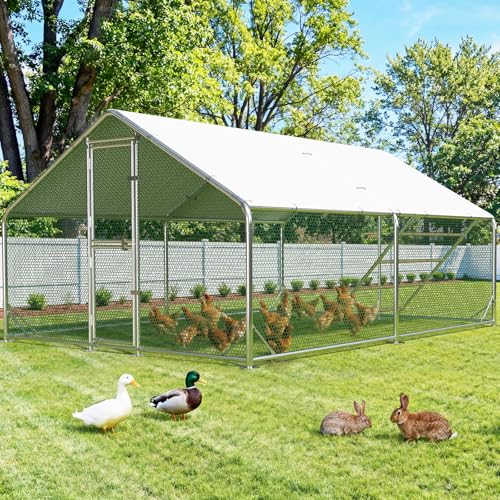
Sannwsg Metal Walk-in Chicken Coop, 13x10 ft
Large galvanized walk-in run with a weatherproof cover for a growing flock.
Start With Size, and Be Honest
The first and most common mistake is buying too small. The working rule is at least 4 square feet of indoor floor space per standard-sized bird, plus 8 to 10 square feet per bird in the run. Bantams need a little less, heavy breeds a little more. Here is the catch: manufacturers routinely overstate capacity. A coop advertised as housing six hens may comfortably suit four. Crowding is the root of most flock problems, from pecking and feather picking to stress and disease, so always size up rather than down, and treat the maker's bird count as optimistic.
Predator Protection Is Non-Negotiable
A coop's most important job is keeping your birds alive overnight, and this is exactly where cheap coops fail. The features that matter:
- Hardware cloth, not chicken wire: Chicken wire keeps chickens in but does little to keep predators out. Half-inch hardware cloth resists raccoons, weasels, and rats.
- Secure latches: Raccoons can open simple hooks and slide bolts. Look for two-step or locking latches.
- A dig-proof base: A buried or skirted apron of hardware cloth stops foxes and dogs from tunneling under.
- No gaps: Weasels and rats slip through openings as small as an inch. Inspect seams, vents, and door edges.
If a coop is beautiful and convenient but a predator can get in, none of the other features matter. Treat security as the deal-breaker it is.
Ventilation: More Than You'd Think
Chickens release a surprising amount of moisture through breathing and droppings, and trapped damp air is far more dangerous than cold. Poor ventilation leads to ammonia buildup, respiratory disease, and even frostbite in winter, since moist air freezes on combs and wattles. Look for generous vents placed high, above roost level, so stale air escapes without blowing a draft directly on sleeping birds. Good airflow matters in every season, and a well-ventilated coop is a healthy coop.
Backyard Chicken Keepers Planner
Track your chicken's health, meds, vet visits, mobility, nutrition, and quality of life, all in one printable planner.
Roosts, Nesting Boxes, and Interior Layout
Inside, two features do most of the work. Roosting bars give chickens a place to sleep up off the floor, which is their natural instinct. A flat 2-by-4 with the wide side facing up is ideal, letting birds cover their feet with their bodies in cold weather. Provide enough total roost length for every bird to perch at once. Nesting boxes should number roughly one per three to four hens, sit lower than the roosts so birds do not sleep and poop in them, and stay filled with clean bedding. A good interior also keeps feed and water accessible and leaves room for birds to move comfortably.
Easy Cleaning Saves Your Sanity
A coop you dread cleaning is a coop that does not get cleaned, and a dirty coop means odor, parasites, and sick birds. Look for features that make maintenance painless: a large clean-out door or removable droppings tray, a walk-in design you can actually stand in, and surfaces that wipe or scrape down easily. Walk-in coops are far easier to manage than cramped raised boxes, especially for flocks of four or more. The few minutes you save each week add up to years of less hassle.
Materials and Weatherproofing
Coops come mainly in wood and metal, each with trade-offs. Wooden coops look classic, insulate a bit better, and are easy to modify, but they can harbor mites in cracks and need weather sealing to resist rot. Metal walk-in coops and runs are durable, predator-resistant, and easy to hose down, though they offer less insulation. Whatever the material, the coop needs a solid, sloped roof that sheds rain and snow, weatherproof panels or sealing, and a floor that stays dry. A raised floor or a good base keeps ground moisture from seeping in.
Matching the Coop to Your Situation
The right coop depends on your flock and your yard. For a small flock in a tight space, a compact raised coop with a run may be plenty, as long as it is roomy and secure. For four or more birds, or if you expect to expand, a walk-in coop pays for itself in easier cleaning and comfortable access. In wet or snowy climates, prioritize a strong roof and good drainage. In hot climates, prioritize shade and ventilation. And if you enjoy projects, a quality DIY build lets you tailor every dimension to your needs.
The Bottom Line
A great coop is roomy, predator-tight, well-ventilated, and easy to clean, with proper roosts and nesting boxes. Everything else is a bonus. Resist the temptation to buy on looks or a flattering capacity claim, and instead measure each option against these fundamentals. Spend well once on a coop that gets the basics right, and you will spare yourself the cost and heartbreak of replacing a flimsy one, while giving your flock a safe, comfortable home for years to come.
Editor's Pick · Affiliate link
An Automatic Coop Door, the Upgrade Keepers Regret Waiting On
Nearly every predator loss happens because a door was open at dusk or dawn. An automatic opener closes on a light sensor or timer whether or not you are home, which is the single biggest reduction in risk available to a small flock.
Frequently Asked Questions
What should I look for when choosing a chicken coop?
Prioritize enough space, real predator resistance, good ventilation, easy cleaning, and weatherproofing. Aim for about 4 square feet of indoor floor per bird, secure latches and hardware cloth rather than chicken wire, vents up high, roosting bars, and roughly one nesting box per three to four hens. A coop that nails those fundamentals will serve you for years.
How big should a chicken coop be?
Plan for at least 4 square feet of indoor floor space per standard bird, plus 8 to 10 square feet per bird in the run. Bantams need a bit less, heavy breeds a bit more. Manufacturers often overstate capacity, so a coop advertised for six birds may truly suit four. When in doubt, size up, since crowding causes most coop problems.
Are prefab chicken coops any good?
Quality varies widely. Many inexpensive prefab coops are smaller and flimsier than advertised, with thin wood, weak latches, and exaggerated bird capacities. Better prefab coops do exist, often metal walk-in runs or heavier wooden builds. Read capacity claims skeptically, check the materials and latches, and plan to reinforce weak points like flimsy mesh and simple latches.
What features matter most in a coop?
The essentials are predator-proof construction, adequate space, ventilation, roosting bars, accessible nesting boxes, and easy cleaning access. Convenience features like a large clean-out door, a roomy walk-in design, or a predator skirt make ownership much easier. Skip gimmicks and focus on the fundamentals that keep birds safe, dry, and comfortable.
Should I get a walk-in coop or a small raised one?
Walk-in coops are far easier to clean, manage, and use for larger flocks, since you can stand inside and reach every corner. Small raised coops suit tiny flocks and tight yards and keep the floor off damp ground, but they can be awkward to clean. For most keepers planning four or more birds, a walk-in design is worth the space.
How much ventilation does a coop need?
More than most beginners expect. Chickens give off a lot of moisture, and damp, ammonia-laden air causes respiratory disease and frostbite. You want generous vents high up, above roost level, so stale air escapes without creating a cold draft on sleeping birds. Good ventilation matters in every season, including winter, when moisture is the real enemy, not cold.
What is the most important thing in a coop?
Predator protection, closely followed by enough space and ventilation. A coop can be attractive and convenient, but if a raccoon, weasel, or rat can get in, none of that matters. Hardware cloth instead of chicken wire, secure two-step latches, and a dig-proof base are the features that actually keep your flock alive.
Need more help with your flock?
Browse our guides by topic to find practical solutions.
Wellness Planner: $39