Best Chicken Coops: Top Picks for Backyard Flocks
Our research-based roundup of the best chicken coops, from roomy walk-in runs to wooden hen houses, compared on space, predator resistance, ventilation, and easy cleaning.
A good chicken coop is the foundation of a healthy, happy flock, and choosing one can feel overwhelming given how many designs are on the market. To make it easier, we have rounded up some of the best chicken coops for backyard keepers, spanning roomy walk-in runs and classic wooden hen houses. Each pick is evaluated on the features that actually matter: space, predator resistance, ventilation, weatherproofing, and ease of cleaning. Use the comparison table to narrow your options, then read the details to find the right fit for your flock and yard.
Our Top Chicken Coop Picks

LEVELEVE Large Walk-in Chicken Coop with Run
Best overall: stand-up walk-in design with galvanized panels and a roomy attached run.
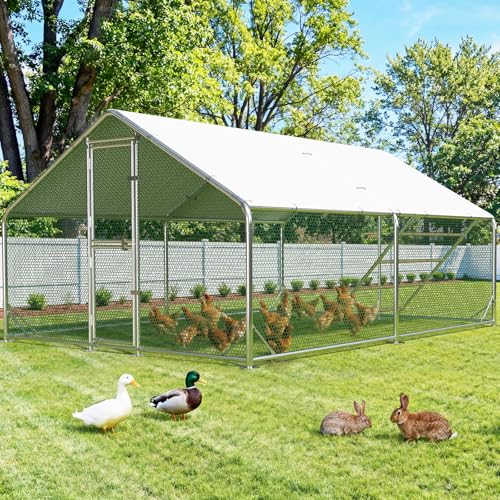
Sannwsg Metal Walk-in Chicken Coop, 13x10 ft
Best for big flocks: large galvanized run with weatherproof cover and feeding door.

PawHut Wooden Walk-in Chicken Coop for 8-10 Hens
Best wooden coop: attractive walk-in run with a weather-resistant hen house.
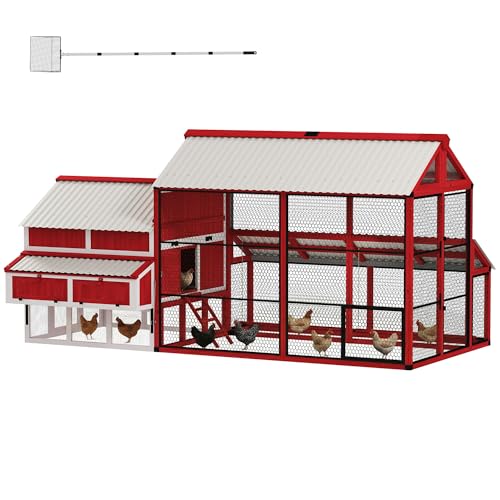
PawHut 187 in. Large Wooden Chicken Coop
Best for medium flocks: spacious wooden hen house with run and nesting area.
Comparison at a Glance
| Coop | Type | Best for | Key strength |
|---|---|---|---|
| LEVELEVE Walk-in Coop | Metal walk-in + run | Most backyards | Stand-up access, galvanized build |
| Sannwsg Metal Coop 13x10 | Large metal run | Large flocks | Generous space, weatherproof cover |
| PawHut Walk-in Wooden | Wooden walk-in + run | 8-10 hens | Looks plus walk-in convenience |
| PawHut 187 in. Wooden | Wooden hen house + run | Medium flocks | Roomy run with nesting area |
Backyard Chicken Keepers Planner
Track your chicken's health, meds, vet visits, mobility, nutrition, and quality of life, all in one printable planner.
How We Chose These Coops
Our recommendations are based on research rather than hands-on testing. We compared published specifications, construction materials, ventilation design, predator resistance, ease of cleaning, and realistic capacity, and we weighed verified owner reviews to surface real-world strengths and weaknesses. Because manufacturers update designs and dimensions, always confirm the current details on the product page before buying. Our goal is to point you toward coops that get the fundamentals right, then let you match the specifics to your flock.
Best Overall: LEVELEVE Walk-in Coop
A walk-in metal coop and run hits the sweet spot for most backyard keepers. The stand-up design means you can step inside to clean, collect eggs, and tend birds without crouching, which makes maintenance far easier and more likely to actually happen. Galvanized panels resist rust and stand up to predators better than flimsy prefab mesh. As with any coop, confirm the interior dimensions against the 4-square-foot rule for your flock, and plan to add a predator skirt and verify the latches before trusting it overnight.
Best for Large Flocks: Sannwsg Metal Coop, 13x10 ft
If you keep or plan to keep a larger flock, a big metal walk-in run like this one gives birds room to move and you room to work. It pairs a generous footprint with a weatherproof cover that shields against rain, sun, and light snow, plus a feeding door that lets you top up food without opening the whole enclosure. The galvanized frame and reinforced mesh prioritize durability and security. For ten or more birds, this kind of spacious enclosure prevents the crowding that plagues smaller coops.
Best Wooden Coop: PawHut Walk-in for 8-10 Hens
For keepers who want the classic look of wood with the convenience of a walk-in, this PawHut design delivers. A weather-resistant hen house pairs with a walk-in run, giving birds shelter and space while letting you tend them comfortably. Wood offers a touch more insulation than metal and is easy to modify, though it benefits from periodic sealing and a watchful eye for mites in the cracks. As always, treat the advertised hen count as optimistic and size to the real floor area.
Roomy Wooden Option: PawHut 187 in. Coop
This larger wooden coop and run suits medium flocks that want both an attractive hen house and a generous run in one structure. The extended run length gives birds space to scratch and forage, and the integrated nesting area keeps eggs convenient to collect. It is a solid choice for keepers who prefer wood and have the yard space for a longer footprint. Reinforce the mesh and latches as needed to bring its security up to predator-proof standards.
Choosing the Right Coop for You
The best coop on this list is the one that fits your flock size, climate, and yard. Count your birds, apply the 4-square-foot indoor and 8-to-10-square-foot run rules to the real dimensions, and favor a walk-in design if you value easy cleaning. Pick metal for durability and easy hosing, or wood for looks and a little extra warmth. Whichever you choose, plan to verify and reinforce the predator protection, since that is the one feature no coop can afford to get wrong. Get the fundamentals right and your coop will serve your flock safely for years.
Editor's Pick · Affiliate link
An Automatic Coop Door, the Upgrade Keepers Regret Waiting On
Nearly every predator loss happens because a door was open at dusk or dawn. An automatic opener closes on a light sensor or timer whether or not you are home, which is the single biggest reduction in risk available to a small flock.
Frequently Asked Questions
What is the best type of chicken coop?
The best coop is the one that is roomy enough for your flock, genuinely predator-resistant, well-ventilated, and easy to clean. For four or more birds, a walk-in design wins on comfort and maintenance. Metal walk-in coops excel at security and easy hosing down, while quality wooden coops offer classic looks and a touch more insulation. Match the build to your flock size and climate.
How many chickens fit in a coop?
Apply the 4-square-feet-per-bird rule to the actual interior floor area, not the manufacturer's claim. A coop advertised for eight hens may truly suit four or five. Calculate the real square footage, divide by four for standard birds, and size up if your flock will be confined most of the time rather than free-ranging.
Are metal or wooden chicken coops better?
Both can be excellent. Metal walk-in coops and runs are durable, predator-resistant, and easy to hose clean, though they insulate less. Wooden coops look classic, hold a little more warmth, and are easy to modify, but they can harbor mites in cracks and need weather sealing. Choose based on your climate, your flock size, and your maintenance preferences.
Do prefab coops need modifications?
Often, yes. Many prefab coops ship with flimsy mesh, simple latches, and optimistic capacity claims. Common upgrades include replacing or reinforcing wire with half-inch hardware cloth, adding secure two-step latches, installing a predator skirt against diggers, and improving ventilation. Budget a little time and money to harden a prefab coop before trusting it overnight.
How did you choose these chicken coops?
These picks are based on research into materials, construction quality, ventilation, predator resistance, ease of cleaning, and realistic capacity, along with verified owner reviews and published specifications. We did not test these coops in person. Always confirm current dimensions, materials, and details on the product page, since manufacturers update designs over time.
What size coop should I buy for 6 chickens?
For six standard hens you want at least 24 square feet of indoor floor space and 48 to 60 square feet of run. Because capacity claims run high, look at coops advertised for eight to ten birds to realistically house six in comfort, or choose a roomy walk-in design that exceeds the minimums.
Need more help with your flock?
Browse our guides by topic to find practical solutions.
Wellness Planner: $39