Heat Lamp vs. Heat Plate for Brooding Chicks
Compare heat lamps and brooder heat plates for raising chicks on safety, fire risk, energy use, cost, and how each keeps chicks warm so you can brood your flock safely.
Newly hatched chicks cannot regulate their own body heat, so for their first six weeks they depend on you for warmth. The two common ways to provide it are the traditional heat lamp and the newer brooder heat plate. The heat lamp warms the air of a whole brooder cheaply, while the heat plate mimics a mother hen, giving chicks a warm surface to duck under. The choice is mostly about safety and running cost, and for most backyard keepers it is an easy call. Here is how the two compare.
Brooder Heat Options

RentACoop Adjustable Brooder Heat Plate for Chicks
Hen-like warmth chicks huddle under, with adjustable height and very low fire risk.
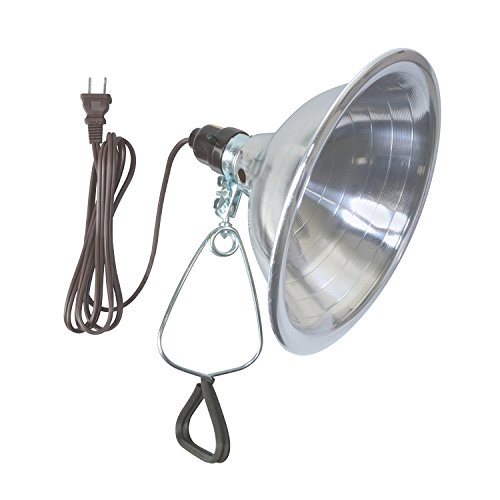
Woods Clamp Heat Lamp with Aluminum Reflector
Traditional brooder lamp that warms a larger space; secure it well and keep clear of bedding.
Quick Comparison
| Factor | Heat Plate | Heat Lamp |
|---|---|---|
| Fire risk | Very low | High, a leading cause of fires |
| Energy use | Low, warms a surface | High, often 250 watts |
| How it heats | Warm surface to huddle under | Heats the surrounding air |
| Upfront cost | Higher | Lower |
| Mimics a hen | Yes | No |
| Best for | Most backyard brooders | Very large or very cold setups |
How a Heat Plate Works
A brooder heat plate is a low, adjustable platform with a warm underside. Chicks tuck underneath it for warmth exactly as they would snuggle under a mother hen, then step out into the cooler part of the brooder to eat, drink, and explore. You set the plate height so the chicks can just touch the warm surface, raising it each week as they grow. Because it warms only the chicks and not the whole room, it runs cool to the touch on top and poses almost no fire risk. It also draws far less power than a heat lamp, which saves money over the brooding period.
The limitations are that a heat plate does not warm the air of a large or very cold space, and it costs more upfront. For a typical backyard batch of chicks in a sheltered room, neither is a real drawback, which is why heat plates have become the default recommendation.
How a Heat Lamp Works
A heat lamp hangs above the brooder and warms the air and bedding below with a high-wattage bulb, often 250 watts. It can heat a large brooder full of chicks and works even in a cold room, and the equipment is inexpensive to buy. For keepers brooding many chicks at once, or in an unheated space, that broad warmth has real appeal.
The serious downside is fire. Heat lamps run extremely hot and depend on a clamp or cord to stay put over flammable shavings. A bumped or fallen lamp, or a bulb touching bedding or dust, can start a fire fast, and heat lamps are behind countless coop and barn losses. If you use one, never trust the clamp alone: secure it with a chain, keep it well above the bedding, use a guarded fixture, and check it constantly. Even then, the risk is real.
Backyard Chicken Keepers Planner
Track your chicken's health, meds, vet visits, mobility, nutrition, and quality of life, all in one printable planner.
Keeping Chicks at the Right Temperature
Whichever heat source you use, the temperature plan is the same. Start the warmest spot at about 95 degrees Fahrenheit in week one, then drop it roughly 5 degrees each week until chicks are feathered at around six weeks. With a heat plate you adjust the height; with a lamp you raise or lower it or change bulb wattage. Most importantly, read the chicks. If they pile and huddle under the heat and cheep loudly, they are cold. If they scatter to the far corners and pant, they are too hot. Comfortable chicks spread out evenly and move freely between warm and cool zones. The birds are the best thermostat you have.
Which Should You Choose?
Choose a heat plate if safety, low running cost, and a natural, hen-like warmth matter to you, which covers nearly every backyard keeper. Choose a heat lamp only if you are brooding a very large number of chicks or working in a genuinely cold space where a plate cannot keep up, and then take fire precautions seriously. For a typical small flock, the heat plate is the safer, more efficient, and more peaceful-mind option, and it is what we point new keepers toward.
Reviewed in detail
If you have narrowed the decision to one product, we go through it in detail here: RentACoop heating plate review and Sweeter Heater OH11x40 review.
Editor's Pick · Affiliate link
An Automatic Coop Door, the Upgrade Keepers Regret Waiting On
Nearly every predator loss happens because a door was open at dusk or dawn. An automatic opener closes on a light sensor or timer whether or not you are home, which is the single biggest reduction in risk available to a small flock.
Frequently Asked Questions
Is a heat plate or heat lamp better for chicks?
For most backyard brooders, a heat plate is the safer choice. It mimics a mother hen by giving chicks a warm surface to huddle under, uses far less electricity, and carries a much lower fire risk than a heat lamp. Heat lamps warm a larger space and cost less upfront, but they are a leading cause of coop and barn fires. Unless you are brooding a very large number of chicks, a heat plate is usually better.
Why are heat lamps a fire risk?
Heat lamps run extremely hot and rely on a clamp or cord to stay in place over flammable bedding. If the lamp falls, gets bumped, or the bulb contacts shavings or dust, it can ignite a fire quickly. Many barn and coop fires trace back to heat lamps. If you use one, secure it with a chain rather than just the clamp, keep it well clear of bedding, and check it often. A heat plate avoids this hazard entirely.
How warm should a brooder be for chicks?
Start chicks at about 95 degrees Fahrenheit in the warmest spot during their first week, then lower the temperature by roughly 5 degrees each week until they are feathered at around six weeks. With a heat plate you set the height so chicks can touch the warm surface, and you watch their behavior. Cold chicks huddle and pile under the heat, while hot chicks move to the edges and pant. Let the chicks guide you.
Does a heat plate keep the whole brooder warm?
No, and that is by design. A heat plate warms only the surface and the space directly under it, giving chicks a cozy spot to duck under and a cooler area to eat, drink, and explore, just like under a hen. This means your brooder room should not be freezing cold, but the plate itself does not heat the air of a large space. In a very cold room or for many chicks, you may need a larger plate or a warmer location.
Are heat plates more energy efficient than heat lamps?
Yes, significantly. A typical brooder heat plate draws far less power than a 250-watt heat lamp because it warms a surface the chicks touch rather than trying to heat the surrounding air. Over the six weeks chicks spend in the brooder, that adds up to real savings on electricity. The lower running cost, combined with the lower fire risk, is why many keepers consider a heat plate worth its higher purchase price.
When can chicks stop using supplemental heat?
Chicks can usually come off heat at around six weeks, once they are fully feathered and the brooder or outdoor temperatures are mild. Watch for full feather coverage and confident behavior away from the heat source. If you are moving them outside, make sure overnight temperatures are warm enough or transition gradually. Pulling heat too early in cold weather stresses chicks, so match the timing to both their feathering and your climate.
Need more help with your flock?
Browse our guides by topic to find practical solutions.
Wellness Planner: $39