Free-Range vs. Run: How to House Backyard Chickens
Compare free-ranging and keeping chickens in a run on safety, foraging, egg quality, space, and gardens, plus how to combine both for a happy, protected backyard flock.
Should your chickens roam the yard or live in an enclosed run? It is one of the most common questions new keepers ask, and the honest answer is that both approaches work. Free-ranging gives birds room, exercise, and natural foraging, while a run keeps them safe and contained. The right call depends on your predators, your space, your garden, and how much time you can supervise. This guide compares the two side by side and shows how many keepers blend them for the best of both worlds.
Gear for Safe Ranging and Secure Runs
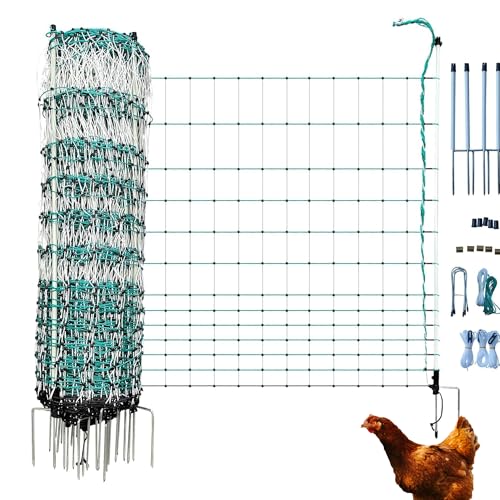
RentACoop Electric Poultry Netting Fence, 48 in x 168 ft
Portable electrified net that creates a safe foraging paddock and moves with the flock.

nolonly Solar Automatic Chicken Coop Door
Light-sensor door that locks the flock in at dusk so part-time ranging stays predator-safe.
Quick Comparison
| Factor | Free-Range | Enclosed Run |
|---|---|---|
| Space and exercise | Excellent | Limited by run size |
| Foraging and diet | Rich, varied | Whatever you provide |
| Predator safety | Lower, more exposure | Higher, contained |
| Garden risk | High | None outside the run |
| Feed cost | Slightly lower in season | Standard |
| Supervision needed | More | Less |
The Case for Free-Ranging
Free-ranging lets chickens do what comes naturally: roam, scratch, dust-bathe, and forage for greens, seeds, and insects. That activity keeps birds fit and engaged, cuts boredom-driven habits like feather picking, and can trim your feed bill a little during the warm months. Many keepers also find that foraging hens lay eggs with deeper, more colorful yolks and fuller flavor, because diet shapes the egg. For sheer chicken happiness, few setups beat a flock spread across a green yard on a summer evening.
The cost is exposure. Roaming birds are vulnerable to hawks overhead and foxes, dogs, and other ground predators, particularly when no one is watching. Free-ranging birds also treat gardens as a buffet and scratch up mulch and seedlings. None of this rules it out, but it means free-ranging works best with some protection and supervision rather than as a free-for-all.
The Case for a Run
A well-built run trades some freedom for a big gain in safety. With a covered, predator-proofed enclosure, your flock stays protected from hawks and ground predators around the clock, your garden stays intact, and you do not have to be home to keep the birds safe. A run also keeps chickens out of the road and the neighbors' yard, which matters in town. The trade-off is space: birds have only the room you give them, so a cramped run can lead to boredom and squabbling.
The answer is to build the run generously, at least 8 to 10 square feet per bird and more if you can, and to add enrichment: perches, a dust-bath area, hanging greens, and things to peck. A spacious, enriched run keeps a contained flock content and healthy.
Backyard Chicken Keepers Planner
Track your chicken's health, meds, vet visits, mobility, nutrition, and quality of life, all in one printable planner.
Egg Quality, Feed, and Health
Foraging birds often produce the richest eggs because their diet is varied, but the difference comes from the food, not the freedom. You can narrow the gap in a run by offering fresh greens, kitchen scraps within reason, and quality feed. On health, free-ranging spreads birds out and reduces parasite buildup, but it also exposes them to wild birds and unknown ground. A clean, well-drained run keeps disease pressure low and predictable. Both setups can raise healthy hens with attention to diet and sanitation.
The Best of Both: Supervised and Fenced Ranging
Most experienced keepers do not choose one extreme. They build a roomy, covered run for safe all-day living, then add foraging time on top. Portable electric poultry netting lets you create a protected paddock you can move around the yard, giving birds fresh ground without leaving them fully exposed. Evening supervised free-ranging, when a predator is less likely to strike with you nearby, is another favorite. An automatic coop door then locks everyone in safely at dusk. This layered approach delivers foraging and freedom while keeping the safety of a run.
Which Should You Choose?
Choose free-ranging if you have space, low predator pressure, time to supervise, and a garden you can protect. Choose a run if predators are a real threat, you are away during the day, or you want to safeguard your plants. For most backyards, the smartest answer is both: a large, secure run as home base, plus fenced or supervised foraging when you can manage it. Whichever you lean toward, a predator-tight coop to lock the flock in at night is non-negotiable.
Reviewed in detail
If you have narrowed the decision to one product, we go through it in detail here: Premier 1 PoultryNet Plus starter kit review and Omlet chicken fencing review.
Editor's Pick · Affiliate link
An Automatic Coop Door, the Upgrade Keepers Regret Waiting On
Nearly every predator loss happens because a door was open at dusk or dawn. An automatic opener closes on a light sensor or timer whether or not you are home, which is the single biggest reduction in risk available to a small flock.
Frequently Asked Questions
Is free-ranging better than keeping chickens in a run?
Each has clear trade-offs. Free-ranging gives chickens more space, exercise, and natural foraging, which many keepers value, but it exposes them to predators and can damage gardens. A secure run keeps birds safe and contained at the cost of less roaming room. Many keepers get the best of both with a large covered run plus supervised free-range time, balancing freedom against safety.
Do free-range eggs taste better?
Many keepers and studies report richer flavor and deeper orange yolks from birds that forage, thanks to the varied diet of greens, seeds, and insects. The difference comes from what the hen eats, not the roaming itself, so a run with fresh greens and good feed can come close. Still, true foraging access tends to produce the most vivid yolks and full flavor that free-range fans prize.
How much space do chickens need in a run?
Plan for at least 8 to 10 square feet of run space per bird, on top of about 4 square feet each inside the coop. More is always better, since crowded runs lead to boredom, bullying, feather picking, and muddy, smelly ground. If you cannot free-range, lean toward the larger end of the range and add enrichment like perches, dust baths, and hanging greens.
Are free-range chickens safe from predators?
Less so than birds in a covered run. Free-ranging exposes chickens to hawks from above and foxes, dogs, and other ground predators, especially without supervision or cover. You can reduce the risk with electric poultry netting, overhead cover or shrubs, a rooster or guard animal, and locking birds in a secure coop at night. A run remains the safest option when you cannot watch the flock.
Can I free-range chickens only part of the time?
Yes, and supervised part-time ranging is a popular middle path. Many keepers let the flock out for a few hours in the evening when they can keep an eye on them, then secure them in the run or coop the rest of the day. This gives birds foraging time and exercise while limiting predator exposure. An automatic coop door makes the secure-at-night part effortless.
Will free-ranging chickens ruin my garden?
They can. Chickens scratch up mulch, eat tender seedlings, and dig dust-bathing craters in flower beds. If you free-range near a garden, fence off vulnerable areas, range birds only when beds are established, or use a movable electric net to steer them away. Plenty of keepers free-range successfully, but it takes a little planning to protect prized plants.
Need more help with your flock?
Browse our guides by topic to find practical solutions.
Wellness Planner: $39