Hatching Eggs and Incubation: A Complete Beginner's Guide
A step-by-step guide to incubating chicken eggs: the 21-day timeline, temperature and humidity, turning, candling, lockdown, and what to do when chicks hatch.
Hatching your own chicks from eggs is one of the most rewarding experiences in chicken keeping, a front-row seat to new life appearing after exactly 21 days. It is also a process that rewards attention to detail, because eggs depend on steady temperature, the right humidity, and regular turning to develop properly. The good news is that the rules are clear and consistent, and once you understand them, a home hatch is well within reach. This guide walks you through incubation from setup to the moment chicks emerge. For a day-by-day view of exactly what is happening inside the egg on each of the 21 days, keep our egg incubation chart handy alongside this guide.
Incubation Equipment

MATICOOPX 20-Egg Incubator with Auto Turner and Candler
Circulating-air incubator with automatic turning, humidity display, and a built-in candler.

Onsju 18-Egg Incubator with Humidity Control
A compact automatic incubator with humidity display for smaller hatches.
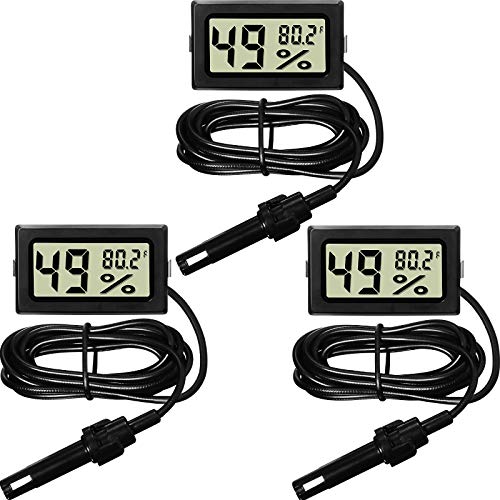
Weewooday Digital Thermometer and Humidity Gauge
An independent gauge to verify the incubator's temperature and humidity readings.

ZenxyHoC Brooder Heating Plate with Anti-Roost Cone
Have a warm brooder ready, since hatched chicks move there once dry and fluffy.
Start With Good Fertile Eggs
Everything begins with quality fertile eggs, since only fertilized eggs can develop into chicks. You will need a rooster running with your hens, or you can buy fertile hatching eggs from a breeder or hatchery. Choose clean, well-shaped eggs of normal size, avoiding cracked, misshapen, or unusually large or small ones. Store eggs you are collecting for a hatch pointy-end down in a cool spot for no more than about a week before setting them, turning them daily. Be aware that shipped hatching eggs, jostled in transit, tend to have lower hatch rates than eggs from your own birds.
Set Up and Stabilize the Incubator
Set up your incubator a day or two before you add eggs, so you can confirm it holds steady conditions before live embryos depend on it. Place it in a room with a stable temperature, out of direct sun and away from drafts and heating vents that cause swings. In a forced-air incubator with a fan, target about 99.5 degrees Fahrenheit. Verify it with an independent thermometer, since built-in readouts are not always accurate. This dry-run period lets you catch problems while they are harmless.
Temperature, Humidity, and Turning
Three variables govern a successful hatch, and stability matters more than perfection:
- Temperature: hold around 99.5 degrees Fahrenheit in a forced-air incubator throughout incubation. Too warm speeds development and can harm chicks, too cool slows it and delays hatching.
- Humidity: keep it around 45 to 55 percent for the first 18 days, then raise it to about 65 to 75 percent for the final three days. Add water to the incubator's reservoirs as directed to adjust.
- Turning: turn eggs several times a day, an odd number of times, until day 18, so the embryo does not stick to the membrane. An automatic egg turner does this reliably.
Backyard Chicken Keepers Planner
Track your chicken's health, meds, vet visits, mobility, nutrition, and quality of life, all in one printable planner.
Candling to Check Progress
Candling lets you peek inside the egg by shining a bright light through it in a dark room. Around day 7 to 10, you should see a network of veins and a small dark embryo in developing eggs, while clear eggs that show no growth were likely never fertile and can be removed so they do not spoil. Candle again around day 14 to 18 to confirm continued development and a growing air cell. Handle eggs gently and briefly, and stop candling once lockdown begins, since the eggs should be left undisturbed for the final stretch.
Lockdown: The Final Three Days
Days 18 to 21 are called lockdown, and they call for a hands-off approach. Stop turning the eggs so chicks can settle into hatching position, raise the humidity to roughly 65 to 75 percent, and keep the incubator closed. The higher humidity is critical: it keeps the inner membrane from drying out and shrink-wrapping the chick as it tries to hatch. Every time you open the lid during lockdown, you release that vital moisture, so resist the temptation to peek and let the eggs do their thing.
Hatch Day and Beyond
Around day 21, chicks begin to pip, making the first small hole in the shell, then slowly work their way around and push free. This is hard, exhausting work that can take many hours, and it is normal for there to be long pauses. Resist the urge to help, because intervening too early can cause fatal bleeding. A healthy chick almost always hatches on its own given time and proper humidity. Once hatched, leave chicks in the warm incubator until they are dry and fluffy, usually several hours to a day, before moving them to a brooder preheated to about 95 degrees.
From there, your newly hatched chicks need exactly what any baby chick needs: steady warmth dropping about 5 degrees each week, clean water with their beaks dipped to learn drinking, and complete chick starter feed. Keep notes on each hatch, including your temperature, humidity, and results, so you can refine your technique. No hatch is ever 100 percent, but with stable conditions and patience, watching your own eggs become a peeping brooder full of chicks is a thrill that never gets old.
Editor's Pick · Affiliate link
An Automatic Coop Door, the Upgrade Keepers Regret Waiting On
Nearly every predator loss happens because a door was open at dusk or dawn. An automatic opener closes on a light sensor or timer whether or not you are home, which is the single biggest reduction in risk available to a small flock.
Frequently Asked Questions
How long does it take to hatch chicken eggs?
Chicken eggs hatch in 21 days under proper conditions. The clock starts when the eggs begin steady incubation, not when they were laid. A day early or late is normal, but a hatch that runs several days off usually points to incorrect temperature, which speeds up or slows down development. Holding a stable, accurate temperature throughout is the most important factor in hitting that reliable 21-day mark.
What temperature and humidity do incubating eggs need?
In a forced-air incubator with a fan, hold the temperature steady at about 99.5 degrees Fahrenheit. Humidity should sit around 45 to 55 percent for the first 18 days, then rise to about 65 to 75 percent for the final three days of hatching. Stability matters more than chasing an exact number, so a reliable incubator and a good thermometer and hygrometer are essential for a successful hatch.
How often do I need to turn the eggs?
Eggs need turning several times a day, ideally an odd number like three or five times, so they do not rest the same way each night. Turning prevents the developing embryo from sticking to the shell membrane. An incubator with an automatic egg turner handles this for you. Stop turning entirely for the last three days before hatch, the lockdown period, so chicks can position themselves to pip and emerge.
What is candling and when do I do it?
Candling means shining a bright light through the egg in a dark room to see inside and check development. Around day 7 to 10 you can spot veins and a growing embryo, and you can remove clear eggs that never developed. Candle again around day 14 to 18 to confirm growth. Avoid candling during the final lockdown days, when eggs should be left undisturbed in the warm, humid incubator.
What is lockdown in incubation?
Lockdown is the final three days before hatching, roughly days 18 to 21. At this point you stop turning the eggs, raise the humidity to about 65 to 75 percent, and resist opening the incubator. The higher humidity keeps the inner membrane from drying out and trapping the chick as it hatches. Opening the lid during lockdown releases that crucial moisture, so let the eggs be and let the chicks do their work.
Why did some of my eggs not hatch?
Common reasons include eggs that were never fertile, incorrect or unstable temperature, humidity that was too high or too low, infrequent turning, or low-quality or shipped eggs that were jostled in transit. Candling helps you identify clear, non-developing eggs early. Even with excellent conditions, no hatch is ever 100 percent, so some losses are normal. Keep notes each hatch so you can refine your setup over time.
Should I help a chick hatch out of its shell?
Generally no. Hatching is hard work that can take many hours from the first pip to full emergence, and intervening too soon can cause fatal bleeding or injury. A healthy chick almost always hatches on its own given time and proper humidity. Only consider careful, gradual help in clear distress cases after a chick has been stuck far too long, and know that assisted hatches carry real risk.
Need more help with your flock?
Browse our guides by topic to find practical solutions.
Wellness Planner: $39