Chick Brooder Setup Guide: Build a Safe, Warm Brooder
How to set up a chick brooder step by step: the best container, bedding, heat source, feeders, waterers, space, and cover to raise healthy baby chicks safely.
A brooder is the warm, safe nursery where your baby chicks spend their first weeks, and getting it set up right before they arrive makes the whole experience smoother for you and safer for them. The good news is that a great brooder does not require special equipment or a big budget. It just needs to deliver four things reliably: warmth, clean water, good feed, and a dry, draft-free, predator-proof space. This guide covers exactly how to put it all together.
Brooder Setup Gear
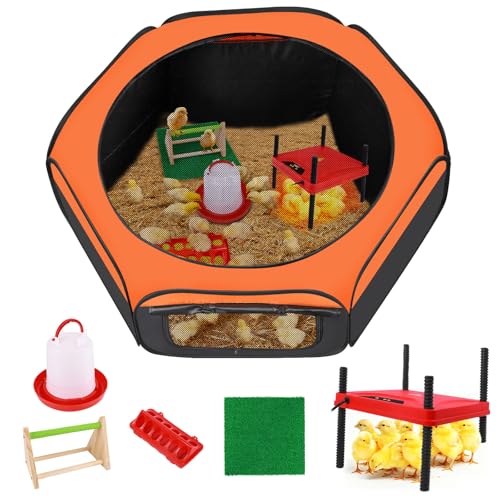
Phoncoo 6-in-1 Chick Brooder Box Starter Kit
An all-in-one brooder with built-in heat, feeder, and waterer for a tidy beginner setup.

ZenxyHoC Brooder Heating Plate with Anti-Roost Cone
Adjustable-height radiant heat plate that mimics a mother hen and lowers fire risk.

TempPro Digital Thermometer and Humidity Gauge
A simple gauge to monitor temperature at chick level inside the brooder.

ZenxyHoC 2-in-1 Chick Feeder and Waterer Set
Anti-drown waterer and low-profile feeder sized for the brooder.
Choosing the Right Container
Your brooder needs high, smooth walls, plenty of floor space, and an easy way for you to reach in and clean. A large plastic storage tote is a favorite among beginners because it is cheap, easy to wipe down, and tall enough to keep young chicks contained. Galvanized stock tanks are roomy and durable, sturdy cardboard boxes are free and disposable, and all-in-one brooder kits bundle the heat and feeders together for convenience. Whatever you pick, make sure it has no sharp edges, no gaps that trap heads or feet, and no slick floor that causes leg problems.
Size it for growth, not for day one. Chicks double and redouble in size remarkably fast, so a container that feels enormous around six tiny chicks will be crowded within weeks. It is far easier to start big than to scramble for a bigger box later.
Bedding That Keeps Chicks Dry
Pine shavings are the go-to bedding. They absorb droppings and spilled water, keep odor in check, and give chicks secure footing. Spread a couple of inches across the floor. For the first three or four days, lay paper towels over the shavings so new chicks do not fill up on bedding before they recognize their feed, then peel the towels away once everyone is eating reliably.
Skip two common mistakes. Newspaper is slippery and can cause splayed legs, a preventable deformity. Cedar shavings smell pleasant to us but release aromatic oils that can irritate a chick's delicate airways, so stick with pine or another safe, low-dust option.
The Heat Source
Warmth is non-negotiable. A brooder heating plate is the safest and most natural option. It sits low, radiates gentle heat from underneath, and lets chicks tuck under it when cold and walk away when warm, just like sheltering under a hen. Set the plate so chicks can reach about 95 degrees Fahrenheit underneath in week one, then raise the legs to cool things by roughly 5 degrees each week. Place the heat at one end of the brooder, never the center, so chicks always have a cooler zone to retreat to.
Heat lamps are the traditional alternative but carry genuine fire risk and can overheat a brooder quickly. If you use one, hang it securely with at least two independent supports, keep it well away from bedding, and check the temperature often. Whatever heat you use, let chick behavior be your final guide: evenly spread and active is the target.
Backyard Chicken Keepers Planner
Track your chicken's health, meds, vet visits, mobility, nutrition, and quality of life, all in one printable planner.
Feeders and Waterers
Position feed and water at the cooler end of the brooder, away from the heat, so they stay fresh and chicks are not forced to choose between warmth and a drink. Use a purpose-made chick waterer rather than an open bowl, since chicks can chill or drown in standing water. A trough waterer with a narrow lip or nipple-style drinkers both work well. Refresh water at least daily, because chicks will quickly fill it with bedding and droppings.
For feeders, a long trough or a covered feeder reduces waste and keeps chicks from standing in and soiling their food. Fill with chick starter crumble and keep it available around the clock. As chicks grow, raise feeders and waterers slightly, to roughly back height, to cut down on spillage and contamination.
Cover, Cleaning, and Safety
For the first week or two an open brooder is fine, but chicks start to flutter and attempt short flights around two to three weeks, so add a breathable cover such as hardware cloth or screen. A cover keeps chicks in and pets out while still allowing the airflow chicks need. Make sure your brooder location is genuinely safe from cats, dogs, rodents, and drafts.
Build cleaning into your daily routine. Remove obvious droppings, mop up any spilled water, and change damp bedding promptly. Wet, dirty bedding is the number one cause of chilling and disease in young chicks, so a dry, clean brooder is your best insurance. With a thoughtful setup in place, daily care takes just minutes, and you can spend the rest of your time enjoying the fast, fascinating process of watching tiny chicks grow into a thriving flock.
Editor's Pick · Affiliate link
An Automatic Coop Door, the Upgrade Keepers Regret Waiting On
Nearly every predator loss happens because a door was open at dusk or dawn. An automatic opener closes on a light sensor or timer whether or not you are home, which is the single biggest reduction in risk available to a small flock.
Frequently Asked Questions
What can I use as a brooder for baby chicks?
Almost any clean, draft-free, predator-proof container with high walls works. Popular choices include large plastic storage totes, galvanized stock tanks, sturdy cardboard boxes, and purpose-built brooder boxes. The key requirements are walls tall enough that chicks cannot hop out, enough floor space for the flock to grow, easy access for cleaning, and a spot safe from drafts and household pets.
How much space do baby chicks need in a brooder?
Plan for at least half a square foot per chick in the first week or two, increasing to a full square foot or more as they feather out. Chicks grow fast, so a brooder that looks roomy on day one gets crowded quickly. Crowding causes stress, picking, and dirtier conditions, so size up generously or be ready to move chicks to a larger space within a few weeks.
What is the best bedding for a chick brooder?
Pine shavings are the standard choice because they absorb moisture, control odor, and give chicks good footing. For the first few days you can lay paper towels over the shavings so chicks do not eat bedding before they learn to eat feed. Avoid newspaper, which is too slippery and can cause splayed legs, and avoid cedar shavings, whose oils can irritate chicks' respiratory systems.
Do I need a lid or cover on my brooder?
Yes, once chicks are a couple of weeks old. Around two to three weeks they start to flutter and attempt short flights, and they will hop out of an open brooder. A breathable cover such as hardware cloth or a screen keeps chicks contained and, just as importantly, keeps cats, dogs, and other pets out. Make sure any cover still allows plenty of ventilation.
Where should I put the brooder?
Choose an indoor or sheltered space that stays draft-free and out of direct sun, such as a spare room, garage, basement, or mudroom. It should be safe from family pets, predators, and temperature swings. Be aware that brooders create dust and odor, so a garage or utility area is often more practical than a living room, as long as it stays warm enough and free of fumes from vehicles or chemicals.
How do I keep the brooder warm enough?
Provide a dedicated heat source, ideally a brooder heating plate that chicks can tuck under and step away from at will. Aim for about 95 degrees Fahrenheit under the heat in week one, dropping roughly 5 degrees per week. Position the heat at one end so chicks can move toward or away from it to self-regulate, and use chick behavior, not just a thermometer, to confirm they are comfortable.
How often should I clean the brooder?
Spot-clean droppings and refresh fouled bedding daily, and do a fuller bedding change whenever it gets damp or starts to smell. A waterer that spills creates wet bedding fast, which is the leading cause of chilling and disease in chicks. Keeping the brooder clean and dry is the most important thing you can do to keep your chicks healthy through their first vulnerable weeks.
Need more help with your flock?
Browse our guides by topic to find practical solutions.
Wellness Planner: $39