Rhode Island Red Chickens: Breed & Care Guide
Everything backyard keepers need on Rhode Island Red chickens: 250-300 brown eggs a year, hardy dual-purpose temperament, cold tolerance, size, and care tips.
If one breed deserves the title of the classic American backyard chicken, it is the Rhode Island Red. Developed in the late 1800s in Rhode Island and Massachusetts, this dual-purpose bird became the backbone of small farms and homesteads for good reason. Reds are tough, productive, and easygoing, the kind of chicken that keeps laying when fussier breeds quit. For a first-time keeper who wants dependable brown eggs without complicated care, it is hard to do better.
Top Picks for Rhode Island Red Keepers
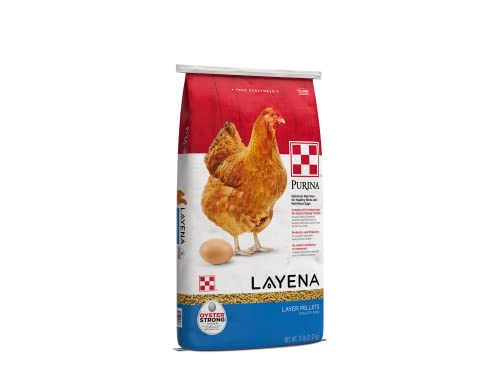
Purina Layena Layer Pellets, 25 lb
16% protein complete layer feed to fuel a Red's heavy egg output.

Pecking Order Oyster Shell Calcium Supplement
Free-choice calcium for strong shells from a prolific brown-egg layer.

VEVOR Metal Chicken Nesting Boxes, 4-Compartment
Roll-out nest boxes keep those large brown eggs clean and crack-free.
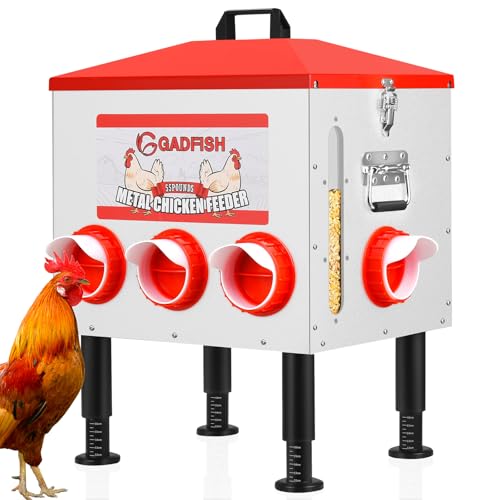
GADFISH 55 lb Automatic Chicken Feeder
Large no-waste feeder cuts daily chores for an active foraging flock.
Egg production and egg color
Rhode Island Reds are among the best brown-egg layers you can keep. A healthy hen produces roughly 250 to 300 large brown eggs per year at peak, which works out to five or six eggs a week. Production-bred lines lean toward the higher end of that range, while heritage Reds may settle a little lower but lay for more years. Pullets typically start laying around 18 to 20 weeks of age, a touch earlier than many heritage breeds.
The eggs themselves are a rich medium-brown, large, and consistent in size once a hen hits her stride. To keep that output steady, feed a complete layer ration of about 16 percent protein and offer crushed oyster shell free-choice so hens can self-regulate the extra calcium that shell production demands. Production naturally dips during the annual molt and through the shortest days of winter unless you add supplemental light.
Temperament and personality
Red hens are calm, confident, and friendly without being clingy. They are active foragers that love to range, scratch, and hunt bugs, which makes them economical to feed when they have yard access. Most settle into the flock pecking order without drama and tolerate handling well, though they are more businesslike than lap-chicken breeds like Silkies or Orpingtons.
Roosters are a different story. Rhode Island Red cockerels have a long-standing reputation for being assertive and occasionally territorial, particularly in spring. Calm, consistent handling from a young age helps a great deal, but if you keep chickens only for eggs, skip the rooster entirely. Hens lay perfectly well without one; a rooster is needed only for fertile eggs you intend to hatch.
Cold and heat hardiness
Reds earn their homestead reputation partly through sheer resilience. Their solid body mass and tight plumage make them genuinely cold-hardy, and like most chickens they handle cold better than extreme heat. The one winter weak point is the single comb, which can suffer frostbite in hard freezes. The fix is dry, draft-free ventilation, because trapped moisture causes frostbite far more than cold air alone. A thin smear of petroleum jelly on combs and wattles before a deep freeze adds insurance.
In hot climates, Reds do fine with shade, constant cool water, and good airflow. Watch for heat stress signs like panting and wing-holding on the hottest afternoons, and consider adding electrolytes to the water during heat waves.
Size and dual-purpose value
This is a medium to large breed. Hens average around 6.5 pounds and roosters around 8.5 pounds, with a deep, rectangular "brick-shaped" body. That size is what makes the Red genuinely dual-purpose: productive enough for eggs, substantial enough to have served as a table bird on old homesteads. Today most keepers value them as layers, but the heft means they need real space, about 4 square feet of coop floor per bird plus 8 to 10 square feet each in the run.
| Trait | Rhode Island Red |
|---|---|
| Eggs per year | 250-300 |
| Egg color | Brown, large |
| Temperament | Hardy, active, calm hens (assertive roosters) |
| Cold hardiness | Very good (watch single comb) |
| Heat tolerance | Good with shade and water |
| Mature weight | Hen ~6.5 lb, rooster ~8.5 lb |
| Broodiness | Low (heritage lines slightly higher) |
| Best for | Reliable brown eggs, beginners, homesteads |
Broodiness and raising chicks
If you want a self-replenishing flock, the Red is not your ideal setter. Decades of selection for egg output have largely bred broodiness out of production strains, so most Reds will not sit on a clutch. Heritage lines go broody a bit more often, but it is unpredictable. Keepers who want to hatch usually run an incubator or keep a reliably broody breed like a Silkie or Orpington alongside their Reds to do the mothering.
Everyday care basics
Caring for Reds is refreshingly straightforward. Provide a complete layer feed once pullets reach point of lay, fresh water at all times, insoluble grit if they free-range or eat anything besides commercial pellets, and free-choice oyster shell for calcium. Give one nesting box per three to four hens, a dry roost off the floor, and secure housing against predators. Keep bedding dry, watch for external parasites like mites, and you will have a flock that rewards you with eggs for years.
Backyard Chicken Keepers Planner
Track your chicken's health, meds, vet visits, mobility, nutrition, and quality of life, all in one printable planner.
Is the Rhode Island Red right for you?
Choose a Rhode Island Red if you want maximum reliable brown eggs from a tough, low-maintenance bird that forgives beginner mistakes. They are not the cuddliest breed and the roosters can be bossy, but for sheer productivity and resilience the Red remains the gold standard backyard layer. Pair a few Reds with a calmer breed or two and you will have a balanced, productive flock that suits almost any climate.
Editor's Pick · Affiliate link
An Automatic Coop Door, the Upgrade Keepers Regret Waiting On
Nearly every predator loss happens because a door was open at dusk or dawn. An automatic opener closes on a light sensor or timer whether or not you are home, which is the single biggest reduction in risk available to a small flock.
Frequently Asked Questions
How many eggs do Rhode Island Reds lay per year?
A healthy, well-fed Rhode Island Red hen lays roughly 250 to 300 large brown eggs per year at her peak, which usually falls in her first and second laying seasons. Production starts around 18 to 20 weeks of age. Hens slow down during winter, molt, and as they get older, but Reds hold their lay better than most heritage breeds, often laying decently into their third and fourth years.
Are Rhode Island Reds good for beginners?
Yes. Rhode Island Reds are one of the most beginner-friendly breeds because they are hardy, forgiving of small care mistakes, and lay reliably without fancy management. They handle heat and cold well, forage actively to lower feed costs, and do not need heated coops in most climates. Just give them clean water, layer feed, calcium, and predator-proof housing and they thrive.
Are Rhode Island Red roosters aggressive?
Rhode Island Red hens are calm and easygoing, but the roosters have a reputation for being assertive and sometimes territorial, especially during breeding season. This is individual and manageable with calm, consistent handling from a young age. If you only want eggs, you do not need a rooster at all. Hens lay just as well without one, since a rooster is only required for fertile, hatchable eggs.
Are Rhode Island Reds cold-hardy?
Reds are quite cold-hardy thanks to their solid body mass and tight feathering. The main winter concern is their single comb, which can be prone to frostbite in hard freezes. Keep the coop dry and well-ventilated without drafts, since moisture causes frostbite more than cold itself does. A thin coat of petroleum jelly on combs and wattles before a deep freeze adds extra protection.
How big do Rhode Island Reds get?
Rhode Island Reds are a medium to large dual-purpose breed. Hens weigh around 6.5 pounds and roosters around 8.5 pounds. Their solid size makes them productive layers that are also substantial enough for meat, which is why they were historically a true homestead all-rounder. They need about 4 square feet of coop space per bird inside plus 8 to 10 square feet each in the run.
Do Rhode Island Reds go broody?
Not often. Modern production-strain Rhode Island Reds have had much of the broodiness bred out of them to maximize egg output, so they rarely sit on eggs to hatch chicks. Heritage-line Reds are slightly more likely to go broody. If you want chicks and your Reds will not set, you will need an incubator or a broody hen of a different breed, such as a Silkie or Orpington.
Need more help with your flock?
Browse our guides by topic to find practical solutions.
Wellness Planner: $39