Leghorn Chickens: Prolific White-Egg Breed Guide
A complete guide to Leghorn chickens: 280-320 white eggs a year, active flighty temperament, heat tolerance, comb frostbite tips, size, and care.
If you want the most eggs per pound of feed, the Leghorn is the breed that built the commercial egg industry. Lean, active, and astonishingly productive, the white Leghorn lays a torrent of large white eggs and rarely takes a day off. It is not a cuddly lap chicken, and its energetic, flighty nature takes a little managing, but for sheer laying efficiency in a hardy, heat-tolerant package, no breed beats it.
Top Picks for Leghorn Keepers
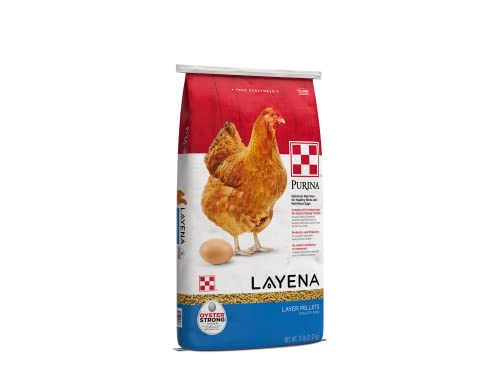
Purina Layena Layer Pellets, 25 lb
Complete 16% layer feed to sustain a prolific white-egg producer.

Pecking Order Oyster Shell Calcium Supplement
Free-choice calcium is critical for a hen laying nearly every day.
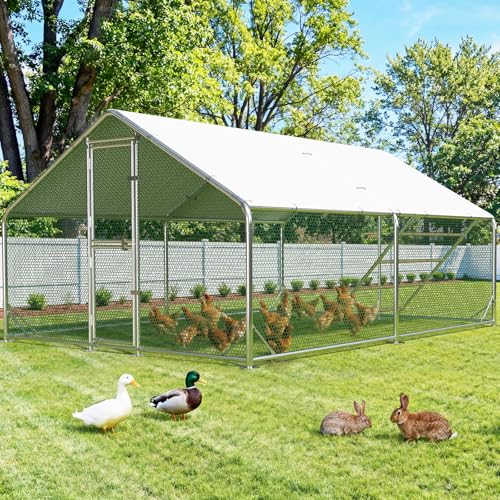
Sannwsg Large Walk-in Chicken Coop & Run
A covered run helps contain strong-flying, active Leghorns.

VEVOR Metal Chicken Nesting Boxes, 4-Compartment
Roll-out nests keep a high volume of white eggs clean and intact.
Egg production and egg color
Egg production is the Leghorn's entire reason for being. A healthy hen lays roughly 280 to 320 large white eggs per year, often five or six a week, and the breed converts feed into eggs more efficiently than almost any other. Pullets are early starters, frequently laying by 16 to 18 weeks, and they hold production well into their second and third years rather than dropping off quickly.
The eggs are bright white and large, the classic supermarket egg, since commercial white-egg hybrids are Leghorn-based. To sustain that output, feed a complete 16 percent layer ration and provide free-choice oyster shell, because a hen laying nearly daily draws heavily on calcium for shells. Even Leghorns slow down during molt and the darkest winter weeks unless you add supplemental light.
Temperament and personality
Leghorns are alert, active, and independent. They are excellent, busy foragers that thrive with space to roam, and that same energy makes them flighty and wary compared to placid breeds. They are strong flyers, so a covered run or clipped wings may be needed to keep them home. They are not aggressive, but they generally dislike being handled and rarely become pets.
Calm, consistent handling from chickhood helps them tolerate people better, and their wariness is actually an asset against predators when free-ranging. If you want a productive bird that mostly does its own thing, the Leghorn's personality fits perfectly; if you want a lap chicken, look elsewhere.
Heat tolerance and cold-weather care
Leghorns are built for heat. Their lean, light bodies and large single combs and wattles shed body heat efficiently, making them one of the better breeds for hot climates as long as they have shade and cool water. That same large comb is their winter weakness, since it is prone to frostbite in hard freezes.
They still keep laying through winter better than many breeds, and they do fine in cold regions with the right management: a dry, draft-free coop, strong ventilation to prevent moisture buildup, and a thin coat of petroleum jelly on the comb and wattles before a deep freeze. Rose-combed Leghorn strains exist specifically to reduce frostbite risk in cold climates.
Size and appearance
Leghorns are a lightweight breed, which is part of why they are so feed-efficient. Hens weigh around 4.5 pounds and roosters around 6 pounds. The white Leghorn with its single comb is by far the most common, but the breed also comes in brown, buff, black, and other colors, and in single-comb and rose-comb types. Their light frame and flying ability mean fencing and run design matter more than with heavy breeds.
| Trait | Leghorn |
|---|---|
| Eggs per year | 280-320 |
| Egg color | White, large |
| Temperament | Active, alert, flighty, independent |
| Cold hardiness | Fair (large comb frostbite risk) |
| Heat tolerance | Excellent |
| Mature weight | Hen ~4.5 lb, rooster ~6 lb |
| Broodiness | Very low (rarely sets) |
| Best for | Maximum white eggs, hot climates, feed efficiency |
Broodiness and raising chicks
Broodiness has been almost entirely bred out of the Leghorn to keep hens laying rather than sitting. This is a genuine advantage if you only want eggs, because your hens rarely interrupt production to brood. The flip side is that you cannot count on a Leghorn to hatch and raise chicks, so if you want to expand the flock from Leghorn eggs you will need an incubator or a broody hen of another breed to do the setting and mothering.
Everyday care
Day-to-day care is simple. Feed a complete layer ration at point of lay, keep cool fresh water available at all times, offer insoluble grit for foragers, and provide free-choice oyster shell. Give one nesting box per three to four hens, dry roosts off the floor, and a secure, ideally covered run to contain their flying. Keep bedding dry, watch for mites and lice, and protect that comb in winter.
Backyard Chicken Keepers Planner
Track your chicken's health, meds, vet visits, mobility, nutrition, and quality of life, all in one printable planner.
Is the Leghorn right for you?
Choose a Leghorn if your top priority is white eggs in quantity, feed efficiency, and heat tolerance, and you are happy with an active, independent bird rather than a pet. They are ideal for hot climates and keepers who want maximum output. If you want a calm, handleable, brown-egg layer or a bird that will brood its own chicks, a Plymouth Rock, Australorp, or Orpington is a better fit. For pure laying power, though, the Leghorn is the benchmark.
Editor's Pick · Affiliate link
An Automatic Coop Door, the Upgrade Keepers Regret Waiting On
Nearly every predator loss happens because a door was open at dusk or dawn. An automatic opener closes on a light sensor or timer whether or not you are home, which is the single biggest reduction in risk available to a small flock.
Frequently Asked Questions
How many eggs do Leghorns lay per year?
Leghorns are prolific layers, producing roughly 280 to 320 large white eggs per year, often five or six a week and sometimes more. The white Leghorn is the foundation of the commercial egg industry precisely because of this output combined with efficient feed conversion. Pullets start laying early, often around 16 to 18 weeks of age, and they keep laying well even through their second and third years.
What color eggs do Leghorns lay?
Leghorns lay large white eggs, and they lay a lot of them. The bright white shell is one of the breed's signatures and the reason most supermarket white eggs come from Leghorn-based commercial hybrids. The eggs start medium-sized from a young pullet and quickly reach large size. If you want a pure-white egg basket, the Leghorn is the classic choice.
Are Leghorns good for beginners?
Leghorns are productive and hardy but not the easiest first breed for everyone. They are active, alert, and flighty, less inclined to be handled or to become pets than calmer breeds like Orpingtons or Plymouth Rocks. They are also good flyers that may need clipped wings or a covered run. If your priority is maximum white eggs and you do not mind a more independent, energetic bird, they are an excellent choice.
Are Leghorns cold-hardy?
Leghorns are more heat-tolerant than cold-tolerant. Their lean, light bodies and large single combs help them shed heat in summer but make them more prone to comb frostbite in hard winters. They still do fine in cold climates with the right setup: a dry, draft-free coop, good ventilation, and a thin coat of petroleum jelly on the comb before deep freezes. Rose-combed Leghorn lines handle cold better.
Why are my Leghorns so flighty and nervous?
It is simply the breed's nature. Leghorns are alert, active, and high-strung compared to docile breeds, a trait tied to their excellent foraging ability and their wariness of predators. They are strong flyers and dislike being confined too closely. Calm, consistent handling from chickhood helps them settle, but they will never be lap chickens. Give them space to range and they channel that energy into foraging.
Do Leghorns go broody?
Rarely. Broodiness has been almost entirely bred out of Leghorns to maximize egg production, so they very seldom sit on eggs to hatch chicks. This is a plus if you only want eggs, since the hens keep laying instead of pausing to brood. If you want to hatch chicks from Leghorn eggs, you will need an incubator or a broody hen of another breed to do the setting.
Need more help with your flock?
Browse our guides by topic to find practical solutions.
Wellness Planner: $39