Best Chicken Breeds for Beginners: Easy First Hens
The best beginner chicken breeds compared: Buff Orpington, Australorp, Plymouth Rock, Rhode Island Red, Sussex, and Wyandotte, with eggs, temperament, and care tips.
Starting a backyard flock is exciting, but the wrong breed can make those first months harder than they need to be. The best beginner chickens are calm, hardy, reliable layers that forgive small mistakes while you learn the ropes. Skip the flighty, fussy, or high-maintenance breeds for now and start with the proven, easygoing birds below. They will reward you with steady eggs, gentle personalities, and a confident start to chicken keeping.
Beginner Flock Essentials
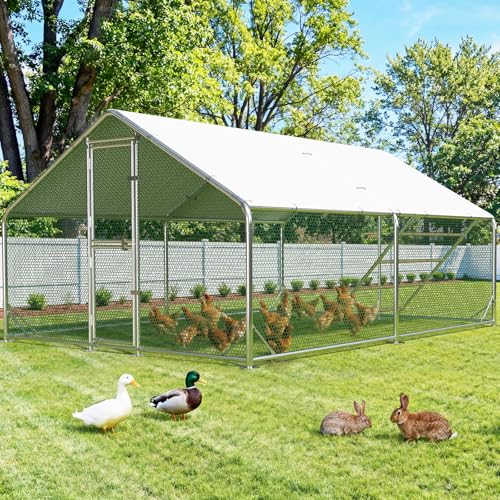
Sannwsg Large Walk-in Chicken Coop & Run
A roomy, predator-resistant coop is the foundation for a first flock.

Manna Pro Layer Pellets Chicken Feed, 16% Protein
Complete layer feed once your beginner hens reach point of lay.

ZenxyHoC 3.6 Gal Chicken Waterer
Easy-fill waterer keeps fresh water available all day with less fuss.

VEVOR Metal Chicken Nesting Boxes, 4-Compartment
Simple roll-out nests keep first eggs clean and easy to collect.
What makes a breed beginner-friendly
The ideal first chicken checks a few boxes: a calm, docile temperament that tolerates handling, strong general hardiness in both heat and cold, dependable egg laying, and a forgiving nature that shrugs off the inevitable beginner mistakes. We also favor breeds that tolerate confinement, are widely available from hatcheries, and are not so broody that they constantly stop laying. The breeds below all fit, and several are also wonderful around children.
Best beginner breeds at a glance
| Breed | Eggs/year | Egg color | Temperament | Why it suits beginners |
|---|---|---|---|---|
| Buff Orpington | 180-220 | Light brown | Very gentle, lap-chicken | Calm, cold-hardy, great with kids |
| Australorp | 250-300 | Brown | Calm, friendly | Top eggs plus easy temperament |
| Plymouth Rock | 200-280 | Brown | Friendly, sociable | Hardy, winter layer, forgiving |
| Rhode Island Red | 250-300 | Brown | Hardy, active | Tough, reliable all-rounder |
| Sussex | 200-250 | Light brown | Curious, gentle | Adaptable, good forager |
| Wyandotte | 200-240 | Brown | Calm, confident | Very cold-hardy, low-fuss |
Buff Orpington: the gentle favorite
If you want a chicken that feels like a pet, the Buff Orpington is the classic beginner choice. These plush golden hens are calm, affectionate, and often happy to be held, making them ideal for families with children. They are exceptionally cold-hardy and forgiving of care mistakes. They lay a respectable 180 to 220 light-brown eggs a year and go broody often, which is charming if you want chicks and easy to manage if you do not.
Australorp: easy and productive
The Australorp gives beginners the best of both worlds: a calm, friendly temperament plus outstanding egg production of 250 to 300 brown eggs a year. It is hardy in both heat and cold, settles peacefully into a flock, and tolerates handling well. If you want your first birds to be both pleasant and genuinely productive, the Australorp is hard to beat and is our top all-around beginner pick.
Plymouth Rock and Rhode Island Red: hardy classics
These two American classics built their reputations on small farms for good reason. The Plymouth Rock is friendly, sociable, and known for laying through cold winters, producing 200 to 280 brown eggs a year. The Rhode Island Red is a tough, low-maintenance all-rounder laying 250 to 300 brown eggs a year that forgives almost any beginner error. Both are dependable, hardy, and widely available, making them safe first choices.
Sussex and Wyandotte: adaptable and cold-hardy
The Sussex is a curious, gentle dual-purpose breed that forages well and adapts to most setups, laying 200 to 250 light-brown eggs a year. The Wyandotte is a strikingly beautiful, very cold-hardy breed with a low-maintenance nature, laying 200 to 240 brown eggs a year, ideal if you live somewhere cold. Both are calm enough for beginners and add variety and beauty to a starter flock.
Getting your first flock started
Begin with three to six hens, since chickens are social and need company, and one to two hens per family member usually covers a household's egg needs. You do not need a rooster for eggs. Before the birds arrive, set up a predator-proof coop with about 4 square feet per bird inside and 8 to 10 square feet each in the run, plus nesting boxes, a roost, feed, and water. Raise chicks on starter feed, then switch to layer feed at point of lay.
Backyard Chicken Keepers Planner
Track your chicken's health, meds, vet visits, mobility, nutrition, and quality of life, all in one printable planner.
Bottom line
For a smooth start, choose calm, hardy, dependable breeds and resist the temptation of flighty or fussy birds until you have a season under your belt. A small mixed flock of Buff Orpingtons, Australorps, and Plymouth Rocks gives you gentle personalities, steady eggs, and resilience in almost any climate. Get the basics of food, water, and secure housing right, and these beginner-friendly breeds will make your first year of chicken keeping a genuine pleasure.
Editor's Pick · Affiliate link
An Automatic Coop Door, the Upgrade Keepers Regret Waiting On
Nearly every predator loss happens because a door was open at dusk or dawn. An automatic opener closes on a light sensor or timer whether or not you are home, which is the single biggest reduction in risk available to a small flock.
Frequently Asked Questions
What is the easiest chicken breed for beginners?
The Buff Orpington and the Australorp are two of the easiest breeds for beginners. Orpingtons are gentle, calm, and forgiving, almost like pets, while Australorps add outstanding egg production to a docile temperament. Both are hardy, tolerate confinement well, and handle minor care mistakes. Plymouth Rocks and Rhode Island Reds are also excellent first birds, combining friendliness with reliable laying.
How many chickens should a beginner start with?
Start with three to six hens. Chickens are flock animals and need at least three companions to feel secure, and a small flock of three to six gives you a steady egg supply without overwhelming a first-time keeper. A good rule is one to two hens per family member for eggs. You can always add more later, though introducing new birds takes some care to manage the pecking order.
Do beginners need a rooster?
No. Hens lay eggs perfectly well without a rooster; a rooster is only needed for fertile, hatchable eggs. Most beginners skip the rooster entirely, which also avoids crowing, potential aggression, and zoning issues many towns have against roosters. Start with hens only, and add a rooster later only if you decide you want to hatch your own chicks.
What do beginner chickens need to stay healthy?
The essentials are a predator-proof coop with about 4 square feet per bird inside plus 8 to 10 square feet each in the run, a complete layer feed, constant fresh water, free-choice oyster shell for calcium, grit for digestion, nesting boxes, and a roost. Keep bedding dry, collect eggs daily, and watch for signs of illness or parasites. Good ventilation without drafts prevents most cold-weather problems.
Which chicken breeds are friendliest with children?
Buff Orpingtons and Silkies are the friendliest breeds for children. Orpingtons are calm, sturdy lap chickens, while Silkies are tiny, exceptionally gentle, and love being held, though they are poor layers. Plymouth Rocks, Australorps, and Cochins are also docile and tolerant of kids. Avoid flighty or assertive breeds like Leghorns for young children, since they dislike handling and are harder to catch.
Are some chicken breeds too hard for beginners?
Some breeds are better left until you have experience. Very flighty breeds like Leghorns and game birds dislike handling and can be challenging, and high-maintenance ornamental breeds may need special care. Extremely broody breeds can frustrate keepers who only want eggs. None are impossible, but beginners do best starting with calm, hardy, dependable breeds and branching out once they know the basics.
Need more help with your flock?
Browse our guides by topic to find practical solutions.
Wellness Planner: $39