Australorp Chickens: Record-Laying Breed Guide
A complete guide to Australorp chickens: 250-300 brown eggs a year, world-record laying, calm temperament, cold and heat hardiness, size, and care.
When backyard keepers argue about the single best laying breed, the Australorp is always in the conversation. Developed in Australia from Black Orpington stock and bred relentlessly for production, this glossy black hen holds the world egg-laying record and pairs that output with a calm, friendly nature that makes it a joy to keep. If you want a hardworking layer that is also a pleasure to have in the yard, the Australorp is tough to beat.
Top Picks for Australorp Keepers
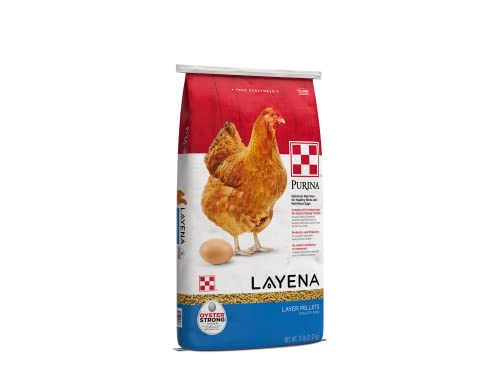
Purina Layena Layer Pellets, 25 lb
Complete 16% layer feed to support a record-class egg producer.

Pecking Order Oyster Shell Calcium Supplement
Free-choice calcium is essential for a hen laying nearly every day.

VEVOR Metal Chicken Nesting Boxes, 4-Compartment
Roll-out nests keep a heavy layer's daily eggs clean and protected.

ZenxyHoC 3.6 Gal Chicken Waterer
Steady fresh water keeps egg output high through heat and cold.
Egg production and egg color
The Australorp's claim to fame is egg production. Backyard hens reliably lay 250 to 300 large brown eggs per year, and the breed set the historic record of 364 eggs in 365 days under contest conditions in the 1920s. You will not match that at home, but five or six eggs a week from a relaxed, hardy hen is entirely normal. Pullets usually begin laying around 20 to 22 weeks of age.
The eggs are large and a pleasant medium-brown. Sustaining that volume takes good nutrition: feed a complete 16 percent layer ration and offer crushed oyster shell free-choice, because a hen laying nearly every day pulls a lot of calcium from her body for shells. Output dips during molt and the darkest weeks of winter, which is normal and healthy.
Temperament and personality
Australorps are wonderfully easygoing. They are calm, gentle, and friendly, often becoming quite tame and tolerant of handling without being as needy as an Orpington. They settle well into mixed flocks, rarely cause conflict, and are quiet enough for suburban backyards. Their docility makes them a great choice for families and beginners who want a productive bird that is also pleasant to be around.
They are active foragers and enjoy free-ranging, which lowers feed costs and keeps them busy and content. Their calm temperament means they are not flighty and a standard run fence contains them easily.
Cold and heat hardiness
One of the Australorp's underrated strengths is its all-around hardiness. Its solid body and good feathering handle cold winters well, and its Australian heritage gives it better heat tolerance than many heavy breeds. That combination makes it a sensible pick for almost any climate. As with all single-combed chickens, the comb is the frostbite weak point, so keep the winter coop dry and well-ventilated without drafts. In summer, provide shade, cool water, and airflow to keep your top layer comfortable and producing.
Size and appearance
Australorps are a medium to large dual-purpose breed. Hens weigh about 6.5 to 8 pounds and roosters about 8.5 to 10 pounds. The classic and by far most common color is solid black with a brilliant beetle-green sheen that shimmers in sunlight, set off by a bright red single comb, dark eyes, and slate legs. Their full, rounded bodies need real space, roughly 4 square feet of coop floor per bird plus 8 to 10 square feet each in the run.
| Trait | Australorp |
|---|---|
| Eggs per year | 250-300 (record 364) |
| Egg color | Brown, large |
| Temperament | Calm, friendly, easygoing |
| Cold hardiness | Very good (watch single comb) |
| Heat tolerance | Good (better than most heavy breeds) |
| Mature weight | Hen ~6.5-8 lb, rooster ~8.5-10 lb |
| Broodiness | Moderate (calm mothers) |
| Best for | Top egg production, beginners, any climate |
Broodiness and raising chicks
Australorps strike a useful balance on broodiness. They are far less likely to quit laying for the nest than an Orpington or Silkie, but they will go broody occasionally, and when they do they tend to be calm, dependable mothers. That makes them flexible: a serious everyday layer that can still hatch the odd clutch if you let her. If you only want eggs, collect daily and break a persistent broody spell early so she returns to lay.
Everyday care
Care is simple and beginner-friendly. Provide a complete layer feed at point of lay, constant fresh water, insoluble grit for foragers, and free-choice oyster shell. Offer one nesting box per three to four hens, dry roosts off the floor, and predator-proof housing. Keep bedding clean and dry, check periodically for mites and lice, and your Australorps will keep the egg basket full with very little fuss.
Backyard Chicken Keepers Planner
Track your chicken's health, meds, vet visits, mobility, nutrition, and quality of life, all in one printable planner.
Is the Australorp right for you?
Choose an Australorp if you want maximum eggs without sacrificing temperament. It delivers record-class brown-egg production in a calm, hardy, climate-flexible package that suits beginners and experienced keepers alike. There is very little downside: the only keepers who might look elsewhere are those wanting an extremely heat-loving white-egg layer or a dedicated broody hen. For nearly everyone else, the Australorp is one of the smartest birds you can put in a backyard flock.
Editor's Pick · Affiliate link
An Automatic Coop Door, the Upgrade Keepers Regret Waiting On
Nearly every predator loss happens because a door was open at dusk or dawn. An automatic opener closes on a light sensor or timer whether or not you are home, which is the single biggest reduction in risk available to a small flock.
Frequently Asked Questions
How many eggs do Australorps lay per year?
Australorps are among the best brown-egg layers in the world, producing roughly 250 to 300 large brown eggs per year in a typical backyard, with well-managed hens reaching even higher. The breed holds the historic laying record of 364 eggs in 365 days set in Australia in the 1920s. Most backyard keepers will not match that, but five or six eggs a week from a calm, hardy hen is very achievable.
Are Australorps good for beginners?
Absolutely. Australorps combine outstanding egg production with a calm, friendly temperament and strong general hardiness, which is an ideal mix for first-time keepers. They tolerate both heat and cold, forgive minor care mistakes, and are docile enough to handle easily. Give them layer feed, calcium, fresh water, and secure housing and they reward you with reliable eggs and very little drama.
What do Australorps look like?
The classic Australorp is solid black with a striking beetle-green sheen that catches the light in the sun. They have bright red single combs and wattles, dark eyes, and clean, slate-colored legs. They are a medium to large, soft-feathered breed with a rounded, full body. Blue and white Australorps also exist but are far less common than the original glossy black variety.
Are Australorps cold and heat hardy?
Yes, Australorps handle both extremes well, which is part of their appeal. Their solid body and good feathering carry them through cold winters, while their origins in the Australian climate make them more heat-tolerant than many heavy breeds. As with all single-combed chickens, protect the comb from frostbite with dry, draft-free winter ventilation, and provide shade and cool water in hot weather.
Do Australorps go broody?
Australorps go broody moderately often, more than a production Leghorn but less than a Silkie or Orpington. When they do sit, they tend to be calm, reliable mothers. This makes them a nice middle ground: productive enough to be a serious layer, yet willing enough to occasionally hatch a clutch. If you want consistent eggs, simply collect daily and break any unwanted broody spells early.
How big do Australorps get?
Australorps are a medium to large dual-purpose breed. Hens weigh about 6.5 to 8 pounds and roosters about 8.5 to 10 pounds. Their solid frame makes them productive layers that are also substantial enough to have value as a table bird, though most keepers raise them for their exceptional egg laying. Plan on about 4 square feet of coop space per bird plus a generous run.
Need more help with your flock?
Browse our guides by topic to find practical solutions.
Wellness Planner: $39