Chicken Dust Bathing: Why It Matters and How to Set One Up
Why chickens dust bathe, why it is essential for clean feathers and parasite control, what to put in a dust bath, and how to set one up for confined or wet-climate flocks.
If you have ever watched a hen flop sideways into a patch of dirt, kick dust over herself, and roll around looking blissfully disheveled, you have witnessed dust bathing. To a new keeper it can look like the bird is having a fit, but it is actually one of the most important and healthy things a chicken does. Dust bathing keeps feathers clean, controls parasites, and clearly makes chickens happy. This guide explains why it matters and how to make sure your flock always has a good place to do it.
Dust Bath Supplies

Reliant Pet Natural Chicken Dust Bath Mix
A ready-made dust bath blend to fill a tub for cleaner feathers and parasite control.

Strong Animals Dust Bath Additive with Herbs
A poultry dust bath additive that supports skin and feather health.
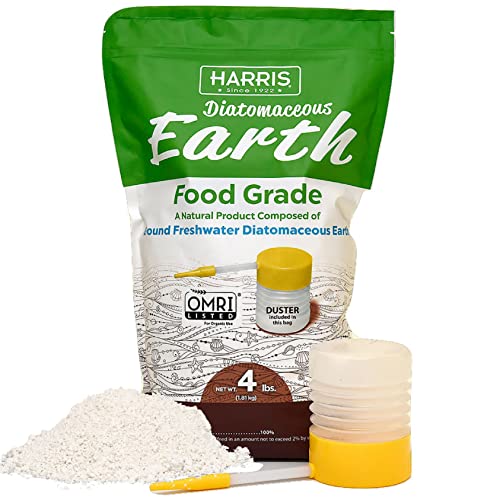
HARRIS Food-Grade Diatomaceous Earth
Use sparingly in the dust bath as extra help against mites and lice.
What Dust Bathing Is
Dust bathing is exactly what it sounds like: a chicken digs a shallow depression, then loosens dry dirt or fine material and works it down through its feathers to the skin, ruffling, rolling, and wriggling before standing up and shaking the whole cloud out. It is an instinctive grooming ritual that every chicken performs, and it is often a social affair, with several hens crowding into the same dusty hollow together. That communal flopping and rolling is a sign of a relaxed, content flock, not a problem.
Why It Is So Important
Dust bathing is central to a chicken's health, not just a quirky habit. As the fine particles sift through the plumage, they absorb excess preen oil and moisture, which keeps feathers from getting greasy and matted. Even more importantly, the dust helps smother and dislodge external parasites like mites and lice, making it a chicken's primary natural defense against the bugs that plague poultry. A bird that dust bathes regularly maintains cleaner, healthier feathers and skin and is far less likely to suffer a heavy parasite load.
What Goes in a Good Dust Bath
The ideal dust bath is loose, dry, and fine enough to coat feathers easily. You can keep it simple or blend a few ingredients:
- Dry soil or sand: the basic foundation, providing the fine grit chickens need.
- Wood ash: from untreated, clean wood only, this adds extra fine material many keepers swear by.
- Dried herbs: optional additions some keepers use for scent and skin support.
- Food-grade diatomaceous earth: a small amount can boost parasite control, used sparingly.
The non-negotiable rule is that everything stays dry. Damp material clumps, will not coat feathers, and can grow mold, so always keep the bath sheltered from rain.
Backyard Chicken Keepers Planner
Track your chicken's health, meds, vet visits, mobility, nutrition, and quality of life, all in one printable planner.
Do Your Chickens Need You to Provide One?
Chickens with access to dry, loose ground will happily dig their own dust baths and may need no help from you at all, often choosing a favorite spot under a bush or along a fence line. The trouble comes when conditions do not cooperate. If your soil stays wet, your yard is thick with grass, your climate is rainy, or your birds are confined to a run without a dry patch, they cannot dust bathe properly. In those cases, providing a dedicated dust bath is important so your flock can still perform this essential grooming.
How to Set Up a Dust Bath
Making a dust bath is easy. Choose a dry, sheltered location, then use a low tub, an old tire, a shallow wooden box, or simply a designated dry corner of a covered run. Fill it with your loose, fine blend, keep it under cover so it stays dry, and top it up as the birds inevitably fling material out the sides. Most chickens discover and adopt a well-placed dust bath almost immediately. A spot in a sunny, sheltered area is especially popular, since chickens love to combine dust bathing with sunbathing.
A Word on Diatomaceous Earth
Food-grade diatomaceous earth can be a useful addition for parasite control, but use it thoughtfully. It is a very fine powder that, when it becomes airborne, can irritate the respiratory systems of both chickens and humans, so mix only a small amount into the bath rather than dumping it in heavily, and limit your own exposure to the dust. Always use food-grade, never pool-grade, which is chemically treated and unsafe. And remember that a dust bath, with or without diatomaceous earth, complements but does not replace inspecting your birds and treating any active infestation. Give your flock a good dust bath and you support one of the simplest, most natural pillars of chicken health.
Editor's Pick · Affiliate link
An Automatic Coop Door, the Upgrade Keepers Regret Waiting On
Nearly every predator loss happens because a door was open at dusk or dawn. An automatic opener closes on a light sensor or timer whether or not you are home, which is the single biggest reduction in risk available to a small flock.
Frequently Asked Questions
What is dust bathing and why do chickens do it?
Dust bathing is when a chicken digs a shallow hollow and works loose, dry dirt or fine material through its feathers, then shakes it out. It is a natural, essential grooming behavior. The dust absorbs excess oils, helps smother and dislodge mites and lice, and keeps feathers and skin in good condition. Far from being dirty, a good dust bath is how chickens stay clean and parasite-free.
Is dust bathing normal behavior?
Yes, it is completely normal and healthy, an instinct every chicken has. You will often see several hens dust bathing together, flopping and rolling in a dusty spot, sometimes looking almost like they are unwell, which can alarm new keepers. Rest assured a relaxed bird wallowing and fluffing dust through its feathers is doing exactly what chickens are meant to do, and it is a sign of a content flock.
What should I put in a chicken dust bath?
A good dust bath blend is loose, dry, and fine. Common ingredients include dry soil or sand, wood ash from untreated wood, and sometimes a little food-grade diatomaceous earth or dried herbs. The goal is a fine, dusty texture that coats feathers easily. Avoid anything damp, and keep the bath under cover so it stays dry, since wet material does not work and can grow mold.
Do chickens need a dust bath if they free range?
Free-ranging chickens usually make their own dust baths in dry, loose dirt, so they often need no help. But if your ground stays wet, is covered in grass, or your birds are confined to a run, providing a dedicated dust bath is important. A simple tub or designated dry corner filled with suitable material ensures confined or wet-climate birds can still perform this essential grooming behavior.
Can dust bathing help with mites and lice?
Yes. Regular dust bathing is a chicken's primary natural defense against external parasites, helping to smother and dislodge mites and lice from feathers and skin. Some keepers add a little food-grade diatomaceous earth to the bath as extra parasite control. Dust bathing is not a complete substitute for inspecting birds and treating active infestations, but a good dust bath area meaningfully helps keep parasite numbers down.
Is diatomaceous earth safe in a dust bath?
Food-grade diatomaceous earth can be added in small amounts to a dust bath to help with parasites, but use it sparingly and with care. It is a fine powder that can irritate the respiratory systems of both birds and people if it becomes very dusty, so mix only a little into the bath rather than using it heavily. Always choose food-grade, never pool-grade, and keep your own dust exposure low.
How do I make a dust bath for my chickens?
Pick a dry, sheltered spot or use a low tub, old tire, or shallow container in a covered area of the run. Fill it with a loose, fine blend such as dry soil or sand, wood ash from untreated wood, and optionally a little dried herbs or food-grade diatomaceous earth. Keep it dry and top it up as the birds fling material out. Most chickens take to a well-placed dust bath right away.
Need more help with your flock?
Browse our guides by topic to find practical solutions.
Wellness Planner: $39