Chicken Pecking Order: How the Flock Hierarchy Works
What the chicken pecking order is, how chickens establish it, where the rooster fits, and how to tell normal flock behavior from bullying you should address.
If you have watched your flock for any length of time, you have seen the pecking order in action: one hen who always eats first, another who scurries out of the way, and the small daily dramas of who gets the best roost. The phrase pecking order comes straight from chicken behavior, and understanding it is one of the most useful things a keeper can do. It explains why your birds act the way they do, reassures you that most squabbling is normal, and helps you spot the rare cases that need your attention.
Tools to Ease Flock Tension
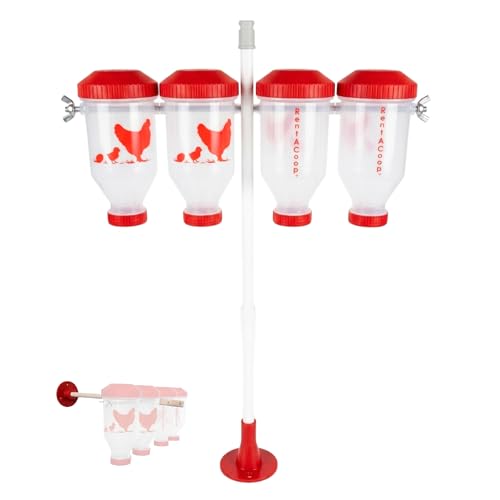
RentACoop Chicken Treat Dispenser, Enrichment Feeder
Spreads out feeding and occupies birds, easing competition and pecking order stress.

KIEYYRYT Chicken Coop Toys and Swing Set
Pecking toys and swings give the flock an outlet and reduce boredom-driven aggression.

Dr. Naylor Antiseptic Wound Spray for Poultry
Blue-tinted spray treats and hides minor pecking wounds to deter further pecking.
What the Pecking Order Is
The pecking order is the social ranking that every flock develops, lining up the birds from most to least dominant. Far from being random bullying, it is an organized system that determines who gets first access to the good things in chicken life: the choicest food, the prime spot at the waterer, the highest roost, and the best dust-bathing hollow. Once the order is settled, the flock is actually calmer, because every bird knows its place and disputes become brief reminders rather than constant battles. This is nature's way of keeping a group of birds functioning smoothly.
How Chickens Sort It Out
Chickens establish rank through a language of posture and minor confrontation. A dominant bird puffs up, raises the hackle feathers around its neck, stands tall, and may chase or deliver a sharp peck. A submissive bird lowers its head, steps aside, or moves away. Most disputes are settled by posturing alone, without real fighting. The order begins forming when birds are still young and continues to be refined as they mature. Crucially, it is not fixed for life: any change to the flock triggers a fresh round of negotiation.
Where the Rooster Fits
In a flock that includes a rooster, he usually occupies the top position. A good rooster leads the hens to food, keeps watch for predators, sounds alarms, and even breaks up squabbles among his hens. Beneath him, the hens arrange themselves into their own ranked order. In an all-hen flock, which is what many backyard keepers have since hens lay perfectly well without a rooster, a dominant hen steps into the leadership role. Sometimes that top hen even takes on rooster-like behaviors such as standing guard. Either way, the flock organizes around a clear leader.
Backyard Chicken Keepers Planner
Track your chicken's health, meds, vet visits, mobility, nutrition, and quality of life, all in one printable planner.
Normal Behavior vs. Real Problems
The most valuable skill is telling routine pecking apart from genuine trouble. Normal pecking-order behavior includes occasional pecks, brief chases, posturing at the feeder, and squabbles that flare up and die down quickly, especially after any change to the flock. None of this requires intervention. Watch instead for these warning signs that cross into harmful bullying:
- Blood: any bleeding is serious, because the sight of blood triggers frenzied pecking from the whole flock.
- Relentless cornering: a bird that is constantly chased and never allowed to rest or escape.
- Resource blocking: a chicken kept away from food or water by dominant birds.
- Feather picking: persistent plucking that creates bald or raw patches, which then become targets.
When you see these, act promptly: isolate and treat injured birds, since wounds invite more pecking, and address the underlying cause.
Reducing Excessive Aggression
Almost all excessive pecking traces back to crowding, boredom, or competition, so the fixes center on space and resources. Make sure your flock is not overcrowded, since cramped quarters are the single biggest driver of bullying. Provide multiple feeders and waterers so dominant birds cannot guard them all, and add perches, clutter, and hiding spots that let lower-ranking birds break line of sight and get away. Enrichment such as dust baths, hanging treats, and pecking toys gives the flock an outlet and channels energy away from picking on one another.
A Changing, Living System
Remember that the pecking order is never truly finished. It shifts whenever you add or remove birds, when a young hen matures, when a sick bird recovers, or when a broody hen rejoins the flock after raising chicks. Each change brings a temporary spell of renewed squabbling as the hierarchy re-settles, and that is normal. By understanding the pecking order, giving your flock room and resources, and watching for the few signs of true bullying, you can let your chickens manage their own social world while keeping every bird safe and well fed.
Editor's Pick · Affiliate link
An Automatic Coop Door, the Upgrade Keepers Regret Waiting On
Nearly every predator loss happens because a door was open at dusk or dawn. An automatic opener closes on a light sensor or timer whether or not you are home, which is the single biggest reduction in risk available to a small flock.
Frequently Asked Questions
What is the pecking order in chickens?
The pecking order is the social hierarchy that ranks every bird in a flock from most to least dominant. Higher-ranking chickens get first access to food, water, the best roosting spots, and dust-bathing areas, and they enforce their status through pecks, posturing, and chasing. It is a normal, natural system that keeps the flock organized and reduces constant fighting once everyone knows their place.
Is the pecking order normal or a problem?
It is completely normal and healthy. Establishing a pecking order is how chickens create stability, and a flock with a settled order is calmer than one in flux. Routine pecking, chasing, and squabbling are part of the system. It only becomes a problem when aggression draws blood, when a bird is relentlessly bullied and kept from food or water, or when serious feather picking or injury results.
How do chickens establish the pecking order?
Chickens sort out rank through displays and minor scuffles: puffing up, raising hackle feathers, posturing, chasing, and delivering pecks. Most disputes are settled with posturing rather than real fighting. The order forms as chicks grow and is renegotiated whenever birds are added or removed, which is why introducing new chickens always triggers a fresh round of squabbling until the new hierarchy settles.
Where does the rooster fit in the pecking order?
When a flock has a rooster, he typically sits at the top, leading the hens, watching for danger, and breaking up disputes among them. The hens then form their own ranked order beneath him. In an all-hen flock, a dominant hen takes the lead role and may even take on some rooster-like behaviors. Either way, the flock organizes itself around a clear leader.
How can I reduce pecking order aggression?
Give the flock enough space and resources so lower-ranking birds can avoid bullies and still eat. Provide multiple feeders and waterers so dominant birds cannot guard them all, add perches and hiding spots to break line of sight, and avoid overcrowding, which is the biggest driver of excessive pecking. Enrichment like dust baths and pecking toys also relieves tension and redirects energy.
When does pecking become bullying I should worry about?
Step in when you see blood, when one bird is constantly cornered and cannot escape, when a chicken is being kept from food and water, or when feather picking turns bald or bloody patches into a target. The sight of blood triggers more pecking, so isolate and treat injured birds promptly. Persistent severe aggression usually traces back to crowding, boredom, or a resource shortage.
Does the pecking order change over time?
Yes. The pecking order is dynamic and shifts whenever the flock changes. Adding new birds, removing a hen, a bird becoming ill, or a young bird maturing can all trigger renegotiation. A broody hen leaving the flock and returning, or a sick bird recovering, may have to re-establish her rank. These periodic adjustments are normal, though they may bring a temporary uptick in squabbling.
Need more help with your flock?
Browse our guides by topic to find practical solutions.
Wellness Planner: $39