Chicken Body Language: How to Read Your Flock
Learn to read chicken body language, from happy foraging and sunbathing to raised hackles, submissive squats, and the signs of a sick or frightened bird.
Chickens cannot tell you in words how they feel, but they are constantly communicating through posture, movement, and behavior. Learning to read chicken body language is one of the most rewarding skills a keeper can develop. It lets you tell a happy, healthy flock from a stressed one, spot a sick bird before it gets seriously ill, understand the dramas of the pecking order, and build a genuine bond with your birds. This guide decodes the body language your chickens use every day.
For a Content, Engaged Flock

KIEYYRYT Chicken Coop Toys and Swing Set
Enrichment that brings out the active, busy body language of happy birds.
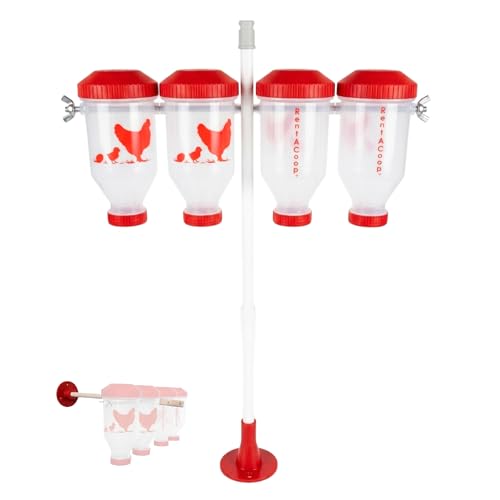
RentACoop Chicken Treat Dispenser, Enrichment Feeder
Encourages natural foraging, a key sign of a relaxed, healthy flock.

Reliant Pet Natural Chicken Dust Bath Mix
Supports the dust bathing and sunbathing that show a comfortable, content bird.
What a Happy Chicken Looks Like
Start by learning the picture of contentment, because once you know what normal looks like, problems jump out at you. A happy chicken is a busy one. Throughout the day a relaxed bird forages and scratches at the ground, takes leisurely dust baths, preens its feathers, and sunbathes. It moves freely, has bright clear eyes and clean, well-kept feathers, and rests comfortably among its flockmates. The flock keeps up a soft, conversational clucking as it goes about its business. A flock that is spread out, active, and quietly chattering is the very definition of a healthy, relaxed one.
Reading Pecking Order Signals
Much of chicken body language revolves around the pecking order, the flock's social hierarchy. Dominance and submission are written all over their posture. A dominant or aggressive bird stands tall, puffs up, and raises its hackle feathers, the feathers around the neck, to look bigger and warn off a rival. A submissive bird does the opposite: it makes itself small, lowers its head, crouches, and steps or moves away. You will also see the submissive squat, where a hen crouches low with wings held slightly out, a posture of readiness toward a rooster or even toward a keeper she regards as dominant. Recognizing these signals lets you follow the social dynamics and tell normal posturing from real conflict.
The Alarming-But-Normal Behaviors
Some perfectly healthy chicken behaviors look frightening to new keepers. The most famous is sunbathing: a chicken flopped on its side with one wing stretched out, feathers fluffed, eyes half closed, and utterly motionless. It looks like the bird has dropped dead, but it is simply soaking up warmth and maintaining its feathers, often combined with a dust bath. Dust bathing itself, with hens digging, rolling, and flinging dirt while flopping around, can also look like a fit. In both cases, a relaxed bird will perk right up and move normally when you approach. Knowing these are signs of comfort, not distress, saves a lot of unnecessary panic.
Backyard Chicken Keepers Planner
Track your chicken's health, meds, vet visits, mobility, nutrition, and quality of life, all in one printable planner.
Spotting a Sick or Stressed Bird
Chickens instinctively hide illness, a survival trait that masks weakness from predators, so subtle body language is often your earliest warning that something is wrong. Watch for these red flags:
- Hunched, fluffed-up posture: a bird standing puffed and tucked in, especially when others are active, often feels unwell.
- Lethargy and isolation: standing apart from the flock, reluctant to move, or dozing with droopy or closed eyes.
- Pale or shrunken comb: a healthy comb is full and bright; a dull, pale, or shriveled one can signal illness.
- Loss of appetite and ignoring food and treats that would normally excite the flock.
- Labored breathing or drooping wings: serious signs that warrant prompt attention.
Because birds hide sickness so well, any chicken that looks withdrawn, puffed up, and inactive deserves a closer look, and persistent symptoms warrant a call to a poultry or avian vet or your local extension office.
Fear, Alarm, and Building Trust
Chickens also broadcast fear clearly. A frightened bird crouches low, freezes, or bolts for cover, often while giving sharp alarm calls, and the whole flock may flatten and go still when a hawk passes overhead. These responses are useful to you, since chickens usually detect danger before you do and announce it through both posture and sound. Finally, do not overlook the positive side: chickens are intelligent enough to recognize individual people, and a bird that approaches eagerly, follows you, or relaxes when held is showing trust. By paying attention to the full range of chicken body language, from the contented sprawl of a sunbather to the puffed misery of a sick hen, you become a far more attuned keeper and a better friend to your flock.
Editor's Pick · Affiliate link
An Automatic Coop Door, the Upgrade Keepers Regret Waiting On
Nearly every predator loss happens because a door was open at dusk or dawn. An automatic opener closes on a light sensor or timer whether or not you are home, which is the single biggest reduction in risk available to a small flock.
Frequently Asked Questions
How can I tell if a chicken is happy?
A content chicken is active and busy: foraging, scratching, dust bathing, preening, sunbathing with feathers spread, and making soft conversational clucks. Happy hens move freely, have bright eyes and clean feathers, and rest comfortably. A flock spread out and engaged in normal activities is a relaxed, healthy one. The everyday sounds and easy movement of a busy flock are the clearest signs that all is well.
What are signs a chicken is sick or in distress?
Warning signs include a hunched posture with fluffed feathers, lethargy, standing apart from the flock, closed or droopy eyes, a pale or shrunken comb, loss of appetite, and reluctance to move. Labored breathing, drooping wings, or unusual stillness are also red flags. Because chickens instinctively hide illness, any bird that looks withdrawn or puffed up and inactive deserves a closer look and, if it persists, a call to a poultry vet.
Why do chickens raise their hackle feathers?
Raised hackle feathers, the feathers around the neck, signal aggression or alarm. A bird puffing up its hackles is making itself look bigger to assert dominance or warn off a rival, often as part of a pecking order dispute or a confrontation. A rooster may raise his hackles when challenging a perceived threat. It is a clear visual cue that a bird feels defensive or is about to posture or fight.
What does it mean when a chicken submits?
A submissive chicken makes itself small and unthreatening: it crouches low, lowers its head, steps aside, or moves away from a dominant bird. A hen may also do a submissive squat, crouching with wings slightly out, which is a mating-readiness posture toward a rooster or even toward a keeper she sees as dominant. These postures are how lower-ranking birds avoid conflict and acknowledge their place in the pecking order.
Why does my chicken lie down and spread out in the sun?
That alarming sprawl, with one wing stretched out, feathers fluffed, and the bird flopped on its side, is usually sunbathing, a normal and healthy behavior. Chickens sunbathe to absorb warmth and help maintain feather and skin condition, and they often combine it with dust bathing. A new keeper may fear the bird is dead or ill, but a relaxed, sunbathing chicken will perk up and move normally when approached.
How do chickens show fear or alarm?
Frightened chickens crouch low, freeze, or run for cover, often while giving sharp alarm calls. When a hawk passes overhead, birds may flatten themselves and go still or dash under shelter. A startled flock scatters and squawks. Watching for these fear responses helps you notice predators or stressors quickly, since the birds usually detect danger before you do and broadcast it through both posture and sound.
Can chickens recognize and bond with their keeper?
Yes. Chickens are intelligent and can recognize individual people, often greeting a familiar keeper, following them around, and approaching for treats or attention. Some birds enjoy being held and will relax in your company. Reading body language, an eager approach versus a wary retreat, helps you understand each bird's personality and comfort level, and gentle, consistent handling builds trust between you and your flock over time.
Need more help with your flock?
Browse our guides by topic to find practical solutions.
Wellness Planner: $39